





Exploring Kid Scissors by OEM Manufacturer
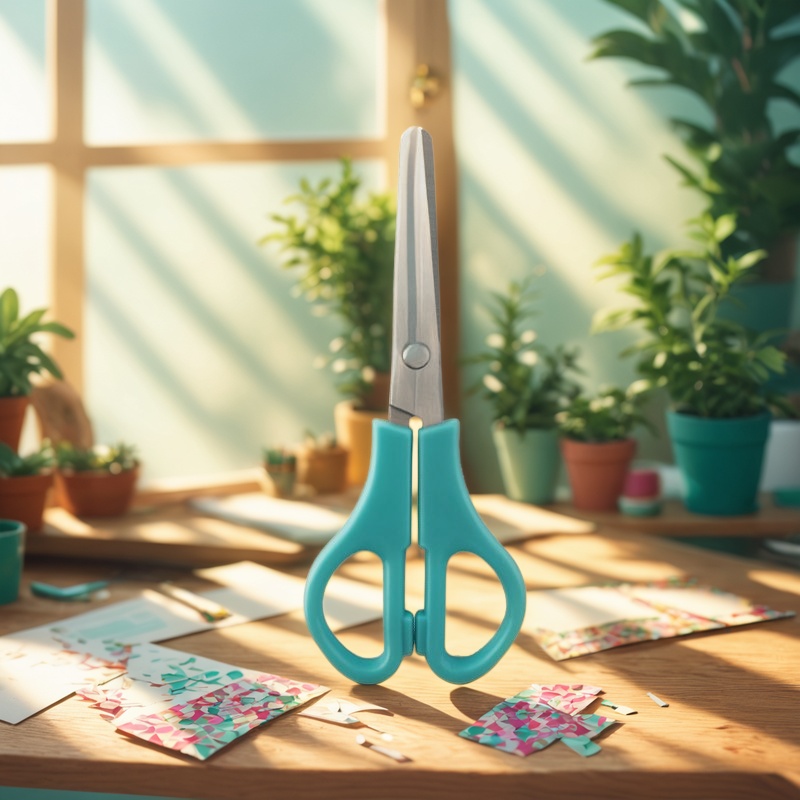
Kid scissors look simple, but for schools, stationery brands, importers, and promotional product buyers, they require careful sourcing decisions. A pair of scissors for children must balance cutting performance, comfort, visibility, and practical safety features. The original product information highlights kid scissors with rounded tips, ergonomic handles, a turquoise style, and stainless steel construction. Those details make this category relevant for classroom use, craft projects, and home learning activities.
For B2B buyers, the key question is not only whether the scissors look attractive, but whether the supplier can consistently deliver a product that fits your market, packaging needs, and end-user expectations. This guide explains how to evaluate kid scissors, student scissors, and school craft scissors when working with an OEM scissors manufacturer or wholesale supplier.
Key Takeaways
- Kid scissors should be evaluated for tip shape, handle comfort, blade material, and age-appropriate use.
- Student scissors and school craft scissors may need different levels of cutting performance depending on the intended classroom or craft application.
- For OEM sourcing, ask clear questions about samples, customization options, packaging, quality checks, and applicable market requirements.
- Do not rely only on product photos; request physical samples and verify performance with the materials your customers commonly cut.
What Makes Kid Scissors Different?
Kid scissors are designed for children who are still developing coordination and hand strength. Compared with general household scissors, they usually place more emphasis on controlled cutting, easy grip, and safer handling. The original product description specifically mentions rounded tips, ergonomic handles, turquoise coloring, and stainless steel blades. These are useful features to consider when selecting a children’s scissors product line.
Rounded tips can reduce the chance of accidental poking during everyday classroom or home craft use. Ergonomic handles help children hold the scissors more naturally, which can make cutting practice less frustrating. A bright color such as turquoise also has practical value: scissors are easier to spot on a desk, in a craft box, or among shared classroom supplies.
However, buyers should avoid assuming that every child-friendly design is suitable for every age group. Before placing an OEM or wholesale order, confirm the intended age range, blade sharpness, handle size, and suitable cutting materials with the supplier.
Kid Scissors, Student Scissors, and School Craft Scissors Compared
The terms “kid scissors,” “student scissors,” and “school craft scissors” often overlap, but they may describe different use cases. A preschool craft kit, a primary school stationery set, and a middle-school project supply pack may all need different specifications.
| Product type | Typical use | Features to check | Buyer questions |
|---|---|---|---|
| Kid scissors | Basic paper cutting, early craft activities, home learning | Rounded tips, comfortable handles, manageable size | What age range is the design intended for? |
| Student scissors | School projects, homework, classroom stationery kits | Grip comfort, cutting consistency, durability for repeated use | What materials can samples cut reliably? |
| School craft scissors | Art class, paper shapes, simple DIY projects | Control, blade alignment, ease of use for different hand sizes | Can the design be packaged for classroom or retail programs? |
| OEM private-label scissors | Brand programs, wholesale distribution, promotional stationery | Color, logo, packaging, labeling, sample approval process | Which customization details can be confirmed before production? |
Safety and Usability Factors to Review
For children’s scissors, safety and usability should be reviewed together. A product that is too dull may be frustrating and cause children to use excessive force. A product that is too sharp or poorly sized may not fit the intended user group. Buyers should request samples and test them in realistic conditions instead of relying on descriptions alone.
Useful evaluation points include:
- Tip design: Confirm whether the scissors have rounded tips and whether that design fits your customer’s age group.
- Handle shape: Check whether the ergonomic handle is comfortable for small hands and whether it supports left- or right-hand use if that matters for your market.
- Blade material: The original article states stainless steel, but buyers should ask the supplier to confirm the exact material details and finish for the final production order.
- Cutting performance: Test paper, lightweight craft materials, and any other materials listed in your product plan.
- Edge consistency: Look for clean cutting without excessive tearing or sticking.
- Classroom handling: Consider how easy the scissors are to identify, store, clean, and distribute in sets.
OEM Customization Questions for Buyers
When sourcing from an OEM scissors manufacturer, customization can include color, handle style, logo placement, packaging, barcode labeling, instruction inserts, or assortment planning. The original product highlights a turquoise style, which may suit a modern stationery or children’s craft range. If you need another color or a branded presentation, discuss feasibility early.
Important questions to ask a supplier include:
- Can you provide pre-production samples for approval?
- Which handle colors are available, and can custom colors be matched?
- What logo or branding methods are available for the product or packaging?
- What packaging formats can be supported, such as blister cards, paper cards, bulk packs, or classroom sets?
- What are the order requirements, lead times, and sample timelines?
- What inspection steps are used before shipment?
- Which documents or compliance information can be provided for the destination market?
These questions help prevent misunderstandings before production begins. They also make it easier to compare suppliers on more than unit price.
How to Evaluate Samples Before Ordering
A sample review should be structured. Give the same cutting tasks to each supplier’s sample so you can compare results fairly. For school and craft channels, test the scissors with common classroom materials such as paper, thin card, and lightweight craft sheets if those are relevant to your product description. Avoid advertising cutting abilities that have not been confirmed.
During sample testing, inspect the blade alignment, opening and closing action, handle comfort, and overall finish. Check whether the scissors feel stable in the hand and whether children or adult reviewers can use them without strain. If the product is intended for school distribution, consider storage and identification as well. A bright turquoise handle may be useful where teachers need to quickly count and collect shared supplies.
Packaging and Retail Presentation Considerations
Packaging matters for both safety and sales readiness. For retail stationery, the package should clearly present the product while protecting the scissors during shipping and shelf handling. For school supply programs, bulk or classroom packaging may be more efficient. For an OEM project, buyers should confirm artwork requirements, label placement, carton markings, and any market-specific warning language with the supplier.
Because compliance expectations vary by country and sales channel, buyers should not assume that a generic product is ready for every market. Ask what documentation is available and confirm any testing or labeling requirements with your own compliance team, importer, or retailer before finalizing an order.
Choosing a Reliable Scissors Supplier
A reliable OEM scissors supplier should communicate clearly, provide consistent samples, and answer technical and commercial questions directly. Look for a supplier that can explain the differences between kid scissors, student scissors, and school craft scissors without overclaiming. Clear product information is especially important when the end users are children.
When comparing suppliers, consider responsiveness, sample quality, packaging support, production communication, and willingness to clarify details in writing. If a supplier cannot confirm material, finish, packaging, or inspection procedures, treat that as a risk to resolve before placing a larger order.
Practical FAQ
What are kid scissors usually used for?
They are commonly used for paper cutting, beginner crafts, school activities, and home learning tasks. The exact use should match the product’s size, blade design, and intended age range.
Are rounded tips important?
Rounded tips are a common child-friendly feature because they can reduce poking risk during normal use. Buyers should still confirm whether the design is appropriate for their target users and market requirements.
Can student scissors cut fabric?
The original article mentions paper, fabric, and lightweight materials, but buyers should test actual samples before making product claims. Cutting performance depends on blade design, sharpness, and material thickness.
What should I ask before ordering OEM scissors?
Ask about samples, customization options, packaging, order requirements, lead time, inspection steps, and available documentation for your destination market.
Is turquoise a good color for school scissors?
Turquoise can be practical because it is easy to see among classroom supplies. Color choice should also match your brand, assortment plan, and customer preference.
