




Pepper Jar Manufacturing: Quality, Customization and Sourcing
Pepper jars and spice grinders look simple on a kitchen shelf, but their performance depends on a chain of design, material and assembly decisions. For retailers, importers, promotional product buyers and kitchenware brands, understanding pepper jar manufacturing helps reduce sourcing risk and improve the final user experience. A good pepper jar should be easy to fill, comfortable to hold, consistent in output and suitable for the style of kitchen or hospitality setting where it will be used.
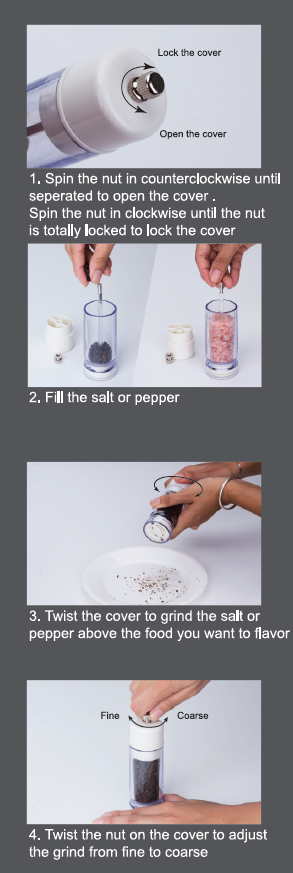
The original product description highlights several useful features commonly considered in this category: a transparent acrylic body, a durable ceramic grinding mechanism, adjustable grinding coarseness, ergonomic handling and easy refilling. These details are a good starting point, but B2B buyers should still verify specifications directly with a supplier before placing an order, especially for custom designs or private-label projects.
How Pepper Jar Manufacturing Works
Pepper jar manufacturing generally begins with product design: size, body shape, refill opening, cap structure, grinder placement and overall appearance. The goal is to create a container that protects spices while allowing controlled dispensing or grinding. Once the design is confirmed, the main parts are produced, inspected and assembled. These parts may include the jar body, top or handle, adjustment nut, grinding mechanism and any decorative or branding components.
Small differences in assembly can affect daily use. If the grinder is misaligned, the output may feel uneven. If the refill opening is too narrow, users may spill peppercorns. If the body is difficult to grip, the product becomes less suitable for busy kitchens. For wholesale and OEM projects, buyers should review physical samples rather than relying only on photos or drawings.
Materials and Grinder Mechanisms to Review
The source article specifically mentions an acrylic transparent body and a ceramic grinding mechanism. A transparent body can help users check the spice level at a glance, which is practical for home kitchens, restaurants and display sets. Acrylic can also support clear visual presentation, but buyers should ask about thickness, clarity, scratch resistance and care instructions instead of assuming all acrylic parts perform the same.
A ceramic grinder is often valued because it is hard and does not rust like some metal components can. However, buyers should still ask what spices the mechanism is intended for. Pepper, salt and mixed spices may place different demands on the grinder. If the product will be marketed for multiple seasonings, confirm this use case with the supplier and request guidance on suitable spice types.
Customization Options for Private Label Projects
Custom pepper jars can be developed for gift sets, retail kitchenware lines, restaurant supply programs or branded promotional items. Customization may involve size, color, material combination, surface decoration, engraving, packaging and brand marks. The original article refers to personalized sizes, materials and engraved text, which are common areas to discuss with a manufacturer.
Before requesting a custom design, prepare a clear brief. Include the target user, price position, retail channel, preferred look, packaging needs and any restrictions for your market. If you need a transparent section, adjustable grinding nut or easy-fill structure, list these as required features. If they are optional, rank them by importance so the supplier can propose practical alternatives.
- Confirm whether customization applies to the jar body, grinder top, packaging or all components.
- Ask which decoration methods are suitable for the selected material.
- Request a pre-production sample before approving bulk production.
- Clarify whether tooling, artwork setup or packaging development creates extra cost.
- Check how replacement parts, spare samples or after-sales issues are handled.
B2B Supplier Checklist for Pepper Jar Sourcing
For sourcing teams, the best pepper jar supplier is not only the one with an attractive sample. The supplier should be able to explain product structure, quality control, packaging protection and customization limits. Use the following checklist when comparing factories, trading companies or OEM partners.
| Checkpoint | Why It Matters | Questions to Ask |
|---|---|---|
| Material confirmation | Prevents mismatch between sample expectations and bulk goods. | What materials are used for the body, grinder and top components? |
| Grinding adjustment | Users may want fine powder for sauces or coarse particles for stews. | How is coarseness adjusted, and can the adjustment nut be tested on samples? |
| Refill design | Easy refilling reduces mess and improves repeat use. | What is the refill opening size and how is the jar opened? |
| Ergonomics | Grip and turning comfort affect both home and professional use. | Can the handle or top shape be modified for the target market? |
| Packaging | Transparent bodies and grinder parts need protection during transport. | What packaging is recommended for wholesale shipping and retail display? |
| Quality inspection | Consistent assembly reduces complaints and returns. | What checks are performed before shipment, and can inspection criteria be shared? |
Quality Details That Affect Everyday Use
Quality in pepper jar manufacturing is visible in small details. The grinder should turn smoothly without feeling loose. The adjustment system should offer a clear change between fine and coarse output. The transparent body should allow easy viewing of remaining spices. The cap or top should fit securely, and the overall product should stand steadily on a counter or table.
Buyers should also think about cleaning and care. Ask whether the jar is intended for dry spices only, whether any parts should avoid soaking, and how the grinder should be maintained. If the product will be sold to consumers, include simple use-and-care instructions in the packaging or product page. Clear instructions can reduce misuse and improve customer satisfaction.
Sampling and Order Preparation
Sampling is especially important for custom pepper jars. A photo cannot show how much effort is needed to twist the grinder, whether the output is even, or whether the refill method is convenient. Test the sample with the actual peppercorns or spices you expect customers to use. If you are comparing several suppliers, use the same test method for each sample.
- Request standard samples first to understand existing product quality.
- Confirm the exact customization scope and artwork requirements.
- Review a custom sample before mass production.
- Agree on packaging, labeling and inspection standards in writing.
- Keep an approved sample for comparison during final inspection.
Key Takeaways
Pepper jar manufacturing combines material selection, grinder performance, ergonomic design and assembly consistency. Features such as an acrylic transparent body, ceramic grinding mechanism, adjustable coarseness and easy refilling can be valuable, but they should be verified through samples and supplier documentation. For wholesale, OEM or private-label sourcing, the strongest approach is to define your target market, test real samples and ask practical questions about customization, packaging and inspection.
FAQ
What should buyers check first when sourcing pepper jars?
Start with the grinder mechanism, body material, refill method and overall comfort in use. These factors have the biggest impact on customer satisfaction.
Can pepper jars be customized for branding?
Many pepper jar projects can include customized size, material choice, engraving, color or packaging, but the available options depend on the supplier and product structure. Ask for samples and artwork guidelines.
Is a ceramic grinder suitable for all spices?
A ceramic grinder is commonly used for pepper and is valued because it does not rust. Still, buyers should confirm the intended spice range with the supplier before marketing it for salt or mixed spices.
Why is a transparent body useful?
A transparent body lets users see the remaining spice level without opening the jar. This is helpful in home kitchens, restaurants and retail display sets.
What information should be confirmed before bulk production?
Confirm materials, dimensions, customization details, packaging, sample approval process, inspection standards and any market-specific requirements. Do not assume these details are fixed unless they are written in the order documents.
