




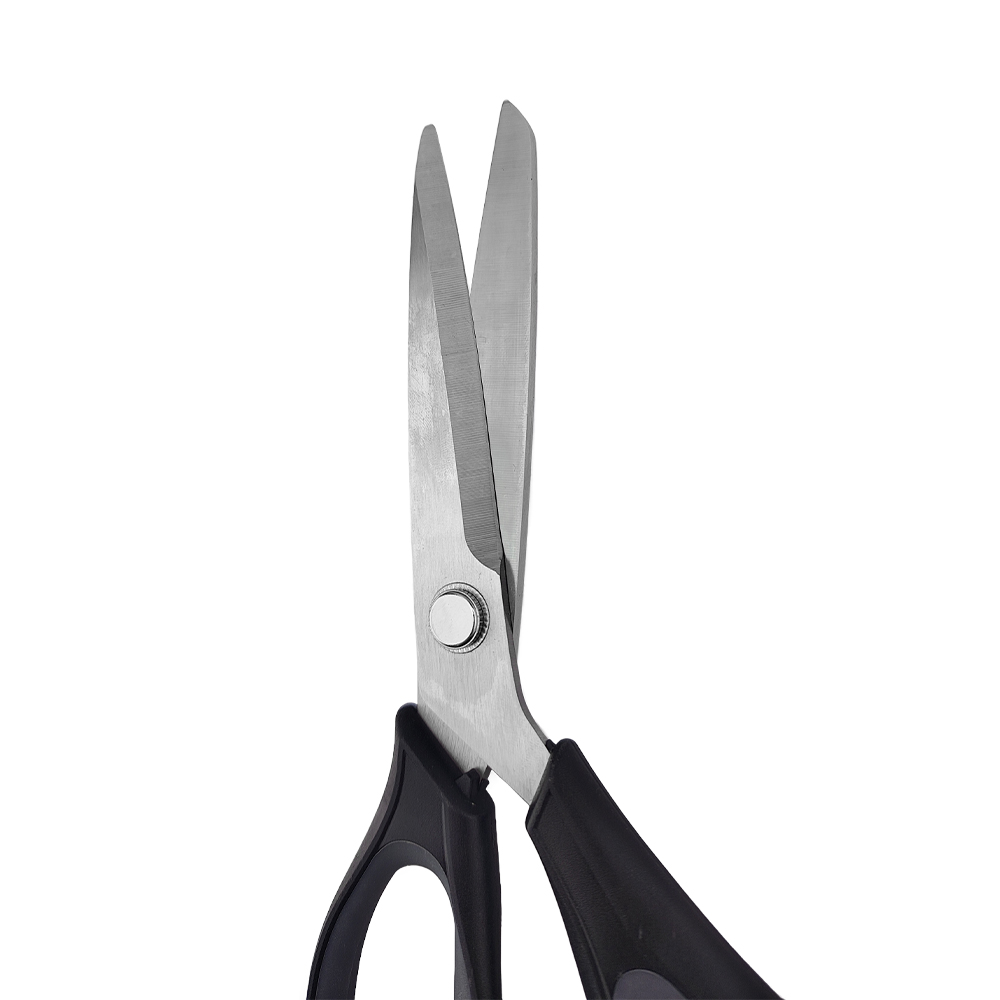
Exploring Superior OEM Tailor Scissors for Experts
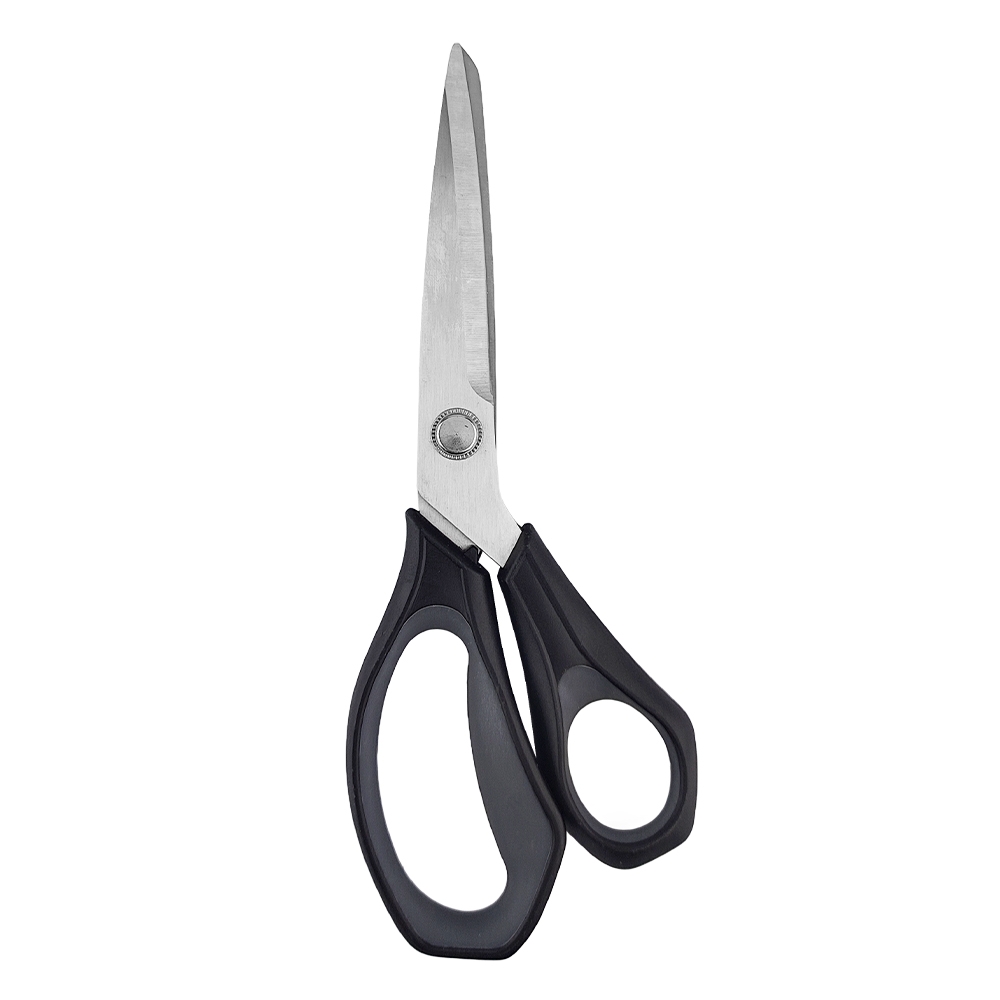
OEM tailor scissors are a practical sourcing category for sewing tool brands, fabric retailers, garment workshops, promotional buyers, and wholesale distributors. Unlike general household scissors, tailor scissors are expected to cut fabric cleanly, stay comfortable during repeated use, and support consistent quality across bulk orders. For buyers comparing factories or manufacturers, the real question is not only whether a sample looks good, but whether the supplier can repeat that quality order after order.
The original product information highlights several useful points: stainless steel blades, clean cutting for fabrics and materials, ergonomic handles, smooth cutting action, a matte black finish, and a design aimed at sewing, garment making, crafting, and workshop use. These are relevant benefits, but a professional buyer should still verify details such as steel type, hardness, coating durability, packing method, quality control process, and customization limits before confirming an OEM project.
Key Takeaways
- OEM tailor scissors should be evaluated by cutting performance, comfort, consistency, and supplier reliability.
- Useful stated features include stainless steel blades, ergonomic handles, smooth action, and a matte black finish.
- Buyers should ask factories for material details, sample approval steps, inspection standards, packaging options, and lead time.
- Do not rely only on appearance; test scissors on the fabrics your customers actually use.
What Makes OEM Tailor Scissors Different?
OEM sourcing means the buyer may request branding, packaging, finish, handle color, or other project-specific details, depending on what the supplier can support. In tailor scissors, however, customization should not compromise the basics: blade alignment, pivot movement, edge sharpness, handle stability, and safe packaging. A pair of scissors with attractive branding but weak cutting performance will create returns, complaints, and damage to the buyer's brand.
For professional users, clean cutting matters because fabric edges can fray, shift, or distort if the tool drags. The original article describes razor-sharp stainless steel blades and clean, precise cuts through fabrics and materials. When reviewing samples, buyers should confirm how the scissors perform on cotton, denim, felt, lining fabric, canvas, or other materials relevant to their market. A supplier can provide general claims, but your own cutting trial is the better purchasing evidence.
Important Features to Evaluate Before Bulk Purchase
Tailor scissors combine several functional parts. Each part affects the user's experience and the product's perceived value. A structured checklist helps avoid decisions based only on photos or a low unit price.
| Evaluation Point | What to Check | Questions to Ask the Supplier |
|---|---|---|
| Blade material | The source states stainless steel blades; confirm exact material details. | What stainless steel type is used, and can it be documented? |
| Cutting action | Open and close the scissors repeatedly; the movement should feel smooth, not loose or stiff. | How is pivot tension checked during production? |
| Handle comfort | The source notes ergonomic handles; test grip comfort during longer cutting sessions. | Can handle shape, color, or material be customized? |
| Finish | The product is described with a matte black finish; check for scratches, uneven coating, or fading. | What finish options are available, and how is coating quality inspected? |
| Packaging | Confirm protection for blades, retail presentation, barcode needs, and carton strength. | Can you provide packaging dielines or samples before mass production? |
How to Work With a Tailor Scissors Factory
A professional tailor scissors factory should be able to explain its production process clearly. Buyers do not need to know every technical detail, but they should understand how samples are made, how changes are confirmed, and how mass production is inspected. If the factory avoids basic questions about materials, tolerances, inspection steps, or packaging, that is a warning sign.
Start with a written product brief. Include target users, blade length preference if known, handle style, finish, logo placement, retail or bulk packing, expected order quantity, and destination market. If your brand has specific labeling or compliance requirements, state them early and ask the supplier what information they can provide. Do not assume that a factory automatically meets every market requirement unless it supplies relevant documents or test information.
- Request existing product photos, dimensions, and available customization options.
- Order samples and test them on real fabrics used by your customers.
- Confirm artwork, packaging, labeling, and carton marks in writing.
- Ask for pre-production samples when customization is involved.
- Define inspection criteria before shipment, including appearance, cutting test, and packing check.
Why Yangjiang Is Often Considered for Scissors Sourcing
The original article mentions YANGJIANG tailor scissors and refers to the area as a production hub. For buyers, the value of sourcing from an established manufacturing region is access to industry experience, related suppliers, and product development familiarity. However, location alone is not a guarantee of quality. A buyer still needs to review each supplier's samples, communication, production control, and after-sales response.
When comparing Yangjiang tailor scissors suppliers, focus on evidence rather than broad claims. Ask whether the supplier has produced similar tailor scissors before, what customization is practical, how defects are handled, and whether spare samples from recent production can be shown. If a supplier can only provide generic product claims but cannot answer project-specific questions, proceed carefully.
Sample Testing for Wholesale Sewing Scissors
Sample testing should be simple but consistent. Use the same fabric pieces for every supplier so results are comparable. Test straight cuts, curved cuts, tip precision, and repeated opening and closing. Look for fabric pulling, uneven cutting, blade gaps, handle discomfort, loose screws, or surface flaws. If the scissors are intended for retail, also check whether the packaging protects the blade and communicates the product clearly.
It is also useful to test several samples from the same supplier, not just one perfect unit. Bulk buyers need consistency. A single good sample may not represent regular production. Ask whether mass production will use the same materials and finish as the approved sample, and keep one signed or labeled approval sample for reference.
OEM Branding and Packaging Considerations
OEM tailor scissors are often purchased for brand lines, retail shelves, online stores, sewing kits, or distributor catalogs. Branding can include logo printing, handle color choices, hang cards, blister packaging, paper sleeves, labels, or carton customization, depending on supplier capability. Before requesting complex packaging, consider your sales channel. E-commerce shipments may require stronger protection, while retail shelves may need clear product information and a hanging option.
Buyers should ask for packaging dimensions, carton quantity, gross weight, and artwork requirements before final quotation. If your market requires warnings, recycling marks, barcode placement, or importer information, provide the details before production. Missing label information can delay shipments or create extra rework costs.
Practical FAQ
What should I ask an OEM tailor scissors supplier first?
Ask about blade material, available sizes, handle options, finish options, logo methods, packaging choices, sample cost, sample time, production lead time, and inspection process. Also ask what information can be verified with documents or samples.
Are stainless steel blades always the best choice?
The source states stainless steel blades, which can be useful for corrosion resistance and general durability. However, buyers should still ask for the specific steel type, hardness target if available, and expected cutting performance for the intended fabric range.
How can I judge ergonomic handle quality?
Hold the scissors for repeated cutting, not just a quick grip test. Check whether the handle edges press into the hand, whether finger space is suitable, and whether the scissors remain stable during long use.
Can I place a wholesale order based only on photos?
It is not recommended. Photos can show design and finish, but they cannot prove cutting feel, pivot smoothness, blade alignment, or packaging strength. Samples and clear inspection standards reduce risk.
What defects should buyers watch for?
Common concerns include dull cutting, blade gaps, uneven finish, loose pivot screws, uncomfortable handles, scratched surfaces, poor logo placement, and weak packaging. List acceptable and unacceptable defects before production.
Final Sourcing Advice
Superior OEM tailor scissors are the result of practical design, stable materials, careful assembly, and clear buyer-supplier communication. The stated features of this product, including stainless steel blades, ergonomic handles, matte black finish, and smooth action, are useful starting points for evaluation. For serious wholesale or OEM sourcing, buyers should move from general descriptions to measurable checks: sample testing, written specifications, packaging approval, and shipment inspection. That process helps protect both product quality and brand reputation.
