




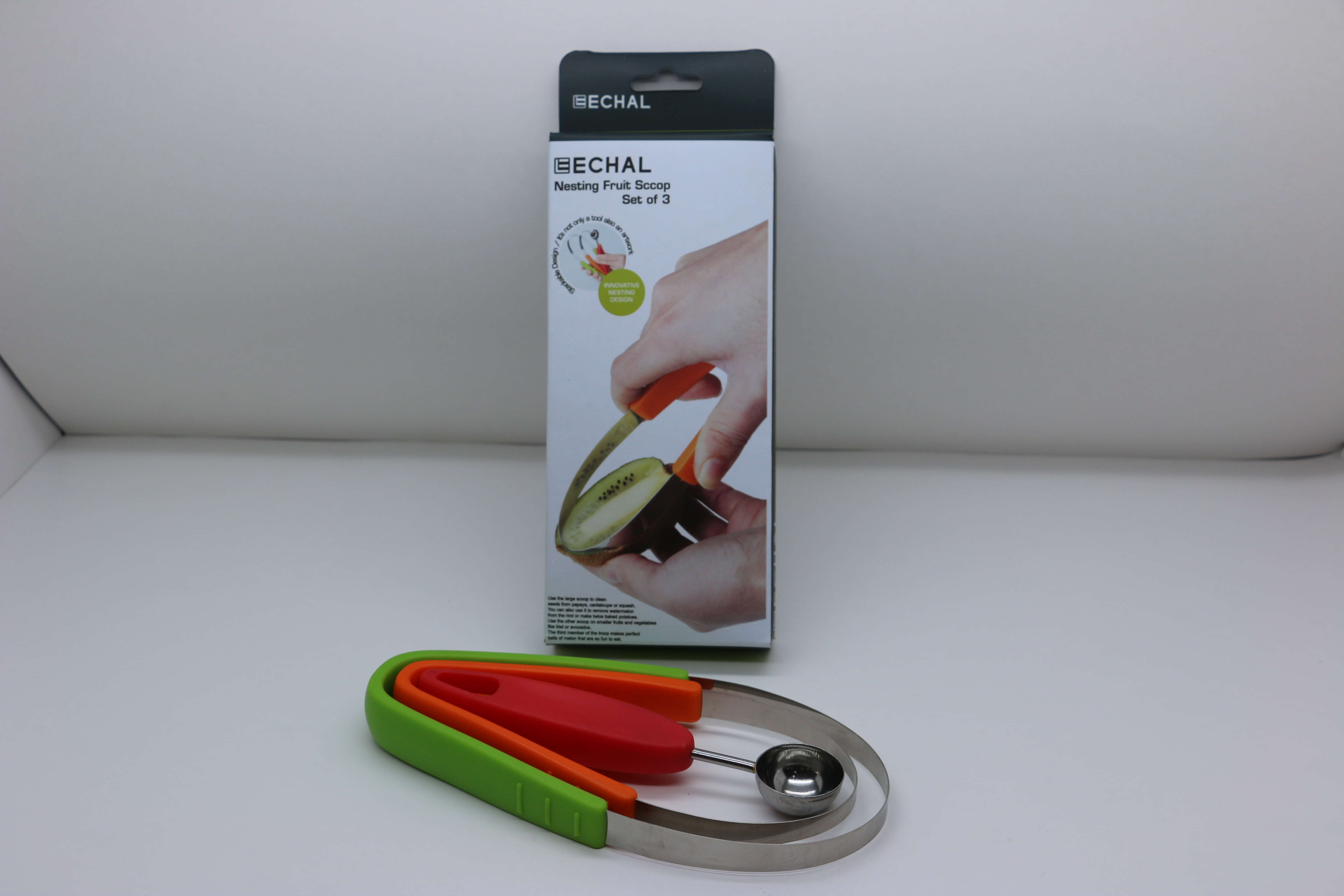
Exploring the Nesting Fruit Scoop Factory
For retailers, distributors, and private-label buyers, a nesting fruit scoop or compact fruit slicer is more than a small kitchen accessory. It is a product that must be easy to use, simple to store, consistent in quality, and suitable for everyday food preparation. The original concept behind Bonet Houseware’s Superfood Scissor Set highlights several buyer-relevant details: stainless steel loop blades, a lightweight ergonomic grip, magnetic nesting, and a pastel color palette including lilac, baby blue, and grey. This guide explains how to evaluate a nesting fruit scoop factory or supplier without relying on vague claims, so sourcing teams can ask better questions before placing an order.
Key Takeaways
- Focus on confirmed product details, sample testing, and supplier transparency rather than broad marketing language.
- For nesting kitchen tools, check blade finish, grip comfort, nesting strength, packaging protection, and cleaning instructions.
- Ask suppliers clear questions about materials, customization options, quality control, order terms, and documentation.
- Do not assume certifications, capacity, MOQ, or material grade unless the supplier provides written evidence.
What a Nesting Fruit Scoop or Slicer Is Designed to Do
A nesting fruit scoop or loop-style slicer is intended to help users cut, scoop, or portion fruits and vegetables with better control than a loose knife in certain tasks. Depending on the exact design, it may be used for soft fruit, garnishes, salads, meal-prep ingredients, or decorative slicing. The value for consumers is usually convenience: a compact tool that is easy to find in the drawer and comfortable to hold.
The original article refers to a Superfood Scissor Set with multi-colored nesting slicers and stainless steel loop blades. Those details suggest a product positioned for organized kitchen storage and quick food-prep tasks. For B2B buyers, the important point is not only how the tool looks in a product photo, but whether the design performs consistently across production batches.
Design Features Buyers Should Verify
Small kitchen tools are often purchased on appearance, but repeat sales depend on practical performance. When reviewing samples from a nesting fruit scoop factory, check the physical product in realistic use conditions. A comfortable grip, smooth edges, stable nesting, and predictable cutting action can make the difference between a useful utensil and a return-prone item.
- Blade or loop edge: Inspect whether the stainless steel loop is smooth, evenly formed, and suitable for the intended food-prep task.
- Handle comfort: Test the grip with different hand sizes and both dry and slightly wet hands.
- Magnetic nesting: Confirm that the magnets hold the pieces together securely during storage, without making removal difficult.
- Color consistency: If ordering pastel colors such as lilac, baby blue, and grey, ask how color matching is controlled between batches.
- Cleaning practicality: Look for gaps, sharp transitions, or hard-to-clean corners that may frustrate end users.
Comparison Checklist for Supplier Evaluation
The table below can help procurement teams compare samples from multiple factories or trading suppliers. It avoids assumptions about certification or performance and focuses on points that can be checked, photographed, and documented during sourcing.
| Evaluation Area | What to Check | Questions to Ask the Supplier |
|---|---|---|
| Material claim | Whether the loop blade is described as stainless steel and whether the handle material is identified | Can you provide the exact material specification and supporting documentation? |
| Nesting function | How securely the tools connect and separate during normal drawer storage | How is magnetic strength checked during production? |
| Edge finish | No burrs, rough welds, or uncomfortable contact points | What inspection steps are used for blade or loop finishing? |
| Ergonomics | Grip comfort, weight balance, and control during slicing or scooping | Can you provide samples for user handling tests before order confirmation? |
| Packaging | Protection against scratches, deformation, and color transfer during shipping | What packaging options are available for wholesale or private label? |
| Customization | Color, logo, packaging artwork, and set configuration possibilities | What are the MOQ, lead time, and setup requirements for OEM changes? |
Inside the Manufacturing Conversation
When a supplier describes a fruit scoop manufacturing process, buyers should translate that description into verifiable checkpoints. For example, if the product uses stainless steel loop blades, ask how the metal is formed, finished, and inspected. If the item uses an ergonomic handle, ask how the handle material is selected and how dimensional consistency is controlled. If magnetic nesting is a selling point, ask how magnets are positioned and secured.
It is also reasonable to ask whether the supplier is the actual manufacturer, a trading company, or a combined operation. None of these models is automatically good or bad, but they affect communication, customization control, and issue resolution. A factory may offer more direct engineering feedback, while a trading partner may coordinate multiple product categories. The key is clarity.
OEM and Wholesale Sourcing Questions
For private-label and wholesale kitchenware buyers, the best sourcing discussions are specific. Instead of asking whether a product is “high quality,” request measurable or reviewable information. Important questions include:
- What materials are used for the blade, handle, and magnetic nesting components?
- Are different colors available, and how are color samples approved before mass production?
- Can the supplier provide pre-production samples for approval?
- What packaging formats are available for retail display, e-commerce shipping, or bulk wholesale?
- What are the MOQ, production lead time, payment terms, and sample charges?
- What quality checks are performed before shipment, and can inspection photos or reports be shared?
- Are any compliance documents available for the target sales market, if required?
These questions help prevent misunderstandings. They also make it easier to compare quotes fairly, because a lower unit price may not include the same packaging, customization, inspection, or documentation.
Product Selection Guidance for Retail Assortments
A nesting fruit scoop set can fit several retail strategies: compact kitchen gadgets, meal-prep accessories, giftable cooking tools, or colorful drawer organizers. Before adding it to a catalog, buyers should define the target customer and use case. A consumer who wants a quick snack-prep tool may care most about comfort and easy cleaning. A gift buyer may respond more to color coordination and packaging. An e-commerce buyer may be more sensitive to product photos, dimensions, and clear usage instructions.
Because the original product concept includes pastel colors and magnetic nesting, it may appeal to customers who value organized storage. However, a listing should still explain the practical function clearly. Avoid promising professional results unless testing supports that claim. Instead, show the product being used with suitable fruits or vegetables and provide honest care guidance.
Quality Control Before Shipment
Quality control for small kitchen tools should cover both appearance and function. Buyers can request a sampling plan or arrange third-party inspection when appropriate. At minimum, inspection should consider surface finish, handle defects, color variation, magnet placement, nesting alignment, packaging condition, and carton labeling. If the product will be sold online, check that each set looks consistent enough for customer reviews and product photography.
It is also wise to test samples after repeated use and cleaning. Even a simple in-house test can reveal whether the tool remains comfortable, whether the nesting feature still works, and whether visible wear appears too quickly. Document the results and share clear feedback with the supplier before mass production.
Practical FAQ
Is a nesting fruit scoop the same as a fruit baller?
Not always. Some tools are designed for scooping, while loop-style slicers may be intended for cutting or portioning. Confirm the exact function with product samples and usage instructions.
What details should be confirmed before an OEM order?
Confirm materials, colors, logo placement, packaging artwork, sample approval process, MOQ, lead time, inspection method, and any documents needed for the target market.
Can buyers assume the stainless steel grade?
No. The original information mentions stainless steel loop blades, but not a specific grade. Ask the supplier for the exact material specification in writing.
Why does magnetic nesting matter?
Magnetic nesting can help keep a set organized in a drawer, but it should be tested for holding strength, ease of separation, and durability during normal use.
How should retailers present this type of product?
Use clear photos, accurate dimensions, practical use examples, and care instructions. Avoid unsupported claims and focus on convenience, organization, and everyday food preparation.
Final Sourcing Advice
A nesting fruit scoop factory should be evaluated through samples, documentation, and clear communication. The most useful product details from the original concept are the stainless steel loop blades, ergonomic lightweight grip, magnetic nesting, and pastel color options. For serious B2B sourcing, those features should become inspection points rather than slogans. By asking specific questions and testing real samples, buyers can choose a kitchen tool that is attractive, practical, and better prepared for wholesale or private-label distribution.
