




Exploring Versatility: Multi-Functional Kitchen Shears
Multi-functional kitchen shears are designed for more than trimming herbs or opening food packaging. A well-designed pair can support everyday food preparation, light household cutting, and some crafting tasks when used appropriately. For retailers, distributors, and OEM buyers, the same product also raises sourcing questions: blade material, handle comfort, pivot construction, packaging options, and how consistently a supplier can maintain quality from batch to batch.
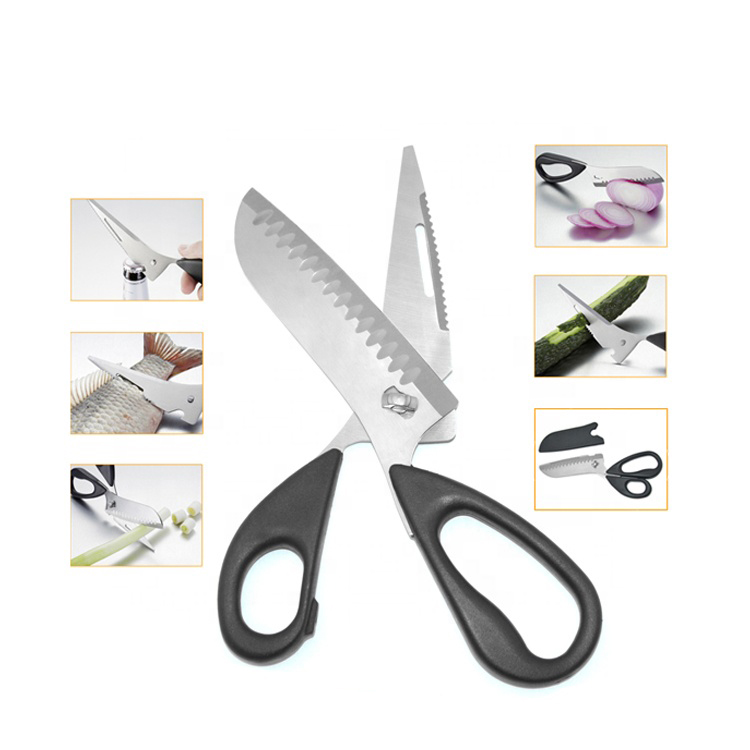
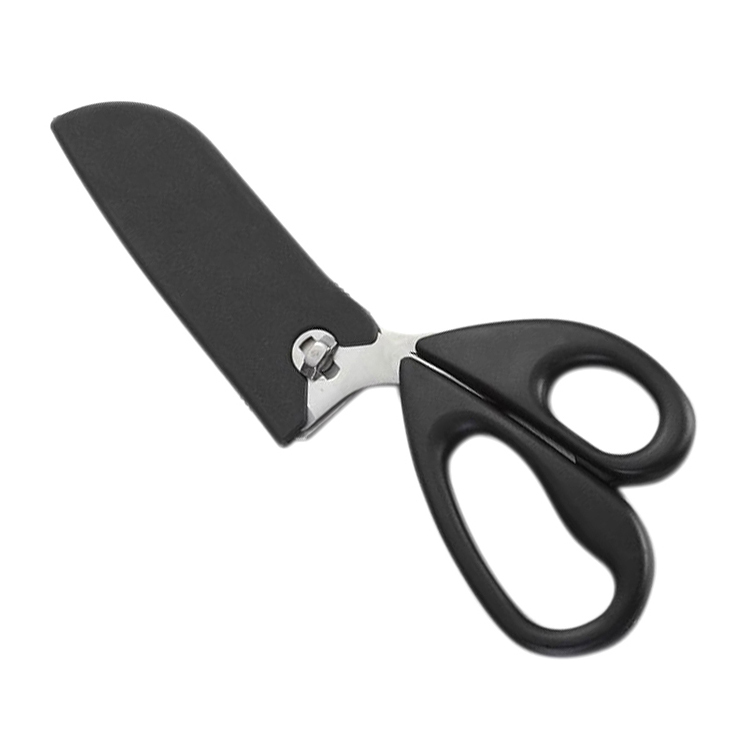
The original product description highlights a sleek black design, an ergonomic handle intended for comfortable grip, stainless-steel blades, and a discreet screw pivot for tension adjustment. Those are useful starting points, but buyers should still evaluate how the shears perform in the specific channel or kitchen environment where they will be sold or used.
Key Takeaways
- Multi-functional kitchen shears should be assessed by task fit, not only appearance.
- Stainless-steel blades are a useful feature, but buyers should ask suppliers for grade, hardness, and care guidance before placing bulk orders.
- An ergonomic handle can improve comfort, especially for repetitive cutting, but it should be tested with different hand sizes.
- A screw pivot can support tension adjustment, yet long-term stability should be checked through sample testing.
- OEM and wholesale buyers should confirm packaging, branding, inspection standards, and documentation directly with the supplier.
What Makes Kitchen Shears Multi-Functional?
A standard pair of scissors is usually designed for paper, fabric, or general light cutting. Kitchen shears, by contrast, must handle food-related tasks and frequent cleaning. Multi-functional shears go a step further by aiming to serve several daily needs: cutting herbs, trimming food packaging, portioning soft ingredients, snipping parchment, or assisting with light household preparation.
The value is convenience. Instead of reaching for a knife and cutting board for every small task, a user can make quick cuts directly over a bowl, pan, or plate. However, multi-functional does not mean unlimited. Shears should not be used on materials that exceed their design, such as hard bones, metal wire, or frozen blocks, unless the supplier specifically states that the product is built for those applications.
Blade Material and Cutting Performance
The source article states that the shears use stainless-steel blades. Stainless steel is common for kitchen cutting tools because it can resist corrosion better than many untreated steels when properly cleaned and dried. For B2B buyers, this fact should prompt follow-up questions rather than assumptions. Ask the supplier what stainless-steel grade is used, whether the blades receive any heat treatment, and what cutting tests are performed before shipment.
Sharpness matters, but sharpness alone is not enough. A good pair of shears should open and close smoothly, meet cleanly along the cutting edge, and avoid twisting under normal pressure. Sample testing should include soft and firm items, packaging materials, and repeated cuts to observe whether hand fatigue or blade misalignment appears.
Handle Comfort and Ergonomic Design
The original description mentions an ergonomic handle suitable for comfortable, strain-free grip. In practice, handle comfort depends on shape, opening size, surface texture, and balance. A handle that feels comfortable for one user may feel tight or awkward for another, especially in a commercial kitchen or retail market where users have different hand sizes.
When reviewing samples, test the shears with both dry and slightly damp hands. Check whether the black handle surface feels stable, whether edges press into the fingers, and whether the opening allows natural movement. If the product is intended for high-volume retail or professional buyers, consider collecting feedback from several testers before confirming a final model.
Pivot Design and Tension Adjustment
The article notes a discreet screw pivot for precise tension adjustments. This is an important design detail because the pivot controls how the blades move against each other. If the pivot is too loose, the blades may separate and cut poorly. If it is too tight, the user may need extra force, increasing fatigue.
For consumer use, a stable pivot helps maintain consistent cutting. For OEM or wholesale sourcing, the buyer should ask whether the pivot is adjustable by the end user, whether adjustment tools are required, and how the supplier checks pivot tension during quality control. It is also worth asking how the pivot performs after washing, drying, and repeated use.
Comparison Checklist for Buyers
| Evaluation Area | What to Check | Questions to Ask a Supplier |
|---|---|---|
| Blade | Sharpness, alignment, stainless-steel finish | What steel grade is used and how is blade quality inspected? |
| Handle | Grip comfort, opening size, surface feel | Can handle material, color, or branding be customized? |
| Pivot | Smooth opening, tension stability, screw design | Is the pivot adjustable, and how is tension tested? |
| Use range | Kitchen prep, packaging, light household tasks | Which materials should users avoid cutting? |
| Packaging | Retail display, safety, instructions | What packaging options and labeling support are available? |
| Quality control | Consistency across samples and bulk goods | What inspection steps are used before shipment? |
OEM and Wholesale Sourcing Guidance
Because the source article describes an OEM kitchen shears manufacturer and China kitchen shears factories, sourcing teams should approach the product with a clear specification sheet. Do not rely only on photos or general claims such as durable, premium, or professional. A useful request for quotation should define target use, blade requirements, handle color, packaging format, logo placement, carton needs, and any market-specific labeling expectations.
Buyers should also ask for pre-production samples and compare them with shipment samples. If the shears will be sold under a private label, confirm who approves artwork, how color matching is handled, and whether instructions or care warnings can be included. Avoid assuming certifications, test results, or compliance status unless the supplier provides current documentation for the exact product and destination market.
Use and Care Tips for End Users
Even sturdy kitchen shears last longer when used within their intended range. After cutting food, wash the blades promptly, remove residue near the pivot, and dry the shears before storage. If the pivot is adjustable, avoid over-tightening it; smooth movement is usually better than excessive resistance.
- Use the shears for appropriate kitchen and light household tasks.
- Clean and dry after contact with moisture or acidic foods.
- Store closed in a drawer, rack, or protective packaging to protect the cutting edge.
- Keep away from children, as kitchen shears are sharp tools.
- Inspect the pivot and blade alignment if cutting performance changes.
Practical FAQ
Are multi-functional kitchen shears the same as ordinary scissors?
Not exactly. Kitchen shears are intended for food-preparation environments and are usually built with stronger blades and handles than basic paper scissors. Multi-functional models may also support packaging and light household cutting.
Can these shears be used for both kitchen and craft tasks?
The original article mentions use across culinary and crafting situations. For hygiene, it is better to separate food-use shears from craft-use shears, especially if adhesives, fabrics, or non-food materials are involved.
What should an OEM buyer confirm before ordering?
Confirm blade material details, handle material, pivot design, sample approval process, packaging, branding options, inspection criteria, and any documentation required for the target market.
Does a screw pivot mean the shears are better?
A screw pivot can be helpful because it may allow more precise tension control. Quality still depends on blade alignment, assembly consistency, and how well the pivot stays stable during use.
How should stainless-steel kitchen shears be maintained?
Clean them after use, dry them before storage, and avoid leaving them in wet conditions. Stainless steel can resist corrosion, but proper care is still important for long-term performance.
Final Buying Perspective
Multi-functional kitchen shears are useful when their design matches real cutting tasks. For consumers, the main priorities are comfort, clean cutting, safe storage, and easy care. For wholesale and OEM buyers, the priorities expand to repeatable quality, clear specifications, packaging support, and supplier transparency. The best sourcing decision starts with samples, practical testing, and detailed questions rather than broad product claims.
