




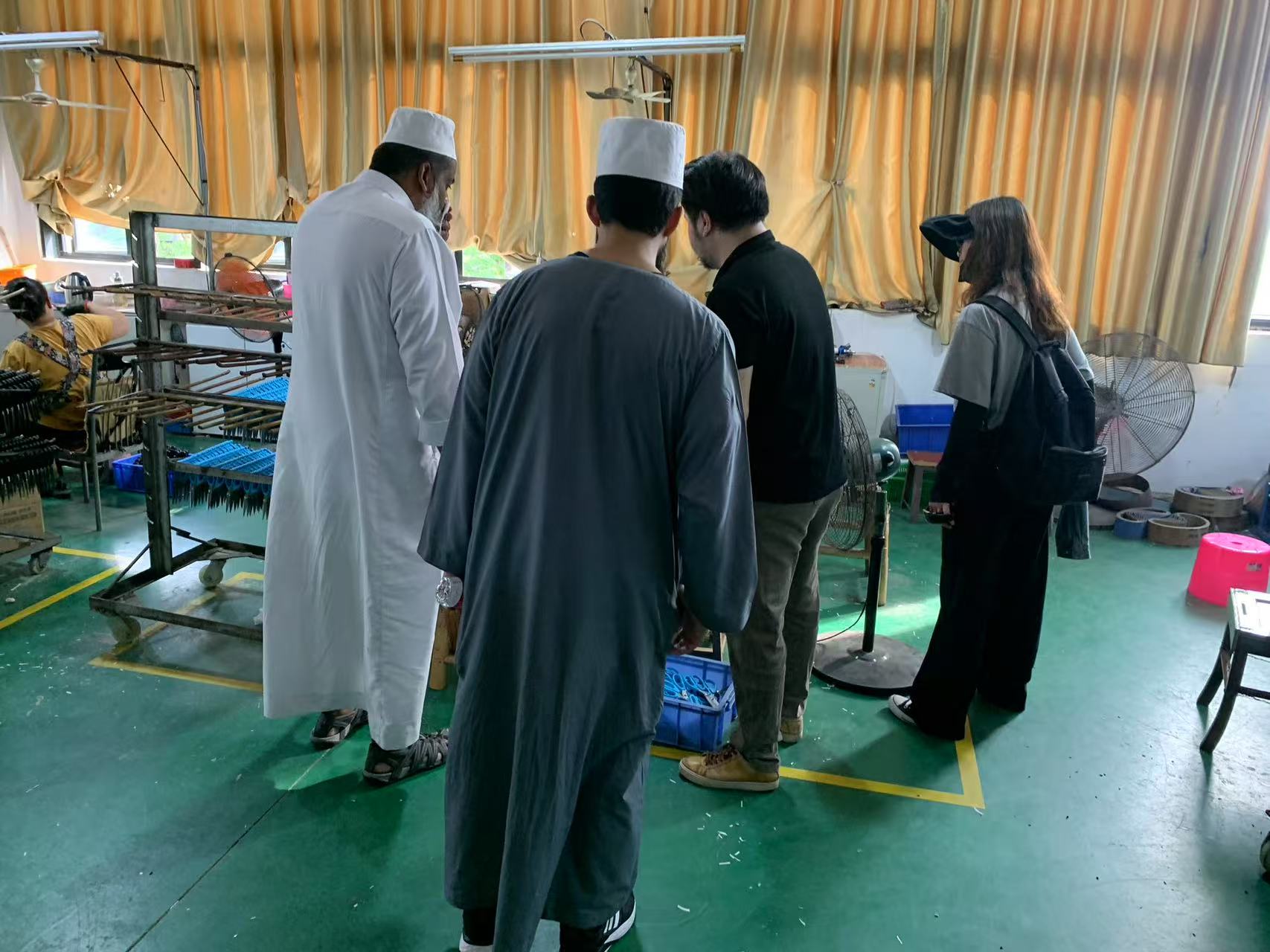
Factory Visits: Transparency and Innovation in Action
A factory visit is one of the most practical ways for B2B buyers to understand how a supplier really works. Catalogs, product photos, and emails can answer many questions, but they cannot fully show how materials move through a workshop, how teams communicate, or how quality issues are handled before shipment. A well-planned visit gives buyers a direct view of production discipline, operational transparency, and the supplier’s approach to continuous improvement.
For houseware sourcing, OEM projects, wholesale purchasing, or long-term supplier development, factory visits should not be treated as ceremonial tours. They are working audits. The goal is not simply to see machines in motion, but to learn whether the supplier’s processes, documentation, and team mindset match your purchasing needs.
Why Factory Visits Matter in B2B Sourcing
Factory visits build confidence because they replace assumptions with observation. A buyer can see whether the factory floor is organized, whether staff understand their responsibilities, and whether production steps are traceable. Even when a supplier presents strong samples, the visit helps determine whether that quality can be repeated across future orders.
The original value of a factory tour is transparency. Buyers can ask how raw materials are received, where semi-finished goods are stored, how inspection is arranged, and what happens when a defect is found. These answers help separate a capable manufacturing partner from a supplier that is strong only in presentation.
What to Prepare Before the Visit
A productive visit starts before arriving at the factory. Buyers should define the purpose of the trip and prepare questions that match the project stage. A first visit may focus on basic supplier qualification, while a later visit may focus on a new product, packaging update, or process improvement plan.
- Confirm the product categories and production lines you want to see.
- Ask whether photography or video is allowed in specific areas.
- Prepare a sample, drawing, specification sheet, or packaging requirement if relevant.
- List quality concerns from previous samples, quotes, or shipments.
- Plan time for both the factory walk-through and a meeting with sales, production, and quality teams.
If you are sourcing under a specific market requirement, do not assume compliance from a tour alone. Ask the supplier what documents, test reports, material declarations, or third-party audits are available and whether they apply to your exact product and destination market.
What to Observe on the Factory Floor
During a visit, pay attention to details that reveal management discipline. Cleanliness alone is not enough. A facility may look tidy but still lack control points or clear communication between departments. Watch how work orders are identified, how materials are separated, and whether operators follow visible instructions.
Useful observations include the flow from incoming materials to processing, assembly, inspection, packing, and storage. Look for signs that the team can prevent mix-ups, respond to nonconforming goods, and maintain consistency across batches. If live demonstrations are provided, use them to ask practical questions rather than simply watching the process.
Factory Visit Checklist for Buyers
The table below can be used as a simple comparison tool when visiting one supplier or several potential partners. It is not a substitute for a formal audit, but it helps structure discussions and record what was actually observed.
| Area to Check | What to Look For | Questions to Ask |
|---|---|---|
| Material handling | Clear storage areas, labels, separation of different materials or orders | How are incoming materials checked and recorded? |
| Production workflow | Logical movement between steps, visible work instructions, limited congestion | How is each order scheduled and tracked? |
| Quality control | Inspection points, defect records, sample approval references | What checks are done before packing and shipment? |
| Customization readiness | Ability to discuss drawings, packaging, colors, accessories, or labeling needs | What information is required to quote an OEM or wholesale project? |
| Communication | Sales, production, and quality staff can answer consistently | Who handles technical changes after order confirmation? |
| Improvement culture | Evidence of problem-solving, training, or process adjustments | How are recurring defects investigated and prevented? |
Transparency Without Overclaiming
A trustworthy supplier does not need to overstate its capabilities. During a factory visit, buyers should listen carefully to what is confirmed and what is uncertain. If a supplier claims a material grade, testing result, certification, production capacity, or lead time, ask for supporting documentation that relates to the product you plan to buy.
Transparency also means being honest about limitations. A supplier may be suitable for standard wholesale orders but not yet ready for complex OEM development. Another may have strong technical capability but require clearer communication procedures. The visit helps you identify these realities early, before tooling, packaging, or purchase commitments are made.
Innovation in Daily Manufacturing
Innovation in a factory is not only about new machinery. It can appear in practical improvements: better workflow design, clearer inspection records, improved packaging protection, reduced handling errors, or more efficient communication between teams. These small improvements often matter more to buyers than broad promotional statements.
When observing innovation, ask how changes are introduced and measured. For example, if a production area has been reorganized, what problem did that solve? If a quality checkpoint was added, what defect was it intended to prevent? If a new tool or fixture is used, does it improve consistency, speed, safety, or repeatability? Specific answers are more valuable than general claims.
How to Evaluate the Visit After You Leave
After the tour, document your findings while they are still fresh. Compare what you saw with the supplier’s quotation, samples, and written communication. If multiple team members attended, hold an internal review and agree on the key risks and follow-up questions.
- Record strengths, concerns, and unanswered questions.
- Request missing documents, photos, process details, or updated quotations.
- Clarify responsibilities for sampling, packaging approval, inspection, and shipment.
- Decide whether a trial order, third-party inspection, or further audit is needed.
- Keep written notes so future supplier comparisons are based on evidence.
The best factory visits lead to practical next steps. A buyer may decide to continue discussions, request sample revisions, negotiate quality checkpoints, or choose another supplier. Any of these outcomes can be valuable if the decision is based on direct observation.
Key Takeaways
- A factory visit gives buyers a real-world view of workflow, quality control, and communication.
- Preparation is essential; bring product requirements and focused questions.
- Do not rely on visual impressions alone. Ask for documentation where claims matter.
- Innovation should be evaluated through specific process improvements, not slogans.
- Clear post-visit follow-up helps turn observations into better sourcing decisions.
Practical FAQ
How long should a factory visit take?
For an initial supplier evaluation, plan enough time for a factory walk-through, product discussion, quality review, and commercial meeting. A rushed visit may miss important details about process control and communication.
Should buyers announce the visit in advance?
Most visits should be scheduled in advance so the right staff are available and safety rules can be followed. If an unannounced audit is required, discuss that separately as part of your sourcing policy.
What documents should I ask for during or after the visit?
Ask for documents relevant to your order, such as product specifications, sample approval records, inspection procedures, packaging details, and any applicable test reports or certificates. Confirm that each document applies to your exact product.
Can a factory visit replace third-party inspection?
Not usually. A visit helps evaluate supplier capability, while inspection checks actual goods against agreed requirements. For important orders, buyers may use both methods.
What is the most important sign of a reliable supplier?
Consistency between what the supplier says, what the factory shows, and what the documents support is a strong indicator. Clear answers, organized records, and realistic commitments are often more meaningful than polished presentations.
