




Finding a Reliable Stainless Steel Grater Supplier
For retailers, distributors, hospitality buyers, and kitchenware brands, choosing a stainless steel grater supplier is not only about finding a product that looks good in a catalog. A grater is a simple tool, but it is used with pressure, washed frequently, and often handled by different users in busy kitchens. Poor edge quality, weak handles, unclear packaging, or inconsistent batches can quickly lead to returns and customer complaints.
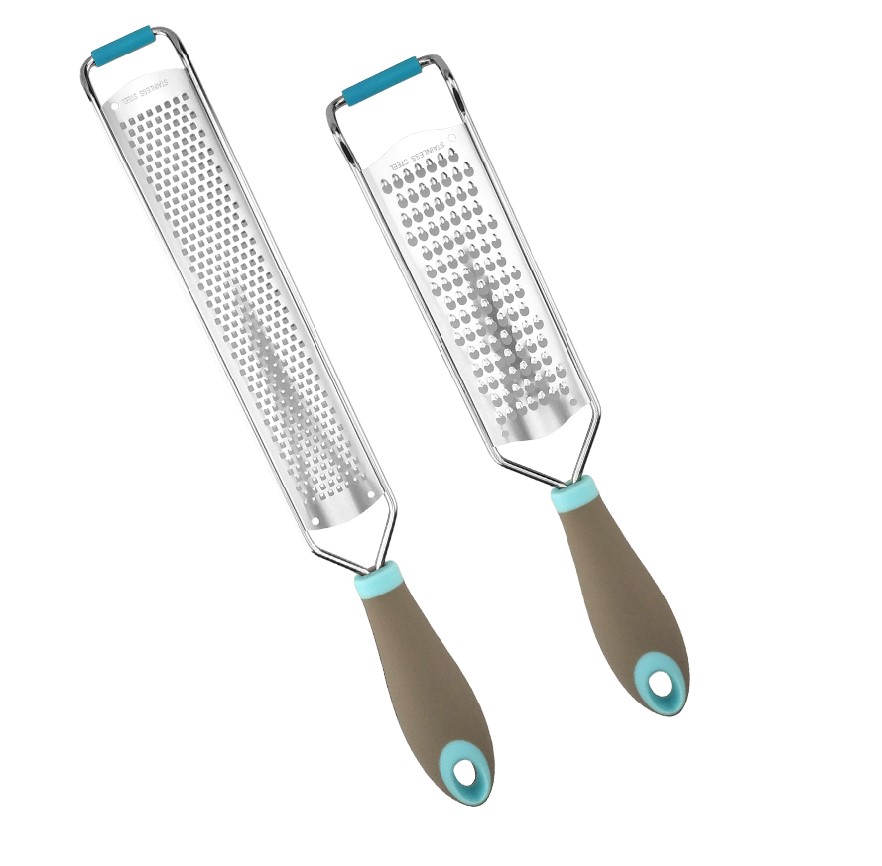
The original Bonet Houseware article highlights stainless steel graters with sharp blades, elongated working surfaces, non-slip rubber handles, hanging loops, and dishwasher-safe convenience. Those are useful product points to keep in mind. However, a professional sourcing decision should also look at supplier communication, inspection standards, packaging options, documentation, and after-sales handling. This guide explains how to evaluate a stainless steel grater supplier with practical B2B questions rather than relying on broad marketing claims.
Key Takeaways
- A reliable grater supplier should explain blade sharpness, handle construction, cleaning guidance, and packaging options clearly.
- Ask for samples before confirming a wholesale or OEM order, especially if you need private label packaging.
- Do not assume material grade, certification, capacity, or MOQ unless the supplier confirms it in writing.
- Compare several grater styles because cheese, citrus zest, vegetables, and spices may require different blade patterns.
- Inspection criteria should include edge consistency, handle grip, hanging loop strength, surface finish, and carton protection.
What Buyers Should Look for in a Stainless Steel Grater
A stainless steel grater must balance sharpness, comfort, stability, and ease of cleaning. The source article describes a range of five versatile graters with stainless steel blades for tasks such as grating cheese, zesting citrus, shredding vegetables, and grinding spices. That variety matters because one grater profile may not suit every food preparation task.
For wholesale purchasing, review the actual cutting surface instead of judging only by shape. Fine teeth are useful for citrus zest and hard cheese, while larger openings may work better for vegetables. An elongated design can provide more contact area, helping users process ingredients efficiently. A non-slip rubber handle may improve control, especially when hands are wet, while a hanging loop can support retail display and kitchen storage.
Dishwasher-safe positioning is also important for consumer convenience, but buyers should ask the supplier for care instructions and any limitations. Stainless steel can vary by grade and finish, so avoid assuming specific corrosion resistance unless the supplier provides confirmed material information.
Supplier Evaluation Checklist
| Evaluation Area | What to Check | Questions to Ask the Supplier |
|---|---|---|
| Product range | Different grater patterns for cheese, zest, vegetables, and spices | Which models are available, and can samples be provided for comparison? |
| Blade performance | Sharpness, tooth consistency, and smooth food release | How is blade quality inspected before shipment? |
| Handle design | Non-slip grip, comfort, joint strength, and safe handling | What materials are used for the handle, and how is grip durability checked? |
| Cleaning guidance | Dishwasher-safe claim, drying advice, and rust prevention guidance | What care instructions should appear on packaging or manuals? |
| Packaging | Retail display, barcode placement, carton strength, and protection | Can the supplier support neutral, branded, or OEM packaging? |
| Commercial terms | MOQ, lead time, payment terms, and reorder process | What are the confirmed terms for this exact model and order quantity? |
Why Product Consistency Matters for Wholesale Orders
In retail and food-service supply, one good sample is not enough. Buyers need consistency across the full shipment and future reorders. A grater with uneven teeth may feel rough, catch food badly, or require too much force. A handle that looks acceptable in a photo may become uncomfortable during repeated use. A hanging loop that is too thin may not hold up well in store display or kitchen storage.
Before placing a larger order, request multiple samples from the same production batch if possible. Test them with common foods such as hard cheese, citrus peel, carrots, ginger, or chocolate, depending on your target market. Check whether the grater feels stable, whether the handle stays secure, and whether food particles are easy to rinse away. If your business sells to professional kitchens, pay extra attention to cleaning speed and safe handling.
OEM and Private Label Questions to Ask
If you are sourcing for a brand, marketplace store, or promotional channel, OEM details should be confirmed early. Do not assume logo printing, custom packaging, color changes, or bundled sets are available without written confirmation. A supplier may offer different customization options depending on the grater model, order size, tooling needs, and packaging format.
- Can the supplier provide a pre-production sample with the requested packaging?
- What file formats are required for logo, label, or instruction artwork?
- Are there extra costs for custom packaging, inserts, barcode labels, or carton marks?
- What product care text should be included to avoid misuse or unrealistic expectations?
- How are approved samples recorded so later production matches the agreed version?
For compliance, testing, or market-entry requirements, ask the supplier what documents are available for the exact product you plan to buy. Avoid making claims on your retail listing until those documents are reviewed by your team or qualified adviser.
How to Compare Stainless Steel Grater Suppliers
A dependable stainless steel grater supplier should answer detailed questions, not only send a price list. Fast quotes are useful, but the lowest unit cost may not be the best value if the product has weak packaging, inconsistent finish, or unclear after-sales support. Compare suppliers using the same inquiry sheet so you can judge them fairly.
Include model photos, size expectations, packaging needs, destination market, forecast quantity, and required delivery window in your inquiry. Ask each supplier to confirm whether the quoted product is a stock item or requires custom production. Also ask how they handle defective items, shipment shortages, and product updates. Clear communication at this stage reduces disputes later.
If you plan to build a long-term kitchenware assortment, consider whether the supplier can offer related tools in a consistent style. The original article mentions a set of five grater options, which can be useful for buyers who want a coordinated range rather than a single item. Still, each item should be assessed on its own performance and commercial terms.
Use and Care Points to Communicate to Customers
Good sourcing includes good end-user guidance. Even when a grater is described as dishwasher safe, customers should understand basic care. Rinsing soon after use helps prevent food from drying into the teeth. Users should avoid scraping the blade with hard objects that may damage the cutting surface. After washing, drying the grater before storage can help maintain appearance.
Safety communication is also important. Sharp stainless steel blades are useful because they reduce effort, but they require careful handling. Packaging or instructions should remind users to keep fingers away from the cutting area and store the grater safely. Clear guidance can reduce misuse and improve customer satisfaction.
Practical FAQ for Stainless Steel Grater Sourcing
What should I request before placing a wholesale order?
Request physical samples, confirmed product specifications, packaging details, commercial terms, lead time, and any available documents for the exact model you plan to buy.
Is every stainless steel grater suitable for cheese, citrus, vegetables, and spices?
No. Different blade patterns suit different foods. Ask for model recommendations and test samples with the ingredients most relevant to your customers.
Can I claim a specific stainless steel grade or certification?
Only if the supplier provides reliable documentation for that exact product. Do not add unverified material or compliance claims to listings or packaging.
Are non-slip rubber handles important?
They can improve grip and comfort, especially during repetitive use. Check how the handle is attached and whether it feels secure during testing.
How can I reduce risk with a new supplier?
Start with samples, confirm a golden sample if needed, define inspection points, review packaging, and keep written records of agreed specifications before mass production.
Final Sourcing Advice
A reliable stainless steel grater supplier should help you understand both the product and the purchasing process. Look beyond broad claims of quality and focus on verifiable details: blade consistency, handle comfort, cleaning guidance, packaging protection, and order communication. When those basics are handled well, a stainless steel grater can become a practical, repeatable item in a kitchenware range for both home and professional users.
