




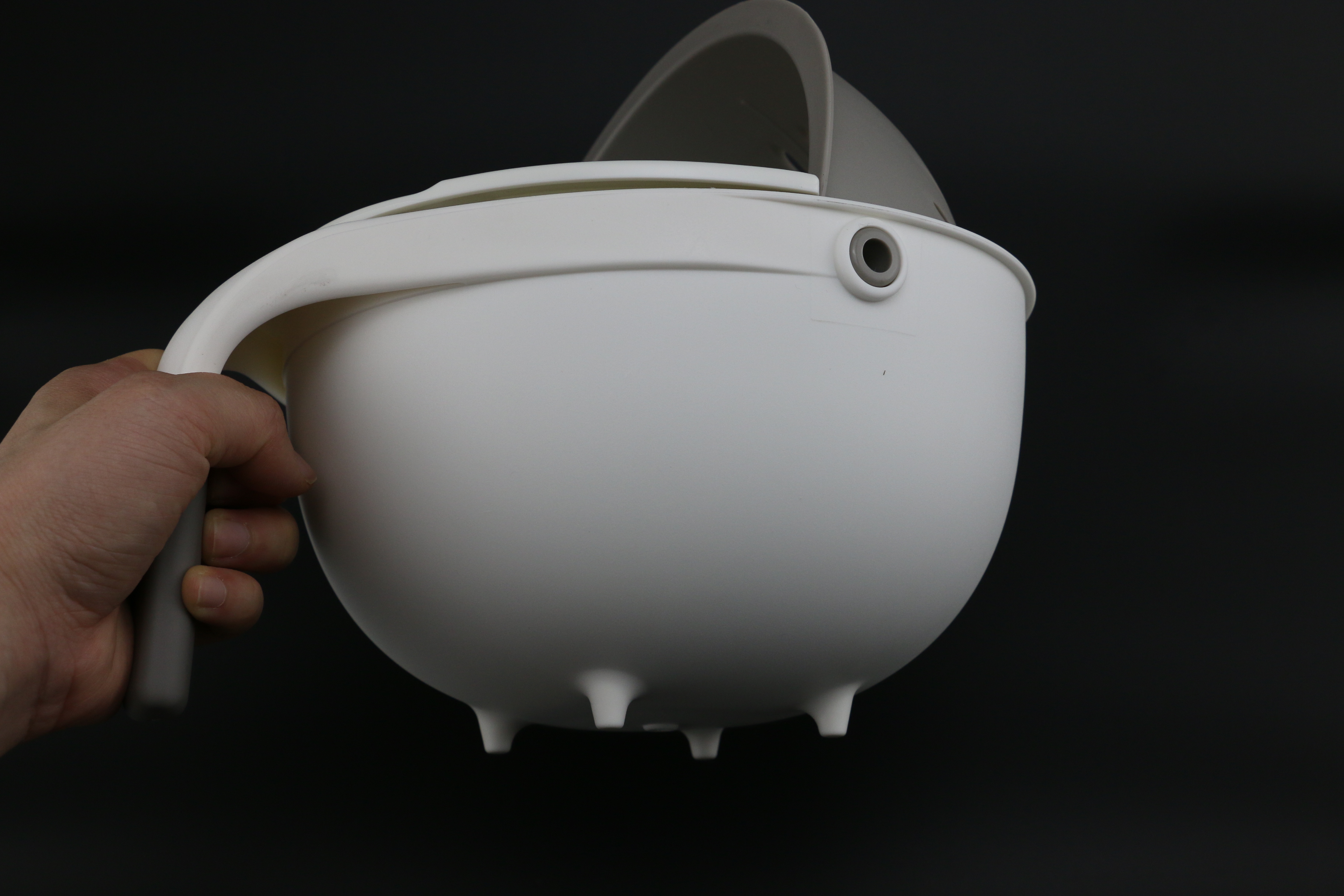
Find A Reliable Water Filtering Basket Supplier
For retailers, importers, distributors, and kitchenware brands, choosing a reliable water filtering basket supplier is not only about finding a low unit price. The right supplier should help you source practical kitchen tools that rinse, drain, cut, and organize produce efficiently while meeting your market’s expectations for usability, packaging, and consistency. A water filtering basket may look simple, but small details such as handle comfort, drainage design, blade fit, and material communication can affect customer satisfaction and repeat orders.
The original product concept includes water filtering baskets, vegetable cutting basket solutions, and broader kitchen accessories. One highlighted item is a multifunctional vegetable cutter set with a bowl, detachable colander, grip handle, handguard, and four specialized blades, including fine grating and julienne options. This guide explains how B2B buyers can evaluate such products and suppliers without relying on unsupported claims or vague sales language.
Key Takeaways
- Assess both product function and supplier reliability before placing a wholesale or OEM order.
- For vegetable cutting basket sets, check blade stability, handguard usability, drainage performance, and cleaning convenience.
- Ask suppliers direct questions about materials, packaging options, quality checks, lead time, and customization limits.
- Request samples and test them with real produce before confirming a larger order.
- A clear specification sheet helps prevent misunderstandings between buyers, factories, and distributors.
What a Water Filtering Basket Supplier Should Provide
A water filtering basket supplier typically offers products used for rinsing fruits, vegetables, noodles, herbs, and other kitchen ingredients. In consumer use, the basket should drain water quickly and feel stable when lifted. In B2B sourcing, buyers should look beyond the basic shape and confirm whether the supplier can provide consistent dimensions, color control, packaging support, and order documentation.
If you are sourcing for a supermarket, e-commerce store, promotional program, or private label line, ask whether the supplier can provide product photos, carton details, sample availability, and clear product descriptions. If the supplier describes materials as food-grade, request supporting documentation or test reports relevant to your destination market instead of assuming compliance.
Evaluating Vegetable Cutting Basket Sets
A vegetable cutting basket supplier may offer multifunctional sets that combine cutting, slicing, grating, shredding, rinsing, and draining. The original article describes a set in white and orange, with a grip handle, detachable colander, interchangeable blades, and an included handguard. These are useful selling points, but they should be checked carefully during sample review.
For example, the detachable colander should sit securely in the bowl and allow water to drain without trapping food scraps. Interchangeable blades should fit firmly and be easy to remove for washing. A fine grating blade should produce small shavings without requiring excessive pressure, while a julienne blade should create consistent strips suitable for garnishes, salads, or stir-fry preparation. The handguard should be comfortable enough that users actually use it, because sharp blades create an obvious safety concern.
Product Comparison and Sourcing Checklist
Use the following table when comparing potential suppliers or sample products. It is designed for B2B buyers who need repeatable quality rather than one-time purchasing.
| Evaluation Point | What to Check | Questions to Ask the Supplier |
|---|---|---|
| Drainage performance | Water exits quickly; produce does not sit in standing water | Can you provide drainage design details or sample testing guidance? |
| Blade system | Blades fit securely and are easy to change | How many blade styles are included, and are replacements available? |
| Handle and grip | Comfortable to hold when basket is wet or loaded | Can the handle color or shape be customized? |
| Colander fit | Detachable colander stays stable in the bowl | Is the colander sold as part of a set or as a separate component? |
| Packaging | Suitable for retail shelf, e-commerce, or bulk distribution | What packaging formats can you support, and what information is needed for artwork? |
| Quality control | Consistent color, surface finish, blade alignment, and assembly | What inspection steps are used before shipment? |
How to Qualify a Kitchen Accessories Supplier
A kitchen accessories supplier may offer many items, but breadth alone does not prove reliability. Start by checking communication quality. A dependable supplier should answer questions clearly, confirm what is included in a set, and avoid making unsupported promises. For OEM or wholesale sourcing, the buyer and supplier should agree on product name, components, colors, packaging, barcode needs, carton marks, inspection criteria, and shipping terms.
Request a complete sample, not only a photo. Test the set under normal conditions: rinse leafy vegetables, drain heavier produce, switch each blade, use the handguard, and clean every part. If the product is intended for online sales, check whether the packaging protects the blades and bowl during courier handling. If it is intended for retail, confirm whether the presentation is understandable to consumers who may not have seen a multifunctional cutting basket before.
Questions B2B Buyers Should Ask Before Ordering
- What exact components are included in the water filtering basket or vegetable cutter set?
- What materials are used for the bowl, colander, handle, blades, and handguard?
- Can the supplier provide relevant material or compliance documents for the target market?
- Are the white and orange colors standard, or can other colors be produced?
- What packaging options are available for wholesale, retail, or e-commerce?
- What is the sample process, and how long does sample preparation usually take?
- What quality checks are performed for blade sharpness, fitting, appearance, and assembly?
- How are replacement parts, spare blades, or after-sales issues handled?
Balancing Function, Safety, and Market Fit
Water filtering baskets and cutting basket sets sit in a competitive kitchenware category. Consumers compare them with ordinary colanders, mandoline slicers, salad spinners, and storage bowls. To succeed, a product needs a clear use case. A simple filtering basket should be easy to rinse, lift, pour, and store. A multifunctional vegetable cutter set should justify its extra parts by saving prep time without becoming difficult to clean or confusing to assemble.
Safety communication is especially important for blade-based products. The included handguard should be shown and explained in packaging or instructions. Buyers should also check whether the blades are protected during shipping and whether the retail package warns users to handle sharp parts carefully. Avoid vague statements such as “completely safe”; instead, focus on practical safety features and clear user instructions.
Sample Testing Tips for Importers and Retailers
Before confirming a bulk order, create a simple internal test plan. Use common produce such as carrots, cucumbers, potatoes, cabbage, apples, and leafy greens. Measure how easy it is to rinse, cut, drain, and clean. Ask several people to try the product, including users who have not seen the instructions. Their confusion points can reveal packaging or design improvements before launch.
Also check consistency across multiple samples if possible. One good sample is encouraging, but B2B buyers need confidence that mass production will match the approved version. Confirm how the supplier records the approved sample, color, component list, and packaging layout. If any details are still uncertain, list them in writing before paying a deposit or approving production.
FAQ
What is the difference between a water filtering basket and a vegetable cutting basket?
A water filtering basket is mainly used for rinsing and draining ingredients. A vegetable cutting basket set may combine a bowl or colander with interchangeable blades for slicing, grating, shredding, or julienne cutting.
Should I choose a multifunctional set or a simple draining basket?
Choose based on your sales channel and customer needs. Simple baskets are easy to explain and often suit broad household use. Multifunctional sets can offer more value, but they require clear instructions, safe blade storage, and reliable component fit.
Can I ask for OEM colors or packaging?
Yes, many suppliers may offer customization, but availability depends on the product, order quantity, production schedule, and packaging requirements. Ask the supplier directly instead of assuming all colors or private label options are available.
What documents should a buyer request?
Ask for product specifications, material information, packaging details, sample confirmation, and any compliance documents relevant to your destination market. Do not rely on general claims without supporting evidence.
How can I reduce sourcing risk?
Test samples, confirm every included component, document approved colors and packaging, and agree on inspection standards before mass production. Clear written communication is one of the most effective ways to prevent disputes.
