








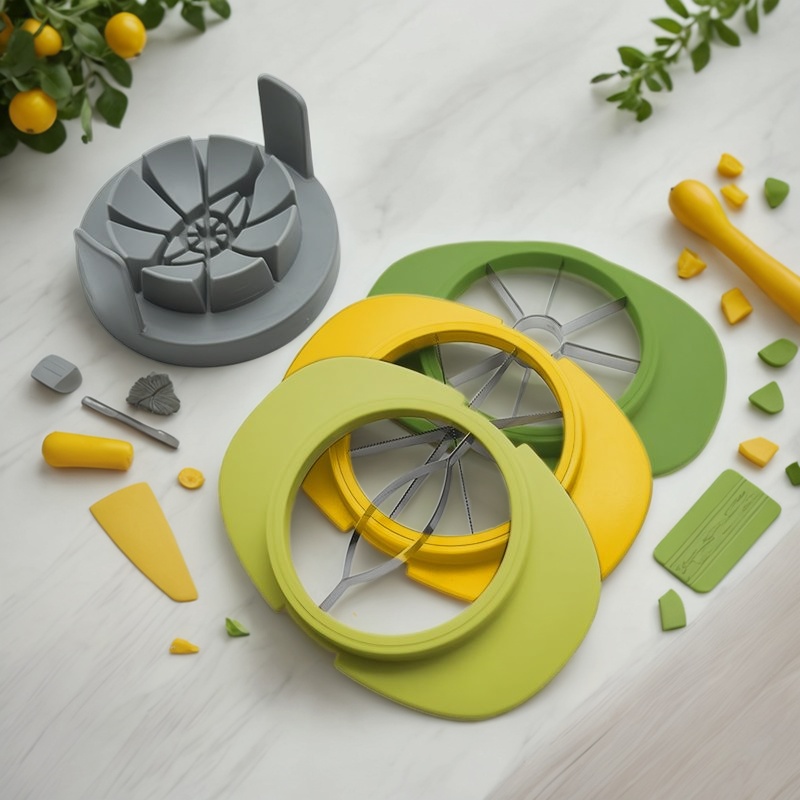
Find Premium Fruit Cutting Tools Supplier
Choosing a fruit cutting tools supplier is not just about finding a low unit price. For retailers, importers, distributors, hospitality buyers, and kitchenware brands, the right supplier should help deliver consistent product quality, practical designs, reliable communication, and packaging that fits the target sales channel. Fruit slicers and cutters may look simple, but small differences in blade sharpness, handle comfort, cleaning convenience, and material choices can affect customer satisfaction and repeat orders.
The original article highlighted several useful ideas: modern fruit preparation tools can save time, improve presentation, and come in specialized designs for apples, citrus, and softer fruits. It also mentioned features such as stainless steel blades, ergonomic handling, color variety, and easy cleaning. This updated guide expands those points into a practical sourcing framework for B2B buyers who need to compare suppliers carefully before placing wholesale or OEM orders.
Key Takeaways
- A good fruit cutting tools supplier should be evaluated on product consistency, sampling process, packaging options, and communication quality.
- Ask suppliers to confirm materials, blade construction, cleaning guidance, and any available test or compliance documents instead of assuming specifications.
- Retail and foodservice buyers may need different fruit slicer designs, packaging formats, and durability expectations.
- Before bulk ordering, request samples and check how tools perform on the fruits your customers are most likely to prepare.
What Makes a Fruit Cutting Tool Supplier Reliable?
A reliable supplier should be able to answer detailed questions about the product, not only provide a catalog image. Buyers should ask what materials are used for the blade and body, whether the blade is stainless steel, how the handle is designed for grip, and what care instructions are recommended. If the product is marketed for specific fruits, the supplier should explain which types of fruit it is intended to cut and where its limitations are.
Communication is also part of reliability. A supplier that responds clearly to questions about samples, lead times, packaging, order quantities, customization, inspection, and shipping terms is easier to work with over time. If details such as MOQ, certifications, or testing are important for your market, request written confirmation and supporting documents rather than relying on general claims.
Important Product Features to Compare
Fruit cutting tools can include apple slicers, citrus cutters, wedge makers, corers, multi-blade slicers, and small handheld tools for soft fruits. When comparing them, focus on practical use. A tool that looks attractive but is uncomfortable to press through firm fruit may create returns. A cutter that works well once but is difficult to clean may not satisfy everyday users.
Buyers should evaluate these points during sample review:
- Cutting performance: Test the tool on the intended fruit type, such as apples, citrus, pears, or softer fruit.
- Blade quality: Ask the supplier to identify blade material and construction. Do not assume a grade unless it is confirmed.
- Grip and pressure: Check whether the handle feels secure and whether users can apply force comfortably.
- Cleaning method: Confirm whether the tool is hand-wash only or has other care guidance from the supplier.
- Safety design: Look for smooth edges, stable handling, and packaging that protects the blade during transport and display.
- Visual consistency: If ordering colored tools, compare samples for color matching and finish quality.
Supplier Types: Manufacturer, Wholesale Provider, or Trading Partner?
The right sourcing route depends on your business model. A fruit slicer manufacturer may be suitable if you need product development support, OEM packaging, or a more direct conversation about production details. A fruit cutter wholesale provider may be better for buyers who want available designs, lower complexity, and faster assortment building. A trading partner can be useful when you want to source multiple kitchenware categories from one contact, but you should still verify product details and quality control arrangements.
| Supplier option | Best for | Questions to ask |
|---|---|---|
| Manufacturer | OEM projects, custom packaging, direct product discussion | Can you provide samples, material details, inspection process, and customization options? |
| Wholesale provider | Retail assortment, smaller product range testing, faster purchasing | Which items are in regular supply, what packaging is available, and what is the order process? |
| Trading partner | Multi-category kitchenware sourcing | Who controls quality inspection, and can product specifications be confirmed in writing? |
Matching Tools to Retail and Foodservice Needs
Different buyers need different product priorities. A retailer may focus on shelf appeal, consumer packaging, barcode requirements, and clear use instructions. A restaurant, cafe, school kitchen, or catering buyer may care more about repetitive use, easy cleaning, compact storage, and staff safety. Online sellers should pay attention to photography accuracy, product dimensions, packing strength, and return risk.
Color can be helpful for visual merchandising or for separating tools by fruit type. The original article mentioned examples such as green tools for apples, yellow tools for citrus, and lime green tools for softer fruits. When using color as part of the product story, make sure the distinction is clear to buyers and not misleading. If a cutter is promoted for apples, it should be tested on apples of typical size and firmness for your target market.
OEM and Packaging Questions for B2B Buyers
If you are sourcing for a private label or branded kitchenware line, discuss OEM details early. Do not assume every supplier can support logo printing, custom colors, retail boxes, instruction inserts, or display cartons. Ask what options are available, what information is required for artwork, and whether samples can be approved before mass production.
Packaging should protect the blade, explain use clearly, and fit the sales channel. For physical retail, hanging cards or boxes may be important. For e-commerce, packaging needs to reduce movement during shipping and help prevent damage. For hospitality or foodservice, bulk packaging may be more efficient, but it still needs to protect the cutting edges and keep products organized.
Quality Control Before Bulk Orders
Sample testing is the most important step before committing to a larger purchase. Use the tool repeatedly, not just once. Test it with different fruit sizes and firmness levels. Check whether the handle flexes, whether the cutting pattern is even, and whether cleaning is practical after sticky or fibrous fruit. If the product includes a blade system described as innovative or specialized, ask the supplier to explain how it works and what maintenance or care is recommended.
For commercial orders, buyers may also ask about pre-shipment inspection, acceptable quality limits, packaging checks, carton labeling, and replacement handling for defective goods. If your market requires specific compliance or documentation, request evidence directly from the supplier. Avoid making product claims in your own sales materials until those claims are supported.
Practical FAQ
What should I ask a fruit cutting tools supplier first?
Start with product material details, sample availability, intended fruit applications, packaging options, MOQ, lead time, and whether the supplier can provide written specifications or relevant documents for your market.
Is stainless steel always used for fruit slicer blades?
Many fruit cutting tools use stainless steel blades, and the original article mentioned stainless steel. However, buyers should ask the supplier to confirm the actual blade material and any grade or finish details before making claims.
How do I test a fruit cutter sample?
Use it on the fruit type you plan to market it for. Check cutting ease, grip comfort, stability, cleaning, blade alignment, and whether the finished slices or wedges meet customer expectations.
Should I choose a manufacturer or wholesale supplier?
Choose a manufacturer if you need OEM discussions, custom packaging, or direct product development. Choose a wholesale supplier if you want to source existing designs with a simpler buying process.
Can fruit cutting tools be customized?
Customization may be possible, but it depends on the supplier. Ask about logo placement, color options, packaging formats, sample approval, artwork requirements, and any minimum order conditions.
Final Sourcing Advice
A premium fruit cutting tools supplier should help you reduce uncertainty. Look for clear product information, realistic claims, sample support, and a willingness to answer technical and commercial questions. For buyers building a retail or foodservice assortment, the best tool is not necessarily the most complex design. It is the one that cuts the intended fruit cleanly, feels safe in the hand, is easy to clean, and can be supplied consistently with packaging that suits your channel.
