




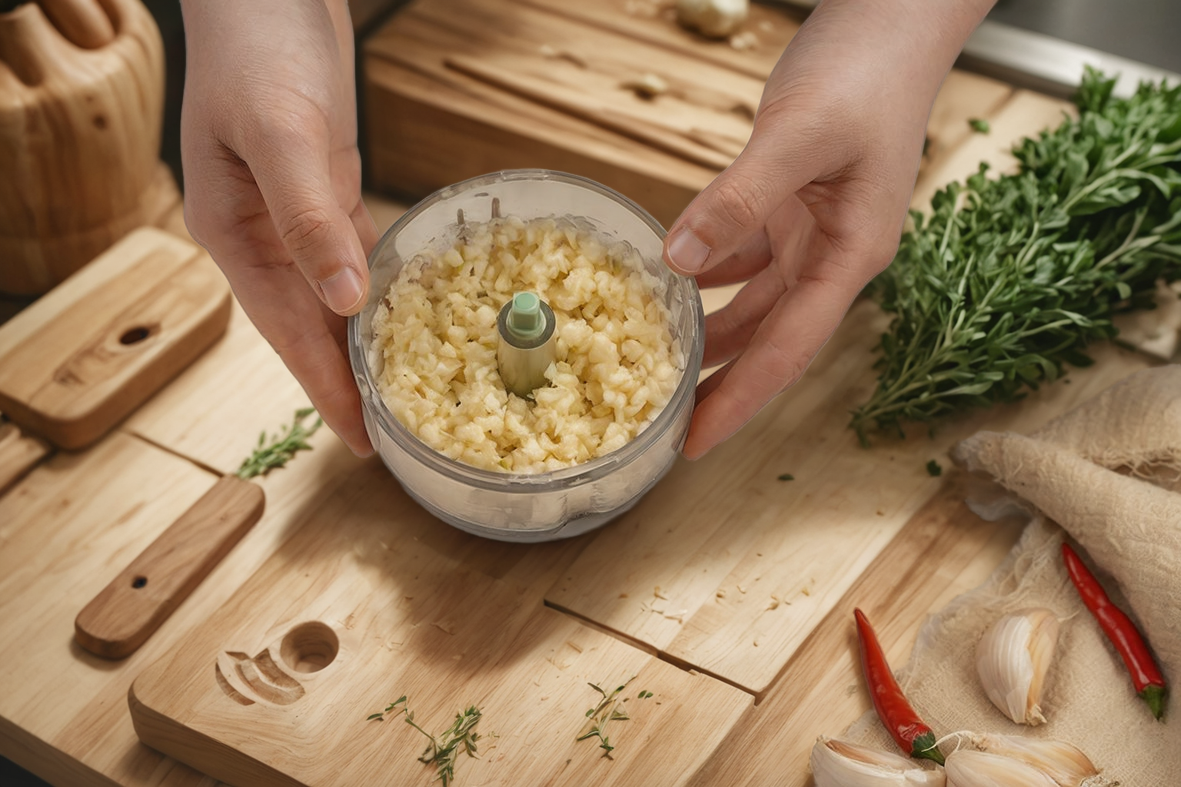
Garlic Mincer: A Practical Kitchen Tool for Faster Prep
Fresh garlic adds depth to sauces, marinades, stir-fries, soups, and dressings, but preparing it by hand can slow down a busy cooking routine. A garlic mincer is designed to make that job quicker, cleaner, and more consistent. Instead of finely chopping cloves with a knife each time, you can use a dedicated tool to reduce garlic into small pieces that release aroma and flavor efficiently.
The original article described a garlic mincer as a useful kitchen gadget for garlic, chili, herbs, and other small ingredients. That is the right way to think about this product: not as a replacement for every knife task, but as a compact prep tool for small quantities. When chosen carefully and cleaned properly, it can save time and reduce mess in both home kitchens and light professional prep environments.
Key Takeaways
- A garlic mincer is most useful when you prepare garlic frequently and want faster, more even results.
- Different designs work differently, including press-style tools and small chopping containers with blades.
- Look for ease of cleaning, comfortable handling, stable operation, and a size that matches your cooking habits.
- Garlic, chili, herbs, and other small ingredients may be suitable, depending on the tool design.
- Always check the supplier’s care instructions before using a dishwasher or processing hard ingredients.
What a Garlic Mincer Does
A garlic mincer breaks peeled garlic cloves into fine pieces. Compared with chopping by hand, it can reduce prep time and help create a more uniform texture. This is helpful when garlic needs to blend evenly into oil, sauces, dumpling fillings, dressings, or marinades.
Some garlic mincers work like a press, pushing garlic through small holes. Others use a chopping action, often with blades inside a small container. The original article referenced a compact garlic and herb food processor style, which suggests a broader use than a single-purpose press. A small chopper-style mincer may be useful for garlic as well as chili, soft herbs, or similar small ingredients, provided the tool is designed for those foods.
Garlic Mincer vs Knife vs Garlic Press
The best tool depends on the recipe and the texture you want. A knife gives full control but requires more time and skill. A traditional garlic press is fast, but it often creates a wetter, crushed texture and can be harder to clean. A chopper-style garlic mincer can be a balanced option for cooks who want speed, less direct contact with garlic, and a texture closer to fine chopping.
| Method | Best For | Advantages | Considerations |
|---|---|---|---|
| Knife chopping | Precise texture control | No special tool needed; easy to adjust cut size | Takes more time; leaves garlic odor on hands and board |
| Garlic press | Quick crushed garlic | Fast for one or two cloves; compact | Can be fiddly to clean; texture is more crushed than chopped |
| Garlic mincer or small chopper | Frequent garlic prep and small ingredients | Efficient, consistent, and useful for garlic, chili, and herbs when suitable | Needs proper cleaning; capacity may be limited |
How to Choose a Good Garlic Mincer
When selecting a garlic mincer, avoid focusing only on appearance. The most useful tool is the one that fits your cooking pattern and is easy enough to clean that you will actually use it. Consider the following points before buying:
- Cutting action: Decide whether you prefer a press-style result or a chopping-style result. Pressed garlic can be stronger and wetter, while chopped garlic may feel more versatile in cooking.
- Capacity: If you usually cook for one or two people, a compact tool may be enough. If you regularly prepare larger meals, ask whether the container or chamber can handle several cloves at once.
- Ease of cleaning: Garlic residue can cling to small holes, blades, and corners. Check whether the parts separate easily and whether the supplier provides clear cleaning guidance.
- Comfort and grip: A mincer should feel stable in the hand or on the countertop. Slippery handles or unstable bases can make prep frustrating.
- Visibility: A clear container, if included, can help you monitor texture and avoid over-processing herbs or chili.
- Storage: Compact kitchen tools are easier to keep accessible. If the tool is too bulky for your drawer or prep area, it may not be used often.
Practical Uses Beyond Garlic
A garlic mincer can be useful for more than garlic, but only within reasonable limits. The original article mentioned chili, herbs, marinades, and salsa prep. These are sensible examples because they involve small, flavor-building ingredients rather than large or hard foods.
For example, minced garlic and chili can be mixed into oil for a quick stir-fry base. Soft herbs can be chopped for dressings, dips, or seasoning blends. Garlic can also be prepared for marinades, where a fine texture helps distribute flavor across meat, seafood, tofu, or vegetables.
However, not every small ingredient is appropriate. Hard nuts, frozen foods, dense roots, or fibrous stems may damage a lightweight tool if it is not designed for them. Before using a garlic mincer for anything beyond garlic and soft ingredients, check the product instructions or ask the supplier what foods are recommended.
How to Use a Garlic Mincer for Better Results
Start with fresh, firm garlic cloves. Remove the peel before placing the garlic into the mincer unless the tool instructions state otherwise. Do not overfill the chamber or container, because crowded ingredients may chop unevenly and strain the mechanism.
For a chopper-style mincer, use short actions and check the texture as you go. Stop when the garlic reaches the size needed for the recipe. For a press-style tool, place one or two cloves in the chamber and apply steady pressure. Scrape off any garlic remaining on the outside before adding it to the pan or bowl.
Timing also matters. Garlic burns quickly in hot oil, especially when minced finely. Add it after onions or other aromatics have softened, or cook it briefly over moderate heat until fragrant. If using raw minced garlic in dressings or sauces, let it rest with acid, oil, or salt to mellow the sharpness.
Cleaning and Care Tips
Cleaning is one of the most important factors in long-term satisfaction. Garlic oils and small particles can remain in corners, holes, and under blades. Rinse the tool soon after use so residue does not dry. If the design allows disassembly, separate the parts carefully and wash each area with warm water and mild dish soap.
Use a soft brush for tight areas. Avoid putting fingers directly near blades or sharp perforations. If the supplier says the tool is dishwasher safe, place parts securely so they do not move during the cycle. If no dishwasher guidance is provided, hand washing is the safer default.
Dry the mincer fully before storage. Trapped moisture can create odor and may shorten the useful life of some components. Store the tool where blades or pressing surfaces are protected from accidental contact.
Common Buying Questions to Ask
If you are comparing garlic mincers online or through a kitchenware supplier, ask specific questions rather than relying on broad claims. Useful questions include: What ingredients is the tool intended to process? Are the parts removable for cleaning? Is there a recommended maximum fill level? Are replacement parts available if the blade or lid is damaged? What care method does the supplier recommend?
For retailers or bulk buyers evaluating this type of product, request clear product photos, packaging information, use instructions, and any applicable documentation the supplier can legitimately provide. Avoid assuming material grades, test results, or certifications unless they are stated and supported by the supplier.
FAQ
Is a garlic mincer better than a knife?
It depends on your goal. A knife offers more control, while a garlic mincer is usually faster and reduces direct contact with garlic. For frequent everyday cooking, many people find a mincer more convenient.
Can I use a garlic mincer for herbs and chili?
Many chopper-style garlic mincers can handle soft herbs and chili, but you should confirm this in the product instructions. Avoid hard or frozen ingredients unless the supplier says they are suitable.
Why does minced garlic taste stronger?
Finely minced garlic exposes more surface area, which releases more aroma and flavor. This can be useful in sauces and marinades, but it also means the garlic can burn faster during cooking.
How do I prevent garlic odor from lingering?
Rinse the mincer immediately after use, wash with mild dish soap, and dry it fully. For hands and cutting boards, washing soon after prep helps reduce lingering odor.
What size garlic mincer should I choose?
Choose a compact model if you usually prepare a few cloves at a time. If you cook larger batches, look for a design with enough capacity and a stable operating method.
Final Thoughts
A garlic mincer is a practical kitchen tool for cooks who want faster prep, cleaner handling, and consistent texture when working with garlic and other small ingredients. The right choice depends on how often you cook, what texture you prefer, and how easy the tool is to clean. Rather than buying the most complicated option, choose a mincer that fits your recipes, storage space, and care routine.
