




Find the Right Kitchen Utensils Supplier for Your Needs
Choosing a kitchen utensils supplier is not only about finding a product that looks good in a catalog. For retailers, distributors, hospitality buyers, and brand owners, the right supplier should help you source tools that are practical, consistent, easy to explain to customers, and suitable for the intended sales channel. A stainless steel grater is a useful example: it seems simple, but buyers still need to review blade design, cleaning convenience, handle comfort, packaging options, and quality control before placing a wholesale or OEM order.
This guide rewrites the topic with a B2B sourcing focus. It uses the stainless steel grater described in the original article as the product example, including its six distinct blades, multi-purpose use, comfortable handle, and dishwasher-safe cleaning claim. It also highlights the questions buyers should ask before selecting a kitchen gadgets supplier.
Key Takeaways
- A reliable kitchen utensils supplier should be evaluated on product consistency, communication, packaging support, and quality control processes.
- For stainless steel graters, check blade functions, sharpness retention expectations, handle comfort, cleaning method, and safe storage.
- Do not rely only on product photos; request samples and confirm what each blade is designed to do.
- For OEM or wholesale sourcing, ask about customization, carton packing, labeling, lead time, inspection standards, and after-sales handling.
What Buyers Should Expect from a Kitchen Utensils Supplier
A professional kitchen utensils supplier should make sourcing easier by providing clear product information and practical answers. Buyers should be able to understand what the item is made for, how it is used, how it is cleaned, and how it is packed. When sourcing kitchen tools for resale, these details reduce confusion for end users and help sales teams describe the product accurately.
For a stainless steel grater, the basic questions include: What tasks do the blades cover? Is the handle comfortable for repeated use? Is the item dishwasher safe? How should the sharp blades be protected during shipping and retail display? These questions are especially important when the product is intended for supermarkets, kitchenware shops, restaurant supply channels, or private-label programs.
Product Focus: Multi-Purpose Stainless Steel Grater
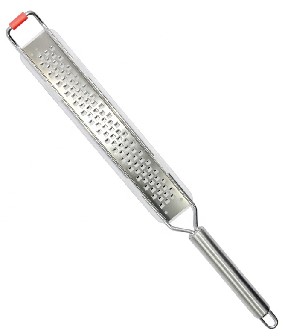
The original product description highlights a stainless steel grater designed for precision and versatility. It features six distinct blades, each intended for a specific preparation task. The listed uses include zesting lemon, grating cheese, creating fine shreds, grating chocolate or garlic, slicing vegetables evenly, and coarse cutting potatoes. For buyers, this variety can make one item suitable for multiple kitchen tasks, which may improve shelf appeal and reduce the need for customers to buy several separate tools.
Stainless steel is commonly chosen for graters because it is associated with durability and blade performance. The original article also states that the material is rust-resistant and easy to clean, and that the grater is dishwasher safe. If you are sourcing at scale, confirm these points with the supplier through product samples and written specifications rather than assuming all stainless steel graters perform the same way.
Blade Functions and User Scenarios
Blade design is the main reason a customer chooses one grater over another. A six-blade grater should be easy to explain on packaging and in product listings. Buyers should ask the supplier to identify each blade by function and provide usage guidance. This helps reduce returns caused by mismatched expectations.
| Blade or Function | Typical Use | Buyer Checkpoint |
|---|---|---|
| Fine zesting | Lemon peel, citrus zest, fine aromatics | Check whether zest is cleanly removed without excessive pith. |
| Cheese grating | Hard or semi-hard cheese preparation | Test output size and whether cheese clogs the blade. |
| Fine shredding | Small shreds for garnishes or ingredients | Confirm consistency and ease of cleaning after use. |
| Chocolate or garlic grating | Flavoring, baking, sauces, and dressings | Check whether soft or sticky ingredients are difficult to remove. |
| Vegetable slicing | Even slices for salads or cooking prep | Review blade safety and slice uniformity. |
| Coarse potato cutting | Coarser cuts for potatoes and similar foods | Test strength, stability, and user effort required. |
Quality Questions to Ask Before Wholesale Purchasing
When evaluating a kitchen gadgets supplier, buyers should avoid vague claims and request practical information. The goal is not to make the product sound more advanced than it is; the goal is to confirm whether it matches your market and quality expectations.
- Can the supplier provide a sample of the exact stainless steel grater intended for bulk order?
- Are all six blade functions clearly identified in the product specification or packaging artwork?
- What cleaning instructions should be shown to end users, including dishwasher-safe guidance?
- How is the handle attached, and how does it feel during repeated use?
- How are sharp edges protected during transportation and retail handling?
- What inspection steps are used for blade sharpness, surface finish, handle fit, and packaging condition?
- For OEM orders, what customization options are available for branding, packaging, instructions, or barcode labels?
If the supplier cannot answer these questions clearly, buyers should slow down the purchasing process and request more documentation or additional samples.
Cleaning, Handling, and End-User Guidance
Consumer satisfaction often depends on simple daily-use details. The original article states that the grater has a comfortable handle and is dishwasher safe. These are useful selling points, but they should be supported by clear care guidance. Even dishwasher-safe tools may need careful placement in the dishwasher to protect sharp edges and avoid contact with other utensils.
Retailers and distributors should consider including concise instructions such as washing before first use, handling blades carefully, rinsing soon after grating sticky foods, and storing the tool away from children. For restaurant or catering buyers, ease of cleaning is especially important because tools may be used repeatedly during prep shifts.
How to Compare Kitchen Utensils Suppliers
Supplier comparison should include more than unit price. A low-cost tool that arrives with inconsistent blades, weak packaging, or unclear instructions may create higher total costs through returns, complaints, and repacking work. Buyers should compare suppliers using a structured checklist.
- Product clarity: Are material, blade functions, cleaning method, and use cases described accurately?
- Sample consistency: Does the sample match the catalog photo and written description?
- Communication: Does the supplier respond with specific answers rather than generic promises?
- Packaging support: Can the supplier discuss retail packaging, instructions, carton packing, and labeling needs?
- Quality control: What checks are performed before shipment, and can inspection requirements be agreed in writing?
- Commercial terms: Ask about MOQ, lead time, payment terms, and customization cost instead of assuming standard conditions.
Practical FAQ
What makes a stainless steel grater suitable for wholesale sourcing?
It should have clear blade functions, consistent construction, safe handling, suitable packaging, and cleaning guidance that customers can understand. Samples should be tested before bulk purchasing.
Are six blades better than one blade?
Six blades can offer more preparation options, such as zesting, grating, slicing, and coarse cutting. However, buyers should confirm that each blade performs its intended task well.
What should I ask a kitchen utensils supplier before OEM ordering?
Ask about branding options, packaging artwork requirements, sample approval, inspection standards, lead time, MOQ, carton details, and how product issues are handled after shipment.
Can the grater be promoted as dishwasher safe?
The original product description states that it is dishwasher safe. Buyers should still confirm the care instructions with the supplier and ensure the claim appears consistently on packaging and product pages.
How can buyers reduce sourcing risk?
Request samples, test all blade functions, confirm written specifications, review packaging, and agree on inspection criteria before placing a larger order.
Final Sourcing Advice
A good kitchen utensils supplier should help buyers make confident, evidence-based decisions. For a stainless steel grater with six blades, the most important work happens before the order: confirm functions, test comfort and cleaning, review packaging, and ask direct commercial questions. This approach helps retailers, wholesalers, and OEM buyers select kitchen tools that are practical for real users and easier to support in the market.
