




Find the Best Stainless Steel Grater Supplier
Choosing a stainless steel grater supplier is not only about finding a low unit price. For retailers, distributors, kitchenware brands, restaurant supply buyers, and OEM purchasers, the better question is whether a supplier can consistently deliver a grater that matches your market, packaging plan, safety expectations, and repeat-order needs. A grater looks simple, but small details such as blade sharpness, handle comfort, cover fit, carton protection, and surface finishing can affect customer satisfaction.
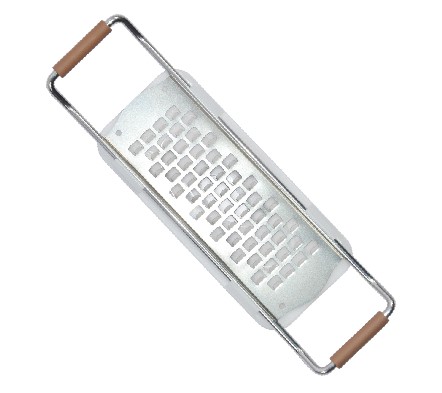
The original article highlighted several explicit product details: stainless steel construction, use for cheese, citrus zest, and vegetables, a black handle, an elongated design, and a protective cover. Those are useful starting points. A sourcing decision, however, should go further. Buyers should verify materials, dimensions, packaging, labeling, inspection steps, customization options, and commercial terms directly with the supplier before placing a bulk order.
Key Takeaways
- Ask suppliers to confirm material, finish, size, blade style, handle material, and cover design in writing.
- Request samples before wholesale ordering, especially if the grater will be sold under your own brand.
- Compare suppliers on consistency, packaging protection, documentation, communication, and after-sales handling.
- Do not rely on product photos alone; test grip comfort, grating performance, cleaning ease, and cover fit.
- For OEM or private-label projects, clarify artwork files, barcode placement, carton marks, inspection standards, and lead time before production.
What a Stainless Steel Grater Supplier Should Be Able to Explain
A capable stainless steel grater supplier should be able to describe the product clearly and answer sourcing questions without vague claims. At minimum, ask for a specification sheet covering overall length, blade area, handle color and material, cover material, product weight, packaging method, and available grating styles. If the item includes a protective cover, confirm whether it locks firmly enough for storage and shipping, and whether it is intended only for blade protection or also for retail presentation.
For B2B buyers, it is also important to understand the supplier's role. Are they a factory, trading company, distributor, or brand owner? Each model can work, but it changes how you manage communication, customization, quality checks, and cost transparency. If you need OEM production, ask whether the supplier can support logo placement, packaging artwork, barcode labels, instruction sheets, and carton marks.
Product Details to Check Before Buying in Bulk
Stainless steel kitchen graters are often used for hard cheese, citrus zest, ginger, garlic, chocolate, and vegetables. Because the tool contacts food and is handled repeatedly, buyers should evaluate both performance and user comfort. The original product description mentions an elongated design, black handle, non-slip grip, and protective cover. These features can be valuable, but they should be tested rather than assumed.
When reviewing a sample, check whether the grater cuts cleanly without requiring excessive pressure. A blade that feels sharp at first but bends or dulls quickly can lead to returns. The handle should feel stable when used at different angles, especially if the grater is marketed for both home and commercial kitchen use. The cover should protect the blade during storage, but it should not be so loose that it falls off in transit.
Supplier Comparison Checklist
| Evaluation Point | What to Ask | Why It Matters |
|---|---|---|
| Product specification | Can you provide size, weight, material, blade type, handle details, and cover details? | Clear specs reduce misunderstandings before sampling and production. |
| Sample quality | Can we test pre-production or existing samples before confirming an order? | Hands-on testing reveals grip comfort, sharpness, finish, and cleaning issues. |
| Packaging | What retail and export packaging options are available? | Good packaging protects sharp blades and supports shelf presentation. |
| Customization | Can you support logo, color, packaging artwork, barcode, or carton mark requests? | Important for private label, wholesale, and branded retail programs. |
| Quality control | What inspection steps are used before shipment? | Buyers need a practical way to manage consistency across repeat orders. |
| Commercial terms | What are the MOQ, lead time, payment terms, and shipping options? | These details determine whether the supplier fits your purchasing plan. |
How to Evaluate Samples Like a Professional Buyer
Sample testing should be structured. Use the grater on several foods that match your target market: cheese for general kitchen use, citrus peel for zesting, and firm vegetables for stronger pressure testing. After use, check whether food remains trapped in the blade area and whether the tool can be cleaned easily. If the product is intended for retail sale, examine the finish under good lighting. Scratches, burrs, uneven edges, or loose handles can damage perceived value.
Buyers should also test packaging. Place the grater back into its cover and retail package, then handle it as it might be handled during warehousing or delivery. If the blade pushes through thin packaging or the cover becomes loose, request improvements before bulk production. For online sellers, packaging durability may be as important as appearance because the product must survive parcel shipping.
Questions for OEM, Wholesale, and Private-Label Orders
If you are sourcing stainless steel graters for resale, prepare a question list before contacting suppliers. This saves time and helps you compare quotations fairly. Ask whether the quoted price includes packaging, logo work, inner boxes, master cartons, or any extra accessories. Ask whether the supplier can provide product photos, but do not treat photos as proof of final production quality.
- What exact product model or specification is included in the quotation?
- Is the black handle standard, or can handle color be customized?
- Is the protective cover included in the base price?
- What packaging options are available for retail, e-commerce, or bulk supply?
- Can the supplier provide samples from current stock and pre-production samples for custom orders?
- What inspection process is used for blade finish, handle assembly, cover fit, and packaging?
- What are the MOQ, lead time, payment terms, and shipping terms?
Balancing Price, Quality, and Long-Term Supply
A very low quote may look attractive, but it can hide compromises in finishing, packaging, or communication. A better sourcing process compares total value: sample quality, order consistency, responsiveness, packaging protection, customization support, and the supplier's willingness to document details. For repeat wholesale programs, stable quality is often more important than saving a small amount on the first order.
Buyers should also consider product positioning. A simple stainless steel grater may work for value channels, while a grater with an ergonomic black handle, elongated form, and protective cover may suit giftable kitchenware, e-commerce bundles, or professional kitchen supply ranges. Match the product to your customer instead of buying only what is easiest to source.
Use and Care Points Buyers Can Share With Customers
Even when sourcing for B2B resale, practical use guidance can improve the final customer experience. Stainless steel graters should be washed after use, especially after citrus, cheese, garlic, or ginger. Users should avoid pressing fingers close to the blade and should store the grater with the protective cover when available. If the supplier provides care instructions, check that they are clear and suitable for your market language and packaging format.
Before making dishwasher-safe or food-grade claims in your own listing, confirm the details with the supplier and request appropriate documentation where required for your sales channel. Do not add compliance claims unless they are supported by supplier documentation and applicable to your target market.
FAQ
What should I ask a stainless steel grater supplier first?
Start with the product specification, available samples, packaging options, MOQ, lead time, and whether the supplier supports wholesale, OEM, or private-label orders.
Is a protective cover important for kitchen graters?
Yes, a cover can help protect the blade during storage and shipping. Buyers should test whether it fits securely and whether it is included in the quoted price.
How can I compare grater samples from different suppliers?
Use the same foods for each sample, then compare cutting performance, handle comfort, blade finish, cleaning ease, cover fit, and packaging protection.
Can I request a custom handle color or logo?
Many suppliers may offer customization, but buyers should confirm available options, artwork requirements, added cost, MOQ, and sample approval steps before ordering.
What should I avoid when sourcing stainless steel kitchen graters?
Avoid ordering only from photos, accepting unclear specifications, overlooking packaging strength, or making product claims that the supplier has not documented.
