




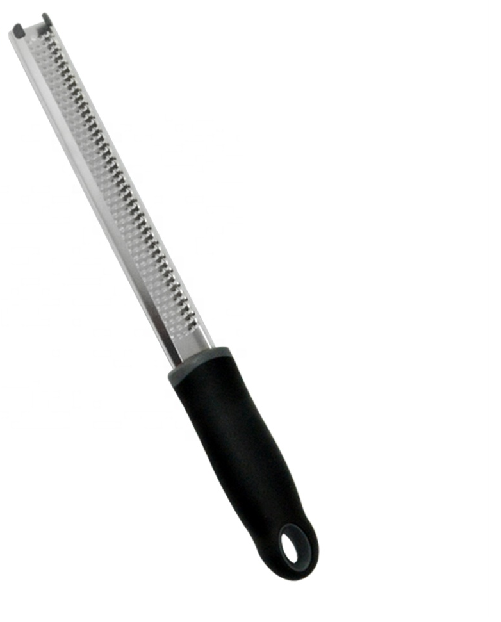
How to Choose a Kitchen Utensils Supplier for Graters and Everyday Tools
Finding a reliable kitchen utensils supplier is not only about choosing an attractive product photo. For importers, distributors, retailers, and brand owners, the right supplier should help you source practical tools that are consistent, easy to explain to customers, and suitable for your sales channel. A stainless steel grater set is a useful example because it looks simple, but it involves blade performance, handle comfort, cleaning convenience, packaging, and quality control.
The original product focus is a multifunction grater set with six blade options. It is positioned for both home cooks and professional kitchen users, offering different textures for zesting, shredding, slicing, and grating. This guide rewrites that topic as a practical B2B sourcing article, showing what buyers should check before placing an order with any kitchen gadget supplier.
Key Takeaways
- A kitchen utensils supplier should be evaluated on product consistency, communication, inspection process, packaging support, and after-sales response.
- For a stainless steel grater set, check blade sharpness, cutting consistency, handle comfort, cleaning method, and safe user instructions.
- Do not rely only on general claims such as “premium” or “durable”; ask for material details, samples, test methods, and packaging specifications.
- Six-blade grater sets can serve different food-preparation needs, but each blade should be clearly labeled and explained for end users.
What Buyers Should Expect from a Kitchen Utensils Supplier
A good kitchen utensils supplier should make sourcing easier, not more confusing. Buyers should be able to request product photos, sample availability, carton details, labeling options, and answers to technical questions. If you are developing a retail line, you may also need support with user manuals, barcode placement, color box artwork, and spare parts policies.
When the product is a kitchen tool with cutting surfaces, communication becomes especially important. Ask how the supplier checks blade finish, whether the handle assembly is inspected, how defective pieces are handled, and what packaging is used to reduce movement during transport. These are ordinary sourcing questions, but they help prevent avoidable complaints after goods reach your warehouse or store shelves.
Understanding the Stainless Steel Grater Set
The featured product in the source article is a stainless steel grater designed around multiple functions. It includes six different blades identified as A through F. According to the original description, blade A is used for fine lemon zest, blade B for medium vegetable shreds, blade C for slicing root vegetables, blade D for shredding with a fuller texture, blade E as a perforated blade for soft cheese, and blade F as a fine grating blade for nuts and spices.
This variety can be useful for product positioning. A retailer can present the set as a compact tool for citrus zest, vegetables, cheese, nuts, and spices. A distributor can place it in a general kitchenware range, a baking accessories section, or a meal-prep product line. However, buyers should confirm whether the final supplied product includes the same blade markings, the same number of inserts, and clear instructions for each function.
Comparison Checklist for Supplier Evaluation
Before choosing a kitchen gadget supplier, compare more than the unit appearance. The table below shows practical checkpoints for sourcing a grater set or similar kitchen utensil.
| Checkpoint | What to Ask the Supplier | Why It Matters |
|---|---|---|
| Blade functions | Can each blade be demonstrated with the intended food type? | Confirms the product performs as described to customers. |
| Material details | What material is used for the grating surface and handle? | Prevents unsupported assumptions about grade, durability, or use conditions. |
| Handle comfort | Is the handle ergonomic, and can samples be tested during repeated use? | Comfort affects customer satisfaction, especially for frequent preparation tasks. |
| Cleaning guidance | How should the grater be cleaned and dried after use? | Clear care instructions reduce misuse and complaints. |
| Packaging | Are retail box, bulk pack, label, or instruction options available? | Packaging must match retail, e-commerce, or wholesale distribution needs. |
| Quality control | What checks are performed before shipment? | Helps buyers understand consistency and inspection expectations. |
Blade Design and Use Cases to Review
A six-blade grater set can be a strong assortment item because customers often want one tool to handle several preparation tasks. Still, each blade should have a real and understandable purpose. If the product page or packaging lists blade A through blade F, buyers should make sure those uses are easy to translate into consumer instructions.
- Blade A: Fine zesting for lemon peel and similar citrus use.
- Blade B: Medium shredding for vegetables.
- Blade C: Slicing root vegetables.
- Blade D: Shredding when a more substantial texture is desired.
- Blade E: Perforated surface for soft cheese.
- Blade F: Fine grating for nuts and spices.
For B2B buyers, the question is not only whether these functions sound appealing. You should test samples with real foods, compare the output, and decide whether the blade descriptions are accurate for your market. If your customers are home users, simple icons and short instructions may be enough. If your customers include professional kitchen buyers, they may expect more precise performance information.
Quality, Handling, and Care Questions
The source article describes the grater as stainless steel, resistant to rust and wear, and easy to clean. Those are useful selling points, but buyers should still ask for specific care recommendations from the supplier. For example, should the grater be hand washed, dried immediately, or stored with blade protection? Are there sharp-edge warnings in the instruction sheet? Is the product suitable for dishwashers, or should that claim be avoided unless confirmed?
Handle comfort is another practical issue. The original article mentions an ergonomic handle designed for comfortable use over longer periods. When evaluating a sample, hold the grater with wet and dry hands, test different angles, and check whether the handle feels secure. Also inspect the connection between the handle and grating surface, as weak assembly can become a common complaint in daily-use kitchen tools.
OEM and Wholesale Sourcing Questions
If you are sourcing for OEM, private label, or wholesale distribution, ask clear commercial and production questions instead of assuming the details. Bonet Houseware may be able to discuss kitchen utensil supply options, but buyers should confirm all project details directly before making decisions.
- What customization options are available for packaging, labels, colors, or instruction sheets?
- What is the minimum order quantity for standard and customized versions?
- Can the supplier provide pre-production samples for approval?
- What are the lead times for sampling, production, and shipment?
- How are blade sharpness, surface finish, handle assembly, and packing checked?
- Which documents, test reports, or compliance information can be provided for the target market?
- How are replacement parts, defects, or customer complaints handled after delivery?
These questions do not guarantee a perfect project, but they create a clearer purchasing process. They also help separate general product promotion from supplier capability.
How to Position a Grater Set in Your Product Range
A multifunction stainless steel grater set can fit several sales channels. In retail, it may be merchandised with cooking preparation tools, baking accessories, or vegetable prep products. In e-commerce, buyers should prepare clear images showing each blade, food examples, dimensions if available, cleaning guidance, and safety reminders. In wholesale catalogs, the product should be described in plain language so purchasing managers understand the functions quickly.
Avoid vague copy that promises to transform the kitchen. Instead, explain what the tool does: zest citrus, shred vegetables, slice root vegetables, grate cheese, and prepare nuts or spices depending on the blade used. Specific language improves customer confidence and reduces the gap between expectation and actual use.
Practical FAQ
What should I check first when sourcing a kitchen utensils supplier?
Start with samples, communication speed, product consistency, packaging options, and the supplier’s quality-control process. For sharp kitchen tools, also ask about blade inspection and user safety instructions.
Is a six-blade grater set suitable for retail sales?
It can be suitable if each blade function is clear and the packaging explains how to use the blades. Buyers should test the sample with foods such as citrus, vegetables, soft cheese, nuts, and spices before committing.
Can I claim a specific stainless steel grade?
Only claim a material grade if the supplier provides reliable confirmation. The source describes the grater as stainless steel, but buyers should request exact material information and supporting documents when needed.
What should be included in the instruction content?
Include blade functions, basic cleaning guidance, drying or storage advice if recommended by the supplier, and warnings for sharp edges. Clear instructions reduce misuse and returns.
How do I compare two kitchen gadget suppliers?
Compare sample quality, response to technical questions, packaging support, inspection steps, documentation, lead time, and how each supplier handles issues after shipment. Price matters, but it should not be the only factor.
