




Find Your Ideal Sewing Shear Supplier Today
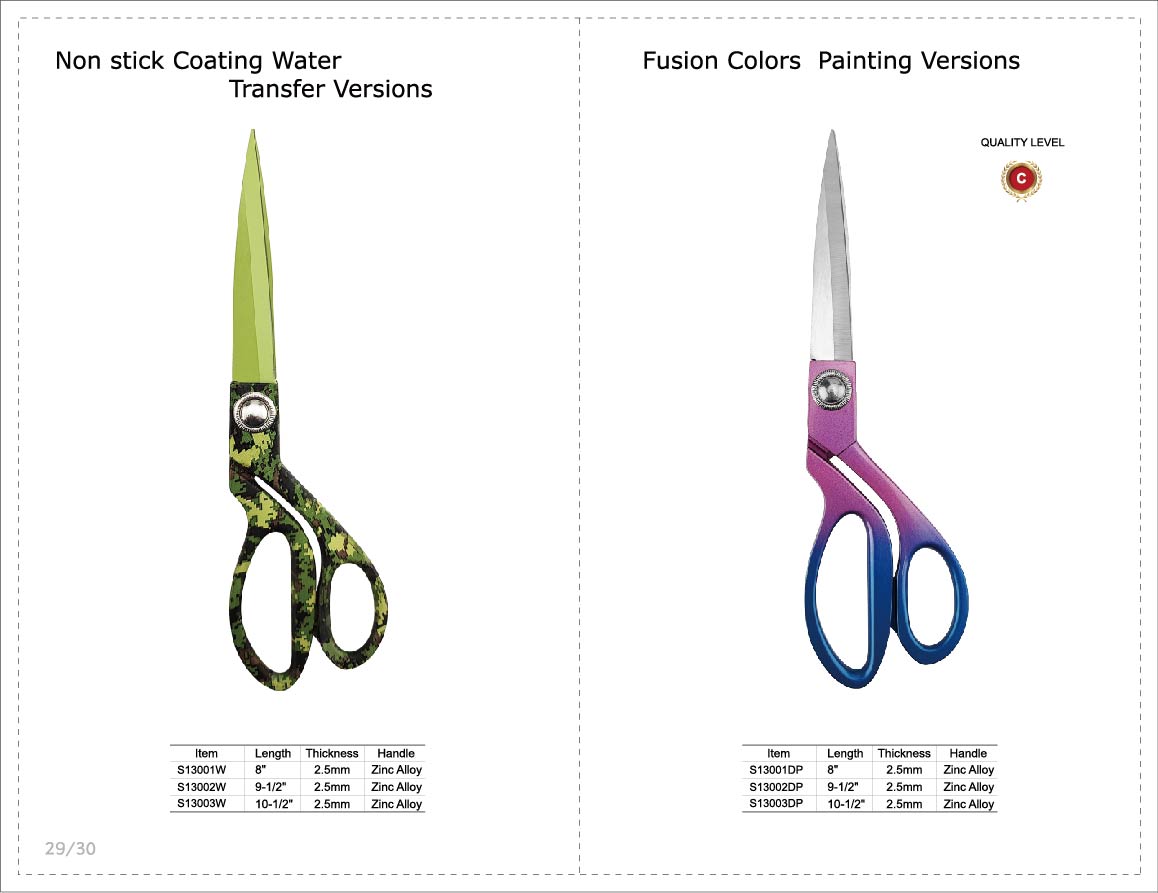
Choosing a sewing shear supplier is not only about finding a low unit price. For tailors, garment workshops, sewing retailers, craft brands, and distributors, the right supplier affects cutting accuracy, customer satisfaction, repeat orders, and after-sales workload. A pair of poorly made shears can snag fabric, create uneven edges, fatigue the hand, or become dull too quickly. A well-selected sourcing partner helps buyers build a more reliable product range and reduce avoidable quality issues.
This guide explains how to evaluate a sewing tools supplier for wholesale, OEM, or regular procurement. It focuses on practical sourcing questions rather than unsupported claims, so buyers can compare options clearly and request the information they need before placing an order.
Key Takeaways
- Start by defining the target user: professional tailor, sewing student, home crafter, retail customer, or workshop operator.
- Ask suppliers to explain blade material, sharpness control, handle options, packaging, and inspection procedures.
- Compare product range carefully, including tailor scissors, pinking shears, thread snips, and specialty sewing scissors.
- For OEM or private label projects, confirm artwork requirements, sample process, lead time, carton details, and order terms in writing.
- Do not rely on photos alone; request samples and test them on the fabrics your customers actually cut.
Start with the Buying Purpose
Before contacting a sewing shear manufacturer or supplier, define how the shears will be sold or used. A retail buyer may need attractive packaging and multiple sizes. A garment factory may prioritize durability, hand comfort, and consistent cutting performance across long shifts. A craft distributor may want several price tiers to serve beginners and experienced users.
Useful questions include: What fabric types will users cut most often? Will the shears be used daily or occasionally? Is the product intended for professional tailoring, classroom kits, home sewing, or promotional bundles? Do you need a single model or a complete sewing tool line? Clear answers help prevent mismatched quotations and make supplier comparisons more meaningful.
What to Check in Sewing Shear Quality
The original sourcing concern is simple: cutting tools must make clean, precise cuts. In practice, buyers should check several details before committing to wholesale quantities. Ask what blade material is used and whether options such as high-carbon stainless steel are available if long-lasting sharpness is important for your market. Do not assume the grade, hardness, or coating from a product photo; request specifications directly from the supplier.
Also evaluate blade alignment, screw tension, edge finishing, opening and closing smoothness, and tip accuracy. Handles should feel secure and comfortable, especially for users who cut fabric for long periods. Weight and balance matter too: a heavier shear may feel stable on thick fabric, while a lighter tool may reduce fatigue for repeated cutting. If possible, compare samples on cotton, denim, felt, lining fabric, and any specialty textiles your customers use.
Supplier, Manufacturer, or Trading Partner?
Many buyers use the terms supplier and manufacturer interchangeably, but they can mean different business models. A sewing shear manufacturer may control production steps directly, while a trading supplier may offer a broader selection from multiple factories. Neither option is automatically better; the right choice depends on your sourcing goals.
| Option | Potential Advantage | Questions to Ask |
|---|---|---|
| Direct manufacturer | May support customization, production feedback, and model development | Which processes are in-house? What inspection steps are used? Can samples be adjusted? |
| Trading supplier | May provide wider product selection and flexible sourcing across categories | How are factories selected? Can product consistency be maintained across orders? |
| Specialized sewing tools supplier | May understand tailoring, craft, and retail assortment needs | Which shear types are available? Can they recommend sizes for different users? |
| OEM/private label partner | May support branding, packaging, and assortment planning | What files are needed? What are the sample, approval, and packaging requirements? |
Build the Right Product Assortment
A strong sewing shear program often includes more than one pair of tailor scissors. Depending on your buyers, you may need classic fabric shears, smaller detail scissors, thread snips, pinking shears, and appliqué scissors. Each tool serves a different purpose. For example, tailor shears are commonly chosen for long fabric cuts, while thread snips are designed for quick trimming at a sewing machine.
When planning an assortment, ask the supplier which blade sizes, handle colors, packaging formats, and product categories are available. If you sell to retailers, consider whether the packaging communicates size and use clearly. If you supply workshops, bulk packing may be more practical. For online sales, confirm product dimensions, net weight, gross weight, carton information, and photos before listing.
How to Evaluate Samples
Sample testing is one of the most important steps in sourcing sewing shears. A sample should be judged under realistic use, not only by appearance. Cut straight lines, curves, and notches. Test full-blade cuts and tip cuts. Open and close the shears repeatedly to check whether the movement remains smooth. Look for burrs, uncomfortable edges, loose screws, uneven handles, or inconsistent finishing.
For B2B buyers, it is helpful to create a simple inspection checklist. Include cutting performance, appearance, packaging condition, labeling accuracy, and any agreed customization. If multiple team members test the sample, record their comments in the same format. This makes it easier to compare suppliers objectively and negotiate improvements before bulk production.
OEM and Wholesale Questions to Ask
If you are sourcing sewing shears for private label, promotional distribution, or long-term wholesale supply, clarify commercial details early. Avoid assuming minimum order quantity, price, lead time, or customization options. These details can vary by model, packaging, order size, and production schedule.
- What shear sizes and product categories are available for quotation?
- What blade material, handle material, and finish options can be provided?
- Can the supplier provide samples before bulk order confirmation?
- What customization options are available for logo, handle color, packaging, or sets?
- What information is required for OEM artwork and packaging approval?
- How are products inspected before shipment?
- What are the packing details, carton dimensions, and shipping marks?
- How are quality issues handled after delivery?
Red Flags When Comparing Suppliers
Some warning signs are easy to miss when buyers focus only on price. Be cautious if a supplier cannot explain product differences, avoids sample testing, gives inconsistent specifications, or provides unclear packaging information. Product photos without measurements are not enough for wholesale purchasing. Likewise, very broad claims about performance should be supported by clear specifications, samples, or agreed inspection standards.
Communication quality is also important. A reliable sourcing partner should answer practical questions directly, confirm details in writing, and help buyers understand available options. For repeat orders, consistency matters as much as the first quotation.
Practical FAQ
What makes a good sewing shear supplier?
A good supplier offers suitable product options, clear specifications, sample support, consistent communication, and reasonable answers about quality control, packaging, and customization.
Should I choose a manufacturer or a trading supplier?
Choose based on your needs. A manufacturer may be suitable for focused OEM development, while a trading supplier may help if you need a broader sewing tools range. Verify capabilities rather than relying on the label.
What should I test before placing a bulk order?
Test cutting smoothness, blade alignment, tip accuracy, handle comfort, screw tension, packaging strength, and consistency across multiple samples if available.
Can sewing shears be customized for private label?
Many sourcing projects ask about logos, packaging, colors, or sets, but availability depends on the supplier and product model. Ask for artwork requirements, samples, lead time, and order terms.
How do I compare quotations fairly?
Compare the same size, material, packaging, quantity, customization level, and shipping terms. A lower price may not be comparable if specifications or inspection standards differ.
Final Sourcing Advice
The best sewing shear supplier for your business is the one that matches your market, quality expectations, and ordering process. Define the user, request clear specifications, test samples, and confirm commercial details before moving to bulk production. With a structured sourcing approach, buyers can reduce risk and build a sewing tools selection that performs well for tailors, retailers, workshops, and sewing enthusiasts.
