




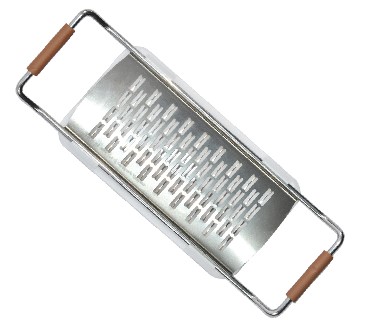
How to Find the Right Kitchenware Supplier for Multi-Blade Grater Sets
Choosing a kitchenware supplier is not only about finding a catalog item at an acceptable price. For retailers, distributors, hospitality buyers, and private-label brands, the supplier decision affects product consistency, packaging, after-sales support, and customer satisfaction. A multi-blade grater set is a useful example because it combines everyday kitchen demand with details that buyers should verify carefully: blade performance, handle comfort, cleaning instructions, replacement parts, and packaging durability.
The original product focus is a stainless steel grater set with six different blades for tasks such as fine zesting, slicing, julienne cutting, grating soft cheese, preparing coleslaw-style shreds, and shredding potatoes. Those features can make the item attractive for both home kitchens and professional prep areas. However, before placing an order, buyers should look beyond the headline features and build a structured supplier evaluation process.
Key Takeaways
- Shortlist kitchenware suppliers based on product fit, communication quality, sampling process, and documented specifications.
- For grater sets, confirm blade functions, material descriptions, cleaning guidance, packaging, and safety-related design details before ordering.
- Do not rely only on product photos; request samples and inspect sharpness, comfort, stability, and finish quality.
- Ask suppliers direct questions about OEM options, lead times, order quantities, carton details, spare parts, and quality checks.
Start With the Buying Scenario
A restaurant buyer may need durable tools that can handle repeated preparation. An online retailer may care more about giftable packaging, clear instructions, and low return rates. A wholesaler may prioritize carton efficiency and consistent replenishment. A private-label brand may need OEM packaging, barcode placement, language versions, and product photography support.
Before contacting any kitchen gadgets supplier, define the intended sales channel, target user, and expected price position. This makes supplier conversations more efficient. Instead of asking for a general quote for kitchen tools, prepare a product brief that explains whether you need a stainless steel grater, a multi-blade set, dishwasher-safe positioning where applicable, retail packaging, bulk packaging, or customized branding. If a detail is essential, ask the supplier to confirm it in writing.
What to Check in a Multi-Blade Grater Set
The source product describes a stainless steel grater with six blade options. A multi-blade format can reduce the need for several separate tools, but buyers should make sure each blade has a clear purpose and performs consistently. For example, a fine blade may be used for citrus zest or spices, while a slicing blade should produce even pieces for salads. A julienne blade can prepare thin vegetable strips, and wider grating blades may be useful for cheese, cabbage, or potatoes.
When reviewing samples, test the grater with common foods rather than judging it only by appearance. Check whether food catches in the blade area, whether the handle remains comfortable during repeated use, and whether the blade insert feels secure. If the product is described as dishwasher safe, ask whether that applies to every component and whether the supplier provides care instructions for end users.
Supplier Comparison Checklist
| Evaluation Area | What to Ask | Why It Matters |
|---|---|---|
| Product specification | Can you confirm material, blade count, dimensions, weight, and included accessories? | Prevents confusion between similar-looking grater models. |
| Sample process | How are samples provided, and will mass production match the approved sample? | Helps buyers verify performance before committing to volume. |
| Blade functions | What food preparation task is each blade designed for? | Supports accurate listings, packaging copy, and customer education. |
| Cleaning guidance | Is the product dishwasher safe, hand-wash recommended, or mixed by component? | Reduces complaints caused by unclear care instructions. |
| Packaging | What are the retail box, inner carton, and master carton options? | Affects shipping cost, shelf presentation, and damage risk. |
| OEM or branding | Can you support logo, packaging artwork, manuals, or barcode placement? | Important for private-label and retail programs. |
| Quality control | What checks are performed before shipment? | Encourages transparency without assuming unverified certifications. |
Questions to Ask Before Placing a Wholesale Order
A reliable kitchenware supplier should be able to answer practical commercial questions clearly. If the answer is vague, ask for written confirmation or supporting photos. Useful questions include:
- What is the exact specification of the stainless steel grater set being quoted?
- Are all six blades included as standard, and are their functions described in the manual or packaging?
- Can the supplier provide a pre-production sample for approval?
- What are the available packaging formats for retail, e-commerce, or bulk distribution?
- What is the expected lead time after artwork approval or order confirmation?
- Are replacement parts, extra blades, or spare packaging components available?
- What product care instructions should be given to end users?
- How does the supplier handle defects, shortages, or shipment damage claims?
These questions do not require the supplier to make unsupported claims. They simply help buyers confirm whether the product and service model fit the order.
How to Evaluate Product Quality Without Overclaiming
Many kitchenware listings use broad words such as durable, professional, or premium. Buyers should translate those terms into measurable checks. For a grater set, inspect the edge finish, blade alignment, handle comfort, insert stability, and ease of cleaning. Look for rough edges, loose parts, thin packaging, unclear instructions, or inconsistent blade labeling. If the supplier describes the product as rust resistant, ask what material is used and what care conditions are recommended.
It is also useful to perform a simple internal sample test. Use the fine blade on citrus peel, the slicing blade on firm vegetables, the julienne blade on carrots or cucumbers, and the coarser blades on cheese, cabbage, or potatoes. Record whether the results are even, whether excessive force is required, and whether cleaning is straightforward. This creates a practical basis for comparison between suppliers.
Packaging, Instructions, and Listing Content
For B2B buyers, packaging is part of the product. A grater set with multiple blades should include clear usage guidance so customers understand which blade to use for which task. If the item is sold online, product pages should show the blade options and explain realistic use cases. If sold in stores, the retail box should communicate the main functions quickly while avoiding unsupported claims.
Ask the supplier whether packaging artwork templates are available, whether instruction sheets can be customized, and whether warning or care language can be adjusted for your market. Do not assume compliance requirements are already covered; clarify what documentation the supplier can provide and what your importing or retail channel requires.
Final Sourcing Advice
The best kitchenware supplier for a multi-blade grater set is the one that can match product performance with dependable communication and transparent order support. A stainless steel grater with six blade options can be a practical, versatile item, but buyers should confirm every important detail before scaling up. Request samples, test them with real ingredients, compare packaging options, and document approved specifications.
When suppliers answer questions clearly and provide consistent samples, buyers can make better decisions for retail, wholesale, hospitality, or OEM programs. The result is a kitchen tool selection that is easier to sell, easier to explain, and better aligned with customer expectations.
FAQ
What should I look for in a kitchenware supplier?
Look for clear specifications, responsive communication, sample availability, packaging options, and a defined quality check process. For wholesale or OEM orders, also ask about lead times, branding support, and order documentation.
Are six-blade grater sets better than single graters?
They can be more versatile because one set may handle zesting, slicing, julienne cutting, and coarse grating. The benefit depends on blade quality, ease of switching parts, cleaning requirements, and the needs of your target customer.
Can I request private-label packaging for a grater set?
Many suppliers may offer OEM or private-label options, but details vary. Ask about artwork requirements, logo placement, packaging materials, barcode placement, minimum quantities, and sample approval steps.
How should I verify dishwasher-safe claims?
Ask the supplier to confirm whether the whole product or only certain components are dishwasher safe. Request written care instructions and test samples under the cleaning conditions your customers are likely to use.
