




Find Your Top Water Filtering Basket Supplier
Choosing a water filtering basket supplier is not only about finding a product that drains water. For retailers, distributors, importers, and private-label buyers, the decision affects product consistency, packaging, customer satisfaction, and long-term supply stability. A good filtering basket should help users rinse fruits, vegetables, noodles, and other foods with less mess, while the supplier should be able to answer clear questions about materials, design options, production process, packaging, and quality control.
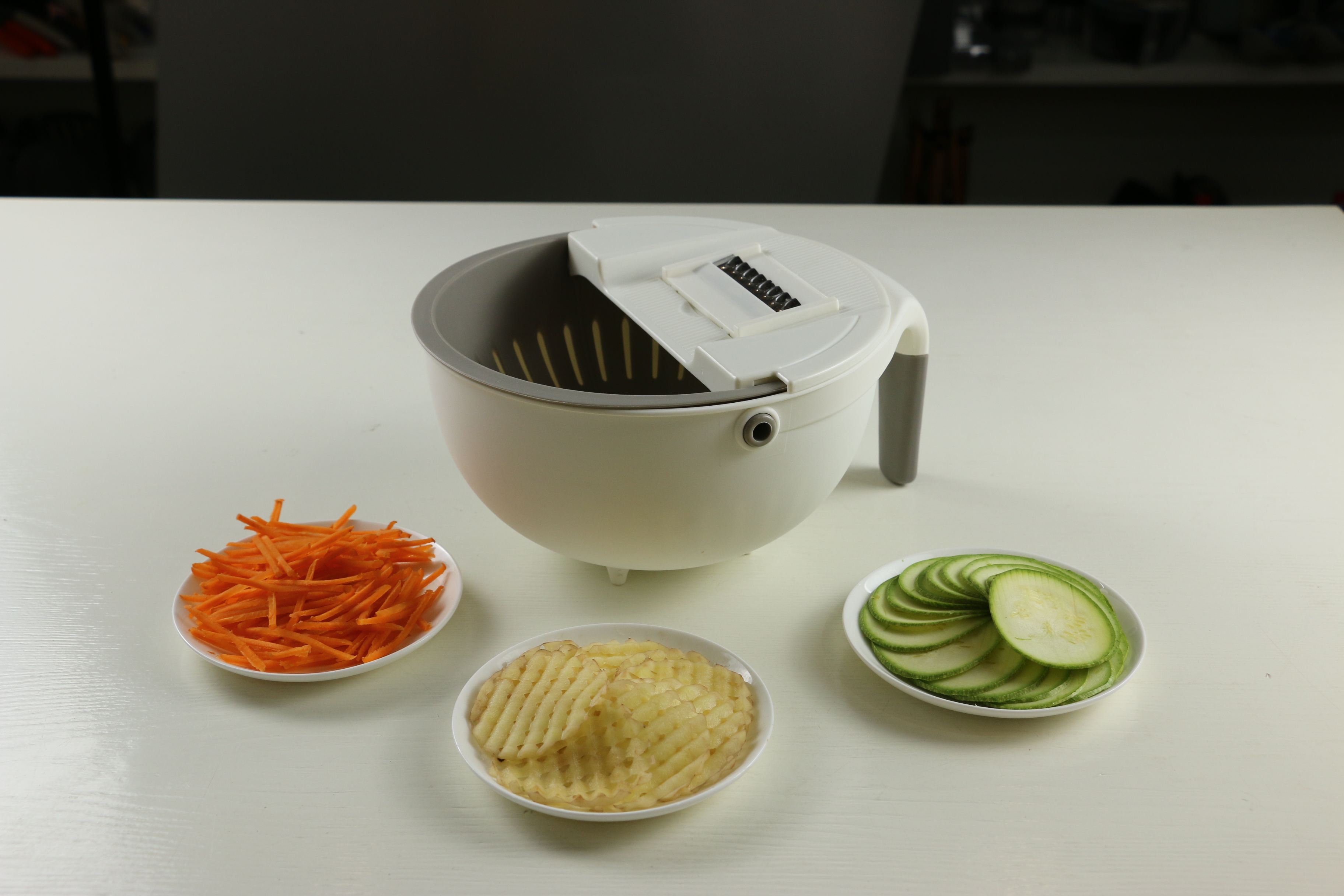
The original product focus includes a multi-functional food grater and slicer set with a colander bowl that can be used for draining and filtering water. It also mentions interchangeable blades, including a straight blade for even slices, a julienne blade for fine cuts, specialized shredding options for cheese or nuts, a ripple cutter for textured finishes, and an ergonomic safety holder. The colander is described as two-toned, with a vibrant orange interior and matte white exterior. These explicit details are useful because they show how a water filtering basket can be part of a broader food preparation set rather than a single-purpose item.
Key Takeaways
- A water filtering basket supplier should be evaluated on product fit, consistency, communication, packaging capability, and quality control transparency.
- Multi-functional sets can combine rinsing, draining, slicing, shredding, and cutting functions, but buyers should verify each feature with samples.
- Do not rely only on catalog photos; request product dimensions, material information, blade details, packaging options, and sample testing guidance.
- For OEM or wholesale orders, ask about customization limits, lead times, order quantities, replacement parts, and inspection procedures.
What a Water Filtering Basket Supplier Should Offer
A suitable supplier should understand the intended use of the product. A basket for rinsing leafy vegetables may need different drainage hole spacing than a colander bowl used inside a grater and slicer set. A compact kitchen accessory may need stable storage, easy cleaning, and safe handling. If the item includes cutting components, the buyer should pay close attention to blade protection, user instructions, and packaging that helps reduce damage during transit.
For B2B sourcing, look for suppliers that can provide structured product information rather than broad promotional claims. Useful information may include product dimensions, component list, color options, packaging layout, carton packing details, care instructions, and available branding methods. If the supplier cannot provide these details at the quotation stage, ask whether they can confirm them before sample approval.
Water Filtering Basket vs. Multi-Functional Prep Set
Some buyers only need a simple filtering basket. Others may prefer a value-added kitchen prep set that includes draining, slicing, grating, and food holding functions. The multi-functional grater and slicer set described in the source content fits the second category because it includes a colander bowl and multiple blade styles. This type of product can appeal to consumers who want fewer separate tools in the kitchen, but it also requires more careful sourcing because there are more components to inspect.
| Product Type | Best For | Buyer Checks |
|---|---|---|
| Basic water filtering basket | Rinsing produce, draining washed food, simple kitchen use | Drainage pattern, grip comfort, stability, cleaning ease, packaging strength |
| Colander bowl in a prep set | Combining washing, draining, slicing, and grating tasks | Fit between bowl and blades, safety holder design, component storage, instructions |
| Vegetable cutting basket or slicer set | Preparing vegetables with interchangeable cutting options | Blade types, cutting consistency, hand protection, replacement component policy |
| OEM kitchen accessory set | Private-label retail, promotional channels, regional product ranges | Logo options, packaging artwork process, sample approval, inspection standards |
How to Evaluate Product Design and Usability
Product usability can be assessed through samples and simple kitchen testing. For a water filtering basket, check whether water drains quickly without trapping food pieces. Test common foods such as lettuce, tomatoes, grapes, and cut vegetables. If the product is part of a grater and slicer set, test each interchangeable blade separately. The straight blade should be assessed for slice consistency, the julienne blade for cut width and smoothness, shredding options for cheese or nuts where appropriate, and the ripple cutter for the intended textured finish.
The ergonomic safety holder mentioned in the original article is an important feature to verify in practice. Buyers should check whether it is comfortable to hold, whether it grips food securely, and whether the instruction sheet clearly explains safe use. A supplier should avoid vague safety statements and instead provide practical usage guidance, clear warnings, and component diagrams where needed.
Questions to Ask Before Choosing a Supplier
Before placing a wholesale or OEM order, buyers should prepare a checklist. The goal is not to pressure the supplier, but to confirm that both sides understand the product, the order requirements, and the quality expectations. Useful sourcing questions include:
- What materials are used for the basket, bowl, holder, and blades, and can these details be confirmed in writing?
- What are the exact product dimensions and component weights?
- Can the supplier provide a full component list for the grater, slicer, colander bowl, and blade accessories?
- Are the orange interior and matte white exterior standard colors, or can colors be customized?
- What packaging formats are available for retail, e-commerce, or bulk distribution?
- What is the sample process, and how long does sample preparation usually take?
- What quality checks are performed before shipment, and can inspection photos or reports be provided?
- Are replacement parts, extra blades, or revised instruction sheets available if required?
- What are the supplier's MOQ, lead time, and payment terms for the specific order?
- Can the supplier support OEM artwork, barcode placement, and carton labeling?
Working with a Vegetable Cutting Basket Supplier
A vegetable cutting basket supplier may offer products that overlap with water filtering baskets, especially when the design combines rinsing and cutting functions. For buyers, the advantage is the possibility of building a coordinated kitchen accessories range. A distributor may source a basic colander, a vegetable cutting basket, and a multi-functional grater and slicer set from the same supplier if product quality and communication are consistent.
However, product complexity increases risk. More blades, moving parts, and accessories mean more points of inspection. When evaluating a vegetable cutting basket supplier, request assembled and unassembled sample photos, user manuals, packaging mockups, and details about how sharp components are protected. If the product will be sold online, ask for accurate product images and clear descriptions that do not overstate performance.
OEM, Wholesale, and Packaging Considerations
For OEM buyers, packaging is often as important as the product itself. A kitchen accessory set with a colander bowl, blades, holder, and cutter components needs packaging that keeps parts organized and protects sharp edges. Retail packaging should explain the functions clearly without creating unrealistic expectations. E-commerce packaging may require additional drop protection, depending on the sales channel and shipping method.
Private-label buyers should ask whether the supplier can support logo placement, custom colors, instruction sheet edits, and carton marks. These capabilities should be confirmed during sampling, not after mass production starts. If the supplier offers several related products, buyers can also ask whether packaging design can be coordinated across a product line to improve shelf presentation and brand consistency.
Practical FAQ
What is the difference between a water filtering basket and a colander bowl?
A water filtering basket is a general term for a tool used to rinse and drain food. A colander bowl is a bowl-shaped draining component. In a multi-functional prep set, the colander bowl may also support slicing or grating accessories.
Should I choose a simple basket or a grater and slicer set?
Choose a simple basket if your customers mainly need rinsing and draining. Choose a grater and slicer set if your target market wants a compact food preparation tool with blades, shredding options, and a draining bowl.
How can I check supplier quality before ordering?
Request samples, test all components, review packaging, ask for written product details, and confirm inspection steps. For complex items, test the blades, safety holder, bowl fit, and cleaning process.
Can I ask for custom colors or branding?
Yes, but availability depends on the supplier. Ask about color options, logo methods, packaging artwork, MOQ, lead time, and any sample fees before confirming an OEM order.
What details should not be assumed?
Do not assume material grade, certifications, compliance status, MOQ, production capacity, or test results unless the supplier provides verified information for the exact product and order.
Final Sourcing Advice
The best water filtering basket supplier is the one that matches your target market, answers technical questions clearly, and supports a reliable sample-to-order process. If you are sourcing a multi-functional grater and slicer set with a two-toned colander bowl, interchangeable blades, ripple cutter, shredding options, and a safety holder, inspect each component carefully. A thoughtful sourcing process helps buyers reduce misunderstandings, improve product listings, and choose kitchen accessories that customers can use with confidence.
