




Finding the Perfect Sharpener Factory: Quality & Suppliers
Choosing a sharpener factory is not only about finding a low unit price. For wholesalers, importers, kitchenware brands, and OEM buyers, the real goal is to identify a supplier that can deliver consistent product quality, clear communication, and practical support before and after production. A knife sharpener is a simple-looking tool, but buyer satisfaction depends on details such as sharpening performance, stability during use, grip comfort, packaging quality, and how well the supplier controls production variation.
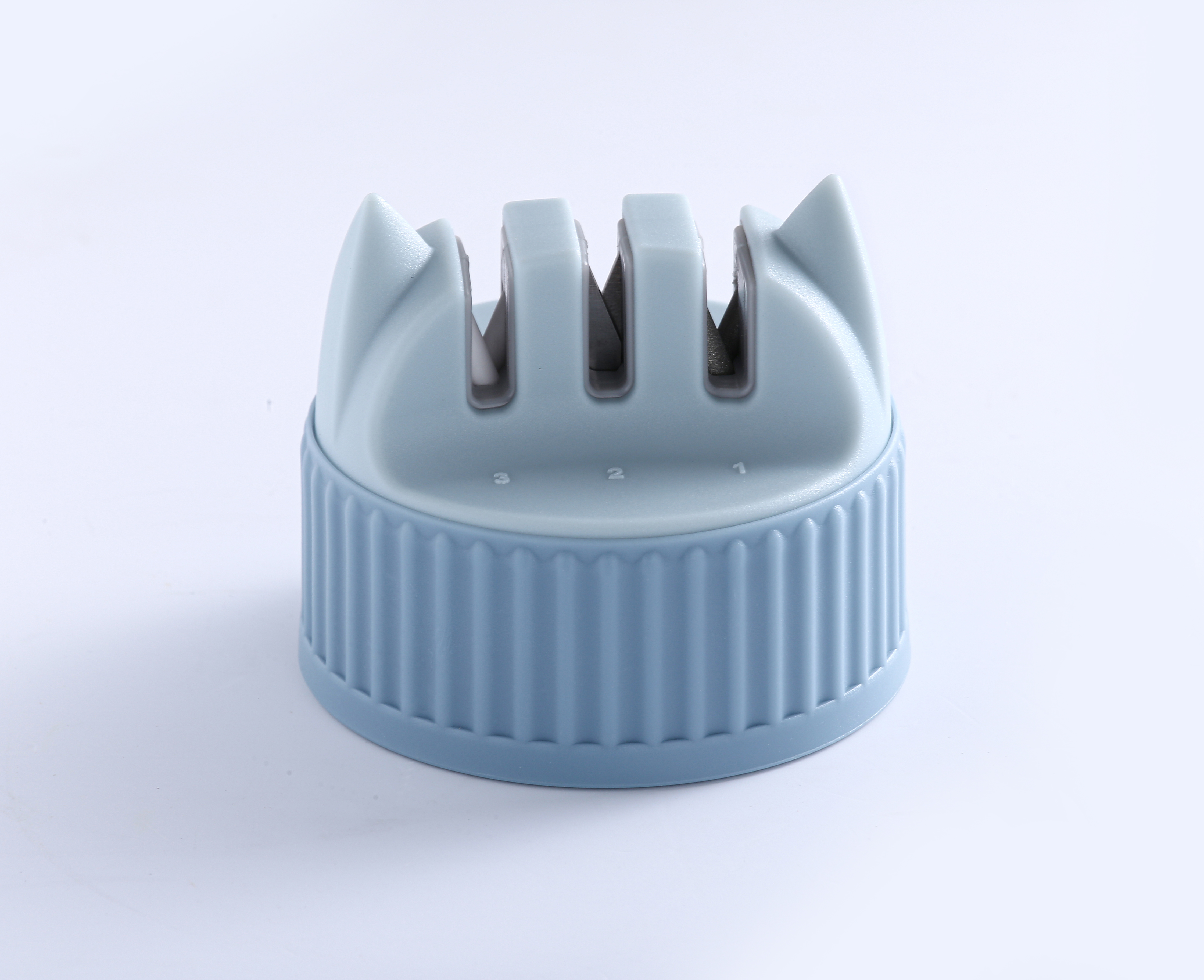
The original article highlighted the Mint Blue Knife Sharpener as an example of a high-quality sharpener with a chic design, a three-stage sharpening system, an ergonomic compact form, and a non-slip base. Those are useful product points, but sourcing teams need a broader method for checking whether a factory can supply products like this reliably. This guide explains how to evaluate sharpener suppliers, what questions to ask, and how to compare options before placing an order.
Key Takeaways
- A reliable sharpener factory should be assessed on product consistency, communication, sample quality, packaging, and problem-solving ability.
- For three-stage sharpeners, buyers should confirm how each stage works: rough grind, medium grind, and final polishing.
- Do not rely only on catalog photos. Request samples and check stability, grip comfort, finish, and ease of use.
- Commercial details such as MOQ, lead time, customization options, and testing documents should be confirmed directly with the supplier.
What Makes a Good Sharpener Factory?
A good sharpener factory supports both product quality and sourcing efficiency. Buyers should look for evidence that the supplier understands the intended market, usage scenario, and product positioning. A sharpener for household retail channels may need different packaging, instructions, and appearance standards than a sharpener sold through professional kitchenware distributors.
Start by asking how the factory manages incoming materials, assembly, finishing, and final inspection. The factory does not need to disclose confidential processes, but it should be able to explain its quality-control flow in practical terms. Ask whether inspections include functional sharpening checks, visual appearance checks, base stability checks, and packaging checks. If the supplier cannot clearly describe how it prevents defects, that is a warning sign.
Communication is also part of quality. A supplier that responds clearly to drawings, photos, sample feedback, and packaging revisions is usually easier to work with than one that only answers with general promises. For B2B sourcing, the best factory relationship is built on specific questions and documented answers.
Understanding High-Quality Sharpeners
High-quality sharpeners should be easy to understand, stable in use, and suitable for the blades they are intended to maintain. The Mint Blue Knife Sharpener described in the source article uses a three-stage sharpening system. This type of structure commonly separates the sharpening process into a rough grind, a medium grind, and a polishing stage. The goal is to help users address different levels of dullness instead of treating every blade the same way.
When evaluating similar products, do not judge only the number of stages. Ask the supplier what each slot is designed to do, which blade types are appropriate, and whether there are usage limitations. Buyers should also check if the instruction manual explains the sharpening direction, recommended pressure, and safety warnings clearly. A product that performs well but confuses users may still create complaints in retail channels.
Physical usability matters as much as sharpening performance. The original article notes that the Mint Blue Knife Sharpener has an ergonomic and compact design, along with a non-slip base. For product selection, these are important details because users need a stable tool that can be stored easily and handled comfortably.
Supplier Evaluation Checklist
Before selecting a sharpener supplier, compare candidates using a structured checklist. This helps purchasing teams avoid decisions based only on price or a polished catalog page.
| Evaluation Area | What to Check | Questions to Ask the Supplier |
|---|---|---|
| Product sample | Finish, stability, grip comfort, sharpening result, packaging condition | Can you provide pre-production samples for approval? |
| Sharpening system | Function of each stage, user instructions, suitable blade types | What does each sharpening slot do, and what limitations should users know? |
| Quality control | Incoming checks, in-process checks, final inspection method | What inspection steps are used before shipment? |
| Customization | Color, branding, packaging, instruction sheet options | Which customization options are available, and what are the requirements? |
| Commercial terms | MOQ, lead time, payment terms, sample cost, carton details | What are the current order requirements and production timelines? |
| Documentation | Product photos, specifications, available test or compliance documents | Which documents can you provide for the target market? |
How to Review Samples Before Ordering
Sample testing is one of the most important steps in sharpener sourcing. Even if a factory appears reliable, the sample must match your product expectations. Inspect the product under normal lighting and check whether the color, surface finish, and assembly are consistent. For a compact product such as the Mint Blue Knife Sharpener, small appearance issues may be noticeable on a retail shelf.
Next, test handling. Place the sharpener on a flat surface and check whether the non-slip base helps keep the unit steady. Hold the product as a typical user would and note whether the shape feels comfortable and secure. If the product is meant for home kitchens, ease of use and storage convenience are strong selling factors. If it is meant for professional or wholesale channels, durability expectations may be higher, so clarify the intended use with the supplier.
Finally, test the sharpening process carefully and safely. Use appropriate knives and follow the supplier’s instructions. Record whether the three stages feel clear and whether the polishing stage leaves a smooth result. If the supplier provides no clear user guidance, request revised instructions before confirming production.
Questions B2B Buyers Should Ask a Sharpener Supplier
Clear questions reduce sourcing risk. Buyers should ask practical, documented questions before moving from sample approval to mass production.
- What materials and components are used in the product, and can they be confirmed in writing?
- What blade types is the sharpener designed for, and which blades should not be used?
- Can the supplier provide packaging artwork templates and instruction manual support?
- What are the current MOQ, lead time, sample policy, and customization requirements?
- How does the factory handle quality issues found before shipment or after delivery?
- Can the supplier provide product photos, carton information, and available documentation for the target market?
Avoid assuming that all suppliers offer the same options. Color changes, logo placement, private label packaging, and carton requirements may depend on order quantity or production conditions. Confirm these details in writing before issuing a purchase order.
Balancing Design, Function, and Market Fit
The best sharpener for one buyer is not always the best sharpener for another. A retailer may prioritize a clean design, attractive color, simple packaging, and easy consumer instructions. A distributor may focus on consistent stock availability, carton durability, and fewer after-sales issues. A brand owner may care most about customization and long-term product consistency.
The Mint Blue Knife Sharpener is described as having a chic design, a compact ergonomic body, a three-stage system, and a non-slip base. These attributes can support consumer appeal, but buyers should still compare the product against their own channel needs. For example, if the product will be sold online, packaging must survive parcel delivery and product instructions should reduce negative reviews. If sold in stores, shelf presentation and barcode placement may become more important.
Practical FAQ
How do I know if a sharpener factory is reliable?
Look for clear communication, consistent samples, a documented inspection process, and willingness to answer specific technical and commercial questions. Reliability is shown through actions, not only through promotional claims.
Is a three-stage knife sharpener better than a single-stage model?
A three-stage sharpener can be useful because it separates rough grinding, medium grinding, and polishing. However, suitability depends on blade type, user instructions, and the quality of the product design.
What should I check first in a sharpener sample?
Check stability, ease of grip, surface finish, packaging condition, and whether each sharpening stage is clearly explained. If the product has a non-slip base, test it on a flat kitchen-like surface.
Should I ask for compliance or testing documents?
Yes. Requirements vary by market and sales channel, so ask the supplier what documents are available and whether they match your destination market’s needs. Do not assume documents exist unless the supplier provides them.
Can a sharpener supplier support OEM or private label orders?
Some suppliers may support branding, color, packaging, or instruction changes, but the available options depend on the supplier’s process and order requirements. Ask about MOQ, lead time, artwork requirements, and sample approval steps.
Final Sourcing Advice
Finding the perfect sharpener factory means combining product evaluation with supplier evaluation. A sharpener should be practical, stable, easy to use, and suitable for the intended customer. A supplier should provide clear answers, consistent samples, and realistic commercial terms. By using a checklist, testing samples carefully, and confirming details in writing, buyers can reduce risk and select sharpeners that fit their market instead of relying on generic supplier claims.
