




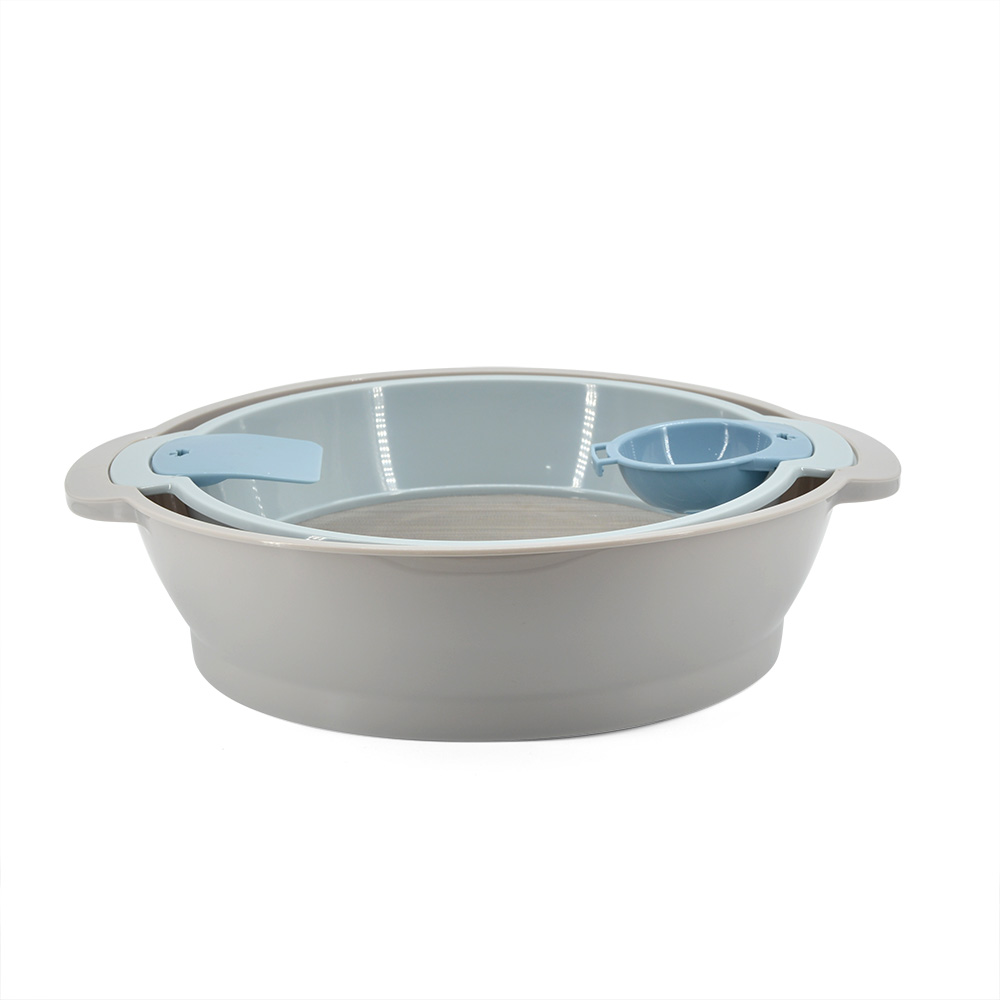
Flour Sifter Factory: How to Source Quality Baking Tools
For bakeries, kitchenware distributors, private-label brands, and hospitality buyers, a flour sifter is a simple tool with a practical job: separating and aerating flour so baking mixes become more consistent. The original article rightly noted that flour sifter factories and suppliers both matter. Factories make the tools, while suppliers help move different models into retail, wholesale, and professional channels. For B2B buyers, however, the key question is not only whether a sifter works, but whether a supplier can deliver consistent quality, clear communication, and suitable options for the target market.
This guide explains how to evaluate a flour sifter factory or supplier without relying on vague claims. It focuses on sourcing questions, product comparison, packaging considerations, and quality checks that buyers can use when reviewing samples or planning wholesale orders.
Key Takeaways
- A flour sifter should separate lumps and aerate flour evenly, but buyers should confirm performance through samples.
- Factories and suppliers play different roles; clarify who controls production, inspection, customization, and shipment.
- Do not assume material grade, capacity, certifications, or compliance status. Ask for documentation when it matters to your market.
- Compare sifter style, mesh performance, handle comfort, packaging, and after-sales communication before placing a larger order.
- For OEM or private-label projects, confirm artwork requirements, labeling rules, sample approval steps, and production lead times.
What a Flour Sifter Factory Does
A flour sifter factory is responsible for turning raw materials and components into finished kitchen tools. Depending on its business model, a factory may handle forming, mesh assembly, handle fitting, surface finishing, inspection, and packing. Some factories work mainly from standard catalog items, while others may support OEM or private-label production. Buyers should ask which processes are completed in-house and which are outsourced, because this affects quality control and communication speed.
The value of a factory is not only in making a product. A good production partner should be able to explain how the sifter is assembled, what inspection points are used, how defects are handled, and what information is needed to quote accurately. If a supplier cannot answer basic questions about construction, packaging, and quality standards, buyers should slow down and request more detail before committing.
How Flour Sifter Suppliers Support Buyers
Flour sifter suppliers connect factories with buyers and distribution channels. Some suppliers are trading companies, some are factory sales teams, and some combine both roles. A supplier may help source different models, manage small mixed orders, arrange export documents, coordinate packaging, or support communication between the buyer and the factory.
When dealing with a supplier, ask whether they are the manufacturer, an authorized sales channel, or a sourcing partner. None of these roles is automatically better than the others, but transparency matters. A distributor buying for retail shelves may value broad product selection and flexible packing. A brand owner planning OEM work may prefer closer factory access and clearer control over samples, molds, artwork, and inspection.
Comparing Common Flour Sifter Options
Before choosing a supplier, define the product type your market needs. A home baking customer may value easy operation and cleaning. A professional kitchen may focus on durability, speed, and repeatable results. Because specifications vary by manufacturer, the table below should be used as a comparison checklist rather than a statement of fixed product features.
| Selection point | What to compare | Questions to ask the supplier |
|---|---|---|
| Sifter mechanism | Hand-crank, squeeze-handle, or other operation styles | Which mechanism is available, and can samples be tested before order confirmation? |
| Mesh performance | How evenly flour is separated and aerated | What mesh options are offered, and what flour or powder types are suitable? |
| Body material | Material type, thickness, finish, and contact-surface suitability | What material is used, and can the supplier provide supporting documents if required? |
| Capacity and size | Product dimensions and usable volume | What sizes are available, and are measurements shown clearly in the quotation? |
| Packaging | Bulk pack, color box, label, barcode, or private-label carton | What packaging options are available, and who supplies artwork or dielines? |
| Inspection | Appearance, function, assembly, and packing checks | What quality checks are performed, and can buyer inspection be arranged? |
Quality Checks Buyers Should Request
A flour sifter seems straightforward, but small details can affect user satisfaction. When reviewing samples, check whether the mechanism moves smoothly, whether the mesh is firmly fitted, whether edges are safe to handle, and whether the product stands evenly if it has a flat base. Also test the sifter with a realistic amount of flour instead of judging it only by appearance.
For wholesale purchasing, ask the supplier how they define acceptable and unacceptable defects. Common review points may include dents, scratches, loose parts, rough edges, poor printing, deformed packaging, or inconsistent operation. If the product will be sold in a regulated market, ask what documentation is available and whether it matches the destination country’s requirements. Do not rely on general statements such as “food safe” or “export quality” without evidence when compliance is important.
OEM and Private-Label Considerations
For brands sourcing OEM flour sifters, preparation makes the quoting process faster. Provide the supplier with target style, size, material expectations, packaging format, logo position, order quantity estimate, destination market, and any testing or documentation needs. If you are unsure about material or regulatory requirements, state the market where the product will be sold and ask what documents the supplier can provide for review.
Buyers should also clarify sample fees, sample lead time, artwork approval steps, pre-production sample requirements, and who pays for changes if a sample does not match the confirmed specification. For private-label packaging, request photos or physical samples of similar packaging quality, but avoid copying another brand’s design. Clear written approval of the final sample can reduce disputes later.
Commercial Questions to Ask Before Ordering
Because capacity, MOQ, price, and lead time vary by factory and supplier, buyers should request current details instead of assuming standard terms. Useful questions include:
- What is the current minimum order quantity for each model and packaging type?
- Can mixed models or colors be combined in one shipment?
- What is the estimated production lead time after sample and artwork approval?
- Which trade terms are available, and what costs are included in the quotation?
- How are cartons packed, and can the supplier provide carton dimensions and weight?
- What happens if inspection finds defects before shipment?
- Can replacement parts, spare packaging, or after-sales support be provided?
Put important answers in writing. A professional supplier should welcome clear specifications because they reduce misunderstanding and help both sides plan production accurately.
Practical FAQ
What does a flour sifter do?
A flour sifter separates lumps and aerates flour or similar dry ingredients. This can help create a more even mixture before baking, especially when recipes require dry ingredients to be combined smoothly.
Is it better to buy from a factory or a supplier?
It depends on your sourcing needs. A factory may offer direct production knowledge, while a supplier may provide broader model selection, export support, or smaller mixed orders. The best choice is the one that can provide clear specifications, samples, inspection support, and reliable communication.
What should I check in a flour sifter sample?
Check the operating mechanism, mesh fit, edge finish, body shape, packaging, and actual sifting performance. Test it with flour rather than judging only by photos.
Can flour sifters be customized for private label?
Many kitchenware products can be customized, but available options depend on the supplier. Ask about logo placement, packaging artwork, carton marks, sample approval, MOQ, and any added cost before planning a private-label launch.
What information is needed for an accurate wholesale quote?
Provide product style, size, material expectations, packaging needs, quantity, destination country, shipping terms, and documentation requirements. The more specific the request, the easier it is for the supplier to quote accurately.
Final Sourcing Advice
A flour sifter factory can be an important partner for baking-tool buyers, but sourcing success depends on more than finding a low unit price. Evaluate the product, the supplier’s transparency, the sample process, packaging quality, and inspection plan. Ask direct questions about the details that affect your market, and avoid assuming unverified claims. With careful comparison and practical testing, buyers can choose flour sifters that support consistent baking results and dependable wholesale supply.
