




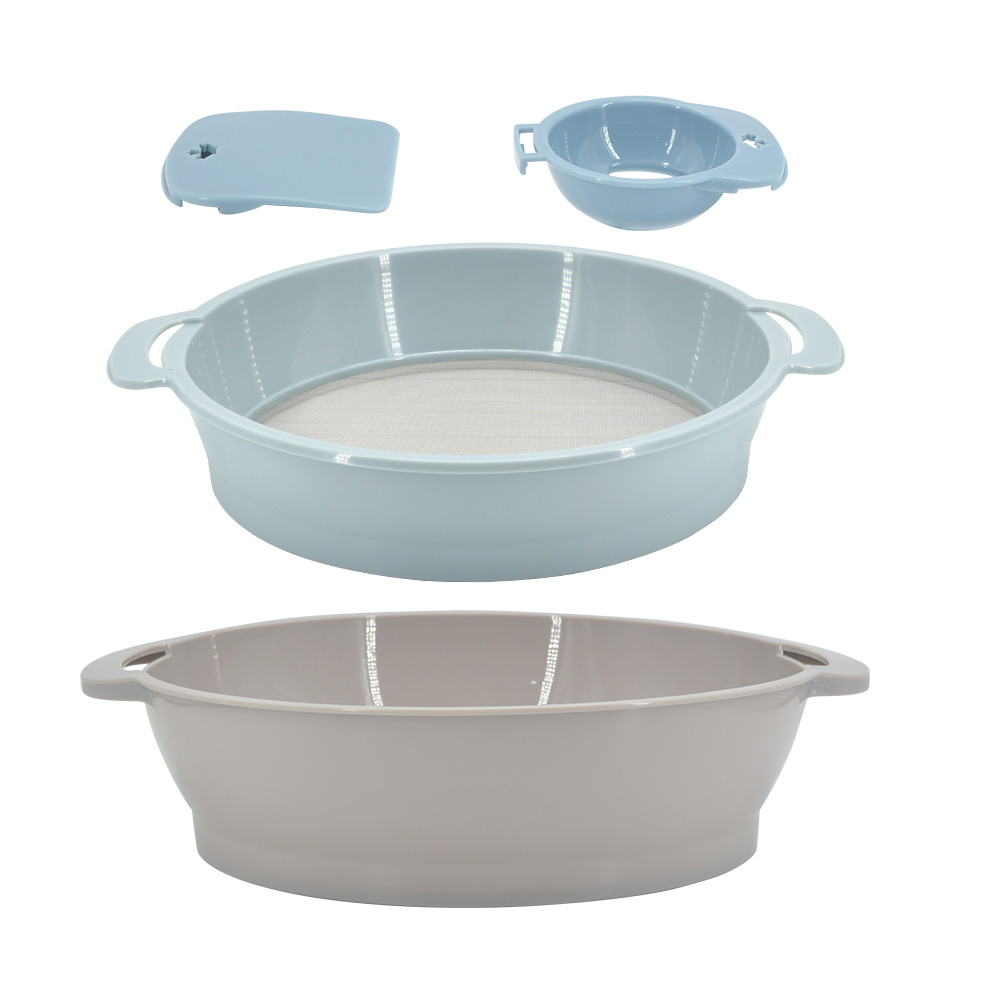
Flour Sifter Factory: How to Choose Manufacturers and Suppliers
A flour sifter is a simple baking tool, but sourcing it at wholesale or OEM level requires more than choosing a good-looking product photo. Retailers, kitchenware brands, distributors, and promotional buyers need to compare factories on product consistency, packaging options, communication, sample handling, and long-term reliability. The original article noted that flour sifter factories support the baking tools market and that China flour sifter manufacturers have become visible global suppliers. This expanded guide explains how to evaluate those suppliers with practical, business-focused criteria.
Key Takeaways
- Start with the exact product type, target price range, packaging needs, and order channel before contacting factories.
- Ask suppliers to confirm materials, dimensions, finishing, packing method, and testing approach instead of assuming specifications from photos.
- Request samples and compare usability, surface finish, mesh performance, handle comfort, cleaning ease, and carton protection.
- For OEM or private label orders, clarify artwork rules, logo method, lead time, inspection process, and replacement policy in writing.
What a Flour Sifter Factory Typically Provides
A flour sifter factory usually focuses on producing tools that help bakers aerate flour, break up small lumps, and distribute dry ingredients more evenly. Depending on the supplier, available products may include hand-crank sifters, squeeze-handle sifters, cup-style sifters, sieve-style sifters, or related baking accessories. Some suppliers sell standard wholesale items, while others may offer packaging customization or private label services.
Buyers should not assume that every factory offers the same scope. Before requesting a quotation, prepare a short product brief. Include the intended market, quantity estimate, preferred style, packaging format, barcode needs, and whether the product is for retail shelves, e-commerce, foodservice, or gift sets. A clear brief helps the supplier quote more accurately and reduces repeated negotiation.
Why China Flour Sifter Manufacturers Are Commonly Considered
China flour sifter manufacturers are frequently included in global sourcing searches because many kitchenware supply chains are concentrated in China. The original article highlighted their growing role, attention to product design, and efficient production methods. For buyers, the practical advantage is the ability to compare many factories, trading companies, and mixed product suppliers in one sourcing region.
However, a broad supplier base also means quality levels can vary. One factory may specialize in metal kitchen tools, while another may mainly assemble assorted household items. Some suppliers may have strong export communication, while others may be better suited to domestic or small-batch trade. The goal is not to choose the cheapest contact, but to identify the supplier whose product, service level, and documentation match your sales channel.
Supplier Comparison Checklist
Use the checklist below when comparing a flour sifting machine supplier or wholesale flour sifter factory. It keeps the discussion practical and helps buyers avoid vague promises.
| Area to Check | Questions to Ask | Why It Matters |
|---|---|---|
| Product details | What are the confirmed size, material, finish, mesh type, and handle mechanism? | Prevents misunderstandings between sample photos and bulk production. |
| Samples | Can you provide current samples, and will the bulk order match them? | Samples allow hands-on checks before committing to larger orders. |
| Packaging | What retail box, color box, label, carton, or e-commerce packing options are available? | Packaging affects shelf presentation, shipping protection, and fulfillment costs. |
| Quality control | What inspection steps are used before shipment, and can photos or reports be shared? | Clarifies how defects, deformation, scratches, and packing errors are controlled. |
| Commercial terms | What are the MOQ, lead time, payment terms, and replacement policy? | These details determine whether the supplier fits your purchasing plan. |
How to Evaluate Product Quality Before Ordering
Flour sifters look uncomplicated, but small details affect customer satisfaction. When reviewing a sample, check whether the edges feel smooth, the body keeps its shape, and the moving parts operate without sticking. Test the sifter with ordinary flour and observe whether the mesh releases flour evenly. If it is a squeeze-handle or crank model, repeat the action several times to see whether the motion remains comfortable.
Cleaning is another practical factor. The original article mentioned lightweight and easy-cleaning benefits as desirable supplier features. Instead of accepting this as a general claim, ask the supplier how the item should be cleaned and whether any parts are difficult to reach. If your target customers use dishwashers, request written guidance from the supplier rather than assuming dishwasher suitability.
OEM, Private Label, and Wholesale Buying Points
For brands and importers, OEM details should be confirmed early. Ask whether the supplier can apply a logo, create a private label package, adjust colors, or support a custom set. If customization is available, request artwork templates, file requirements, sample approval steps, and the point at which changes are no longer possible.
Wholesale buyers should also define how the product will be sold. A flour sifter for a supermarket may need different packaging than one sold through online marketplaces. E-commerce packaging may need stronger protection against dents or crushed boxes. Gift set buyers may care more about coordinated appearance and insert layout. These needs should be discussed with the factory before pricing is finalized.
Questions to Ask a Flour Sifting Machine Supplier
- Are you the manufacturer, a trading company, or a supplier working with partner factories?
- Which flour sifter styles are currently in regular production?
- What product information can you confirm in writing before sampling?
- Can the sample be retained as the approved production reference?
- What packaging options are available for retail, wholesale, and online sales?
- How are surface defects, handle function, mesh condition, and carton packing checked?
- What are the current MOQ, production lead time, and shipping carton details?
- How are after-sales issues handled if defects are found after delivery?
Red Flags When Comparing Factories
Be cautious if a supplier cannot confirm basic product details, avoids sample requests, or changes specifications without clear notice. Very low quotations may exclude proper packaging, inspection, or consistent materials. Another warning sign is overpromising: if a supplier claims every certification, every customization option, and immediate delivery without documentation, verify carefully before paying a deposit.
Good sourcing is built on documented communication. Keep records of approved samples, packaging artwork, quantity, carton marks, inspection expectations, and agreed timelines. This protects both buyer and supplier and reduces disputes during production.
Practical FAQ
What is the difference between a flour sifter factory and a supplier?
A factory produces the item directly, while a supplier may be a factory, trading company, distributor, or sourcing partner. Ask the company to clarify its role and what it controls directly.
Should I buy from a China flour sifter manufacturer?
China is a common sourcing region for kitchenware, and many buyers compare Chinese manufacturers for flour sifters. The right choice depends on sample quality, communication, packaging support, commercial terms, and consistency.
What should I check in a flour sifter sample?
Check the body shape, edge finish, handle or crank function, mesh performance, ease of cleaning, packaging strength, and whether the sample matches the supplier’s written specifications.
Can flour sifters be customized for private label orders?
Some suppliers may offer logo, label, or packaging customization, but options vary. Ask about MOQ, artwork requirements, sample approval, lead time, and any additional cost before confirming an order.
How do I reduce risk before placing a bulk order?
Use a written specification sheet, approve a physical sample, confirm packaging, ask about inspection steps, and agree on how defects or shortages will be handled after shipment.
