




Flour Sifter Factory: How to Source the Right Baking Tool Supplier
A flour sifter looks like a simple baking tool, but for wholesalers, kitchenware brands, importers, and hospitality buyers, choosing the right flour sifter factory requires careful evaluation. The goal is not only to find a product that sifts flour smoothly, but also to work with a supplier that can support consistent quality, practical packaging, clear communication, and repeatable production.
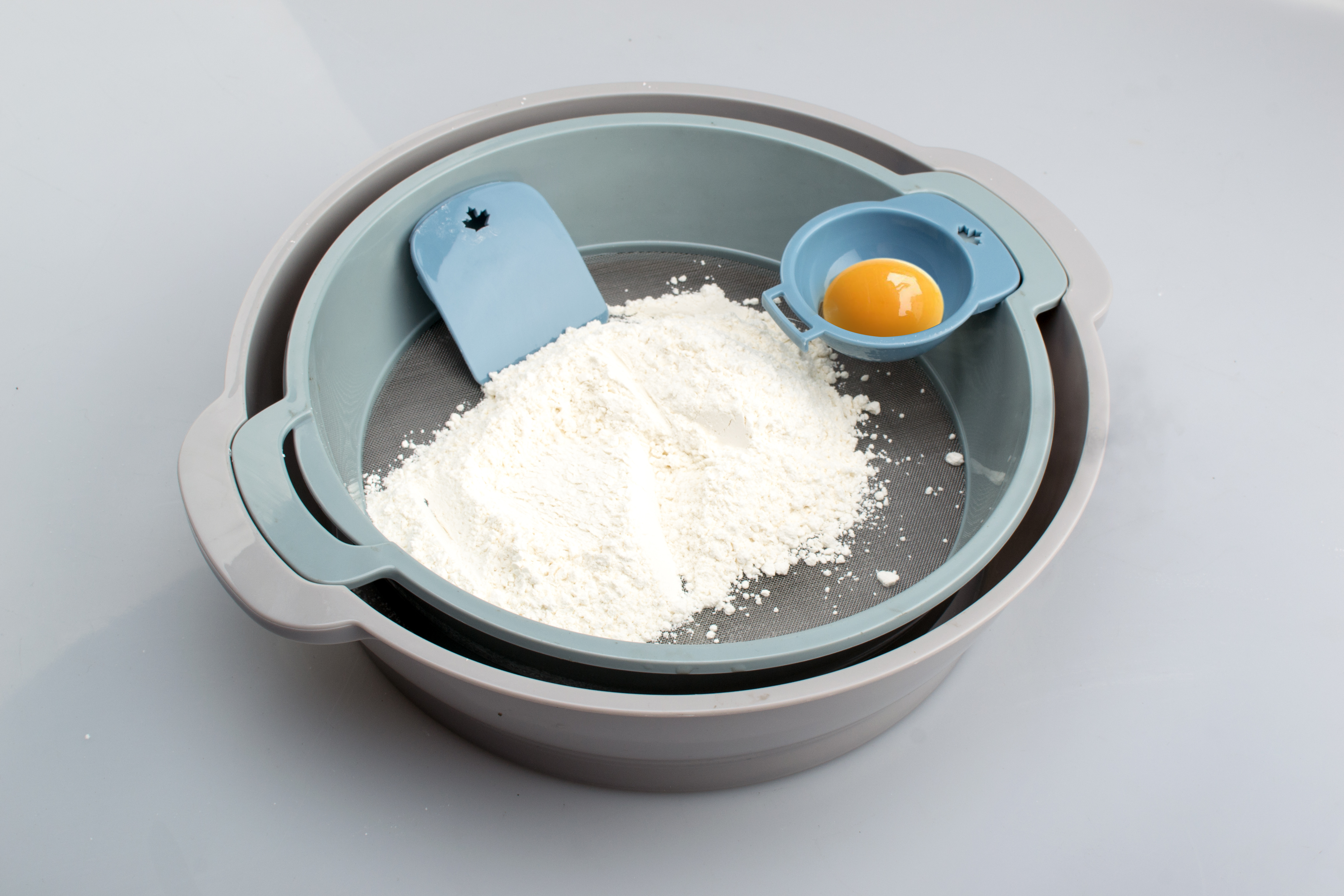
The original article highlighted an important point: sifting helps make flour smoother and more aerated, supporting lighter baked goods. It also noted that buyers may consider China flour sifter manufacturers, manual sifters, companion bowls, stackable designs, spatulas, yolk separators, and larger flour sifting machines depending on the application. This expanded guide turns those ideas into a practical sourcing checklist for B2B buyers.
Key Takeaways
- A flour sifter factory should be assessed on product consistency, communication, packaging support, and inspection readiness.
- Manual flour sifters are suitable for home baking, retail kitchenware ranges, and smaller-volume use.
- Flour sifting machines may suit bakeries, foodservice operators, or buyers handling larger volumes.
- Do not assume materials, certifications, capacity, or compliance claims; request documents and samples from the supplier.
- Before placing a wholesale or OEM order, confirm drawings, samples, carton details, labeling, and quality standards in writing.
What a Flour Sifter Factory Actually Provides
A flour sifter factory typically focuses on producing tools that separate lumps, aerate dry ingredients, and make flour easier to incorporate into recipes. In a wholesale context, the factory may offer standard products, custom packaging, private-label support, or product variations. However, these services vary by supplier, so buyers should verify each requirement instead of assuming it is available.
For retail kitchenware lines, the most common sourcing priorities include comfortable operation, easy cleaning, stable construction, efficient sifting, and a size that fits consumer use. For commercial or semi-commercial buyers, durability, throughput, replacement parts, and ease of maintenance may become more important. A good sourcing process starts by matching the sifter type to the buyer’s real use case.
Manual Flour Sifters vs. Flour Sifting Machines
The original article mentioned both compact hand-held options and larger automated machines. These products serve different markets. A hand-operated flour sifter is often chosen for home baking, gift sets, retail shelves, and small kitchens. A flour sifting machine supplier, on the other hand, may serve bakeries, central kitchens, food processors, or other buyers that need higher-volume sifting.
| Buyer Need | Manual Flour Sifter | Flour Sifting Machine | Questions to Ask |
|---|---|---|---|
| Typical use | Home baking, retail kitchenware, small batches | Larger-volume baking or foodservice preparation | What use case is the product designed for? |
| Operation | Hand-operated | May be powered or automated, depending on model | How is the unit operated and maintained? |
| Storage | Usually compact | Requires more space | What are the product and carton dimensions? |
| Cleaning | Should be easy for consumers to clean | Cleaning process may be more involved | Which parts can be removed for cleaning? |
| Sourcing focus | Finish, comfort, packaging, retail presentation | Performance, safety documentation, spare parts, service | What documentation and after-sales support are available? |
Evaluating a China Flour Sifter Manufacturer
China is a major global manufacturing base for kitchen tools, and many B2B buyers source baking accessories from Chinese suppliers. The key is to evaluate the specific manufacturer rather than relying on broad assumptions. A capable China flour sifter manufacturer should be able to explain its product range, sample process, quality control steps, packaging options, and export documentation workflow.
When reviewing a supplier, ask for current product photos, specifications, sample availability, production lead time, packing method, and inspection standards. If you need OEM or private label support, ask whether the factory can provide logo placement options, packaging dielines, barcode placement, and instruction inserts. If compliance is required for your market, request the relevant test reports or declarations and check whether they apply to the exact item you plan to buy.
Product Features Buyers Should Compare
A flour sifter may appear basic, but small design details can affect user satisfaction. The original article referred to ergonomic tools, stackable sifters, companion bowls for mess-free baking, and multi-purpose accessories such as spatulas and yolk separators. If a supplier offers these options, compare whether they fit your sales channel and end customer.
For consumer-facing retail, practical features often matter more than complicated claims. Buyers should check:
- Whether the sifter is comfortable to hold and operate repeatedly.
- Whether the mesh or sifting mechanism works evenly with common dry ingredients.
- Whether the design is easy to empty, clean, and store.
- Whether stackable parts or a companion bowl reduce mess during use.
- Whether included accessories add real value or only increase packaging complexity.
- Whether the product fits the target shelf price and shipping carton limits.
Avoid approving a product based only on catalog images. Request samples and test them with the type of flour or dry ingredients your customers are likely to use.
Wholesale and OEM Questions to Ask Before Ordering
For B2B sourcing, the best supplier conversations are specific. Instead of asking whether a product is “high quality,” define the standard you expect. This helps reduce misunderstandings and makes inspection easier.
- What materials are used in each component, and can the supplier provide written confirmation?
- What are the available sizes, colors, finishes, and packaging formats?
- Can the factory provide samples before mass production?
- What is the normal lead time for samples and for bulk orders?
- What is the minimum order quantity for standard items and for customized packaging?
- Can the supplier provide product drawings, carton specifications, and gross weight details?
- What quality checks are performed before shipment?
- Which compliance documents are available for the destination market?
- How are defects, shortages, or packaging issues handled after delivery?
These questions do not guarantee a perfect supplier, but they help identify whether the factory is organized and transparent.
Quality Control Points for Flour Sifters
Quality control should be built around the actual product function. For a manual flour sifter, an inspection may review the handle or trigger action, mesh condition, surface finish, stability, sharp edges, cleanliness, packaging strength, and labeling accuracy. For a flour sifting machine, buyers may also need to review operating instructions, electrical requirements, maintenance access, and spare parts availability, depending on the model.
If you are placing a private-label order, approve a golden sample before production. Keep that sample as the reference for color, finish, component fit, logo position, packaging, and accessories. Before shipment, consider a pre-shipment inspection using your agreed checklist. The checklist should be measurable wherever possible, not based on vague descriptions.
Packaging, Storage, and Retail Presentation
Packaging matters because flour sifters can be affected by dents, bent mesh, loose handles, or scratched surfaces during shipping. Ask the supplier how each item is protected inside the inner box or retail package, how many units are packed per carton, and whether the carton strength is suitable for your distribution route.
For retailers, packaging should also explain the product clearly. If the sifter includes a bowl, stackable design, spatula, yolk separator, or other accessory, the packaging and instruction copy should match the actual contents. For online sellers, confirm whether the supplier can provide accurate dimensions, weights, and product images, or plan to create your own content after sample approval.
Practical FAQ
What is the main purpose of a flour sifter?
A flour sifter helps break up lumps and aerate flour or other dry ingredients. This can make mixing easier and support a lighter texture in baked goods.
Should I source from a flour sifter factory or a trading company?
Both can work. A factory may offer more direct production communication, while a trading company may provide broader product selection. In either case, verify samples, documents, packaging, and inspection standards.
What should I confirm before ordering wholesale flour sifters?
Confirm the product specification, material information, sample approval, packaging details, carton data, lead time, payment terms, quality checklist, and any compliance documents required for your market.
Are flour sifting machines better than manual sifters?
Not always. Manual sifters are often better for retail kitchenware and small-batch baking. Flour sifting machines may be more suitable for buyers who need larger-volume or more frequent sifting.
Can a supplier customize flour sifters for OEM orders?
Some suppliers may support logo, packaging, color, or accessory customization, but availability depends on the factory. Ask about MOQ, tooling needs, sample cost, lead time, and artwork requirements before committing.
Conclusion: Choose the Supplier That Matches the Use Case
A flour sifter factory can be a valuable partner for baking tool sourcing, but the right choice depends on your market, volume, quality expectations, and customization needs. Compare manual sifters and flour sifting machines based on real usage rather than broad claims. Request samples, ask precise questions, and document your requirements before production. This approach helps buyers build a more reliable flour sifter program for wholesale, OEM, retail, or foodservice channels.
