




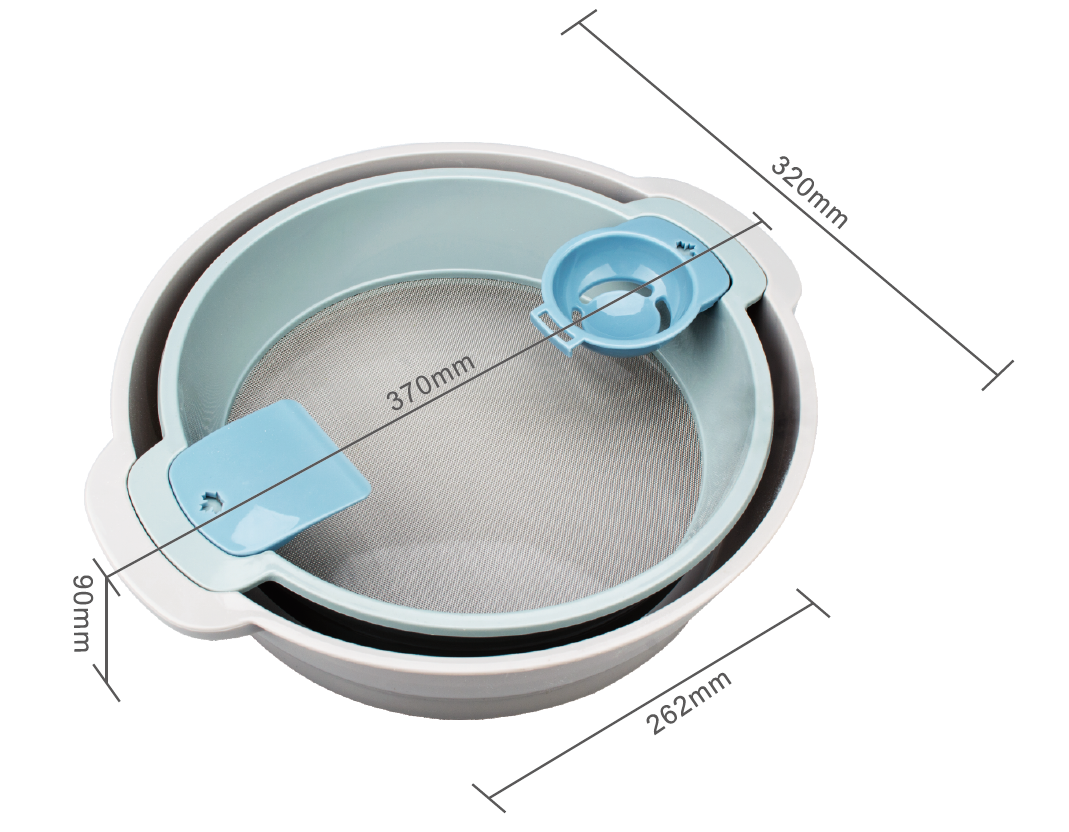
Flour Sifter Factory: Practical Sourcing Guide for Baking Tool Buyers
A flour sifter looks simple, but for retailers, importers, brand owners, and distributors, sourcing the right product requires more than choosing an attractive kitchen tool. A dependable flour sifter factory should be able to explain product options, packaging choices, quality control steps, and export support clearly. Buyers also need to understand how different sifter designs fit different end users, from home bakers preparing cakes to commercial kitchens handling repeated daily use.
The original idea behind working with a flour sifter manufacturer is straightforward: consistent sifting helps remove lumps, aerate flour, and improve preparation for baked goods. Some suppliers also offer flour sifter sets that may include mixing bowls, spatulas, or other baking accessories. For B2B buyers, the key is to verify what is actually included, how it is made, and whether the supplier can support your market requirements without vague promises.
Key Takeaways
- A flour sifter factory should be evaluated on product consistency, communication, packaging support, and quality control—not only price.
- China flour sifter manufacturers are common sourcing options, but buyers should compare several suppliers and request samples before ordering.
- Clarify materials, dimensions, mechanism type, accessory sets, carton packing, and labeling before confirming a wholesale order.
- Avoid assuming certifications, capacity, or compliance; ask the supplier for current documents and test reports when needed.
What a Flour Sifter Factory Typically Supplies
A flour sifter factory may focus on one product category or offer a wider range of baking tools. Common items can include handheld flour sifters, crank-style sifters, squeeze-handle sifters, fine mesh sieves, measuring sifters, and baking tool sets. Some suppliers may combine a flour sifter with large mixing bowls, spatulas, or egg separators, depending on the product line.
For wholesale buyers, the product scope matters because it affects assortment planning. A retailer may want a compact sifter for home kitchens, while a promotional buyer may prefer a giftable baking set. An importer serving foodservice distributors may prioritize durability, easy cleaning, and stable repeat supply. Before discussing pricing, define the target user and sales channel.
How to Evaluate China Flour Sifter Manufacturers
China flour sifter manufacturers are widely considered by global buyers because many can support different kitchenware categories and export packaging formats. However, the quality level, communication style, and production management can vary. A professional sourcing process should include sample review, written specifications, and factory-side confirmation of what can be customized.
Ask whether the supplier is a trading company, a factory, or a factory with export support. Each option can work, but the buyer should know who controls production and quality inspection. If the order requires a private label, barcode, color box, or multilingual instructions, confirm these requirements early. Do not rely only on catalog photos; request product videos, samples, and detailed packing information.
Product Selection: What Buyers Should Check
The best flour sifter for a product line depends on the consumer’s baking habits. A small sifter may suit occasional home use, while a larger version may appeal to serious bakers who prepare bread, cakes, pastries, or cookies frequently. Mesh fineness, handle comfort, bowl capacity, and ease of cleaning are important factors.
When comparing samples, test the sifter with ordinary flour and powdered sugar if those are typical use cases. Check whether the mechanism operates smoothly and whether flour escapes through unintended gaps. If the product is sold as a set, inspect each accessory separately. A useful set should not include weak add-ons that create customer complaints after purchase.
| Check Item | Why It Matters | Questions to Ask the Supplier |
|---|---|---|
| Sifting mechanism | Affects ease of use and consistency | Is it crank, squeeze handle, mesh sieve, or another design? |
| Material and finish | Impacts durability, appearance, and cleaning | What material is used, and can you provide documentation if required? |
| Capacity and dimensions | Determines suitability for home or professional users | What are the exact size, weight, and usable capacity? |
| Accessory set | Influences retail value and packaging size | Are bowls, spatulas, or egg separators included in the quoted price? |
| Packaging | Protects the product and supports retail display | What carton, color box, label, and insert options are available? |
| Quality inspection | Reduces defect risk before shipment | What checks are performed before packing and shipment? |
Factory Communication and Sampling Process
Clear communication is one of the strongest indicators of a reliable flour sifting machine supplier or baking tool manufacturer. The supplier should be able to answer specific questions without replacing facts with general claims. If the product is described as high quality, ask what checks support that statement. If customization is offered, ask for artwork templates, sample lead time, and any costs involved.
A practical sourcing workflow includes these steps:
- Send a brief describing the target market, expected product type, packaging style, and estimated order plan.
- Request a quotation with specifications, packing details, and available customization options.
- Order samples and test them for sifting performance, comfort, cleaning, and packaging protection.
- Confirm a final written specification before mass production.
- Discuss pre-shipment inspection options and defect handling terms.
This approach protects both buyer and supplier because it reduces misunderstanding. It also creates a clear reference point if the buyer places repeat orders later.
Quality Control Points for Wholesale Flour Sifters
For a flour sifter factory, quality control should cover more than whether the product looks acceptable. Buyers should ask how the supplier checks material appearance, assembly, handle function, mesh condition, sharp edges, stains, dents, and packing accuracy. If the product is sold in a set, the inspection should verify that all components are included in every box.
Buyers should also ask how products are protected during shipping. Lightweight kitchen tools can be damaged if packaging is too thin or if carton loading is poorly planned. A color box may look good for retail, but it still needs to survive international transport. Request carton drop-test information only if the supplier actually performs such testing; otherwise, ask what practical packing method they recommend for export orders.
OEM, Private Label, and Packaging Questions
Many B2B buyers source flour sifters for private label programs, supermarket ranges, online retail listings, or promotional sets. Before selecting a supplier, clarify what level of OEM support is available. Some factories can support logo printing, packaging artwork, instruction sheets, and bundled accessories, while others only offer standard products.
Important questions include: What logo methods are possible? Is there a minimum order quantity for customized packaging? Can the supplier provide neutral packaging for trial orders? Are product photos or packaging mockups available? Who is responsible for barcode placement, warning text, and language translation? These details may seem small, but they can affect listing approval, warehouse handling, and customer experience.
FAQ: Flour Sifter Factory Sourcing
What should I ask a flour sifter factory first?
Start with product specifications, available models, material information, sample availability, packaging options, and whether the supplier supports wholesale or private label orders. Ask for written details rather than relying only on images.
Are flour sifter sets better than single sifters?
It depends on your market. A set with mixing bowls, spatulas, or other baking accessories may work well for gift, retail, or beginner baking segments. A single sifter may be better for buyers focused on price, compact packaging, or replacement purchases.
How can I reduce quality risk before ordering?
Review samples, confirm a written specification, check packaging strength, and arrange inspection before shipment when appropriate. Make sure the approved sample matches the final order requirements.
Can I request custom packaging from a supplier?
Many suppliers can discuss custom packaging, but buyers should confirm artwork format, sample cost, lead time, minimum order quantity, and who checks final print content before production.
Should I choose the lowest-priced flour sifter supplier?
Not automatically. A low price may be suitable for some channels, but compare mechanism quality, packaging, communication, defect handling, and repeat supply reliability before deciding.
Final Sourcing Advice
A flour sifter factory can be a valuable sourcing partner when it provides clear product information, dependable samples, and realistic answers. Whether you are comparing China flour sifter manufacturers or evaluating a broader baking tool supplier, focus on evidence: specifications, samples, packing details, and documented requirements. A well-chosen flour sifter is not just a small kitchen accessory; it is a product that must meet user expectations every time flour, sugar, or dry ingredients need smooth preparation.
