








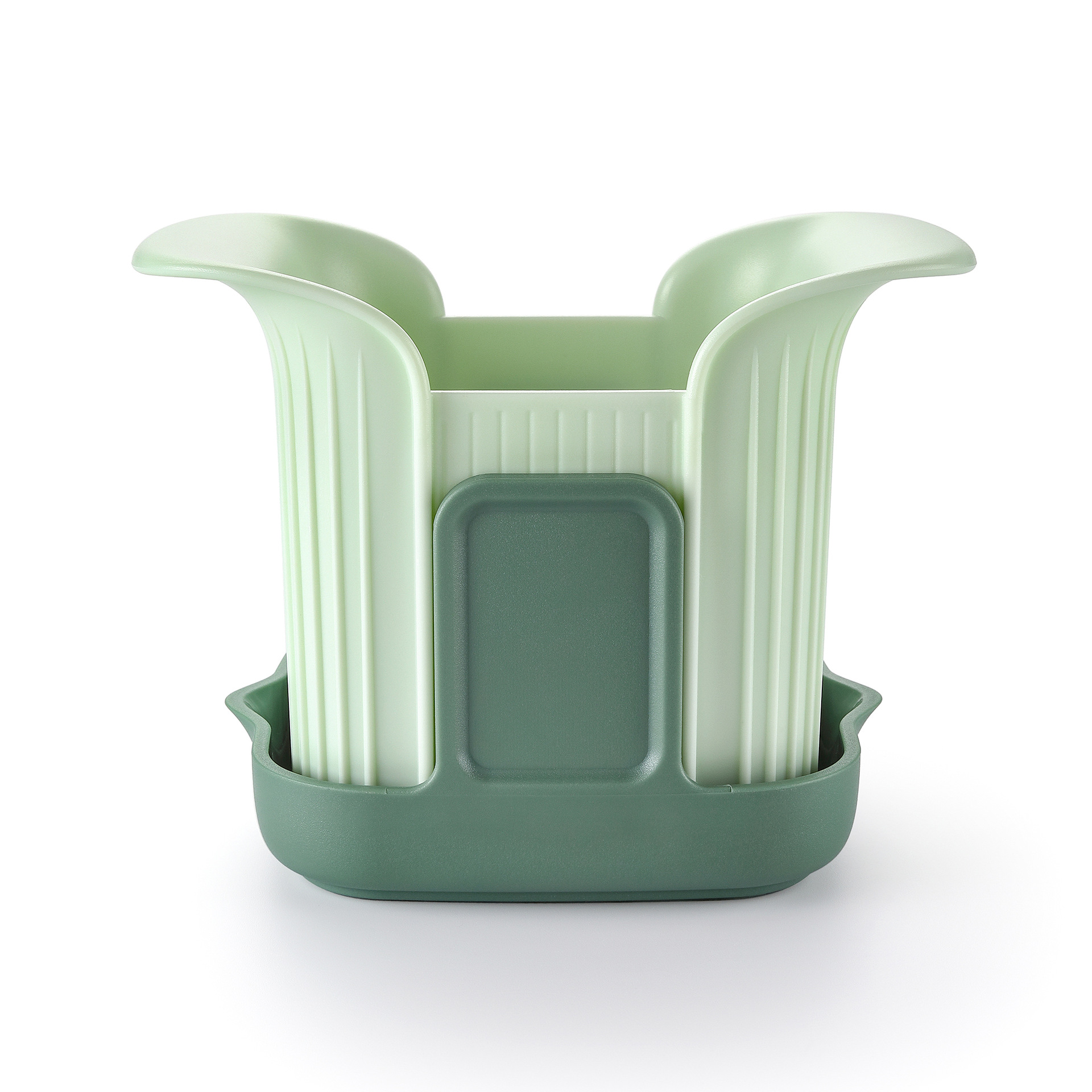
Fruit Cutting Tools Wholesale: How to Source Efficient, Safe, and Marketable Kitchen Gadgets
For retailers, distributors, hospitality buyers, and kitchenware importers, sourcing fruit cutting tools wholesale is not only about finding a low unit cost. The right assortment should help users cut, peel, slice, dice, and portion fruit with less effort while remaining easy to understand, clean, display, and reorder. Because these products are handled close to fingers and food, buyers should assess safety, usability, packaging, and supplier reliability before committing to a bulk purchase.
The original appeal of this category is clear: fruit cutting tools can save preparation time, produce more uniform pieces, reduce countertop mess, and add visual interest to a kitchenware range. However, wholesale buyers need a more practical framework than product photos alone. The sections below outline what to compare, what questions to ask, and how to build an assortment that fits commercial and consumer demand.
Key Takeaways
- Prioritize safety, grip comfort, blade protection, and cleaning convenience when comparing fruit cutting tools.
- Ask suppliers direct questions about materials, packaging, replacement parts, inspection processes, and order terms.
- Build a balanced assortment with simple peelers, slicers, all-in-one cutters, and storage-friendly sets.
- Avoid relying only on appearance; test how the tool performs with both firm and delicate produce.
Why Fruit Cutting Tools Remain a Strong Wholesale Category
Fruit preparation is common across homes, cafés, catering businesses, school kitchens, salad bars, dessert shops, and meal-prep services. Tools such as peelers, slicers, dicers, corers, and all-in-one cutting sets solve everyday tasks that are repetitive and time sensitive. For B2B buyers, this creates a broad customer base and multiple merchandising opportunities.
Wholesale kitchen gadgets also fit well into seasonal promotions, back-to-school lunch preparation, picnic and barbecue displays, healthy eating campaigns, and giftable kitchen bundles. A retailer might sell a compact peeler near fresh produce accessories, while a distributor may offer slicer and dicer sets to food-service customers who want more consistent prep results. The best selection depends on the end user, expected price point, and level of complexity the buyer is willing to support.
Product Types to Consider in a Wholesale Assortment
A practical fruit cutting tools wholesale range should include more than one style. Simple tools are easy to explain and often encourage repeat orders, while multifunction products can create higher perceived value. Consider a mix of the following:
- Fruit peelers: Suitable for apples, pears, cucumbers, and similar produce. Compare handle comfort, blade sharpness, and whether the design supports left- and right-handed users.
- Slicers and wedgers: Useful for apples, citrus, and other fruits where uniform portions matter. Check how easily the user can apply downward pressure.
- All-in-one slicer and dicer sets: Often include interchangeable cutting parts for different shapes or thicknesses. Buyers should review how securely parts lock in place.
- Cutters with collection bins: These can reduce countertop mess by catching freshly cut produce. Confirm bin capacity and how easily it can be removed and washed.
- Storage organizers or sets: Bundled tools can improve shelf impact, but they should be compact enough for home storage and retail display.
Comparison Checklist for Wholesale Buyers
Before selecting a fruit peeler and slicer wholesale supplier, compare samples under realistic use conditions. Use firm produce, softer fruit, and different sizes to see whether the tool performs consistently. The table below can help structure supplier evaluation.
| Evaluation Area | What to Check | Questions to Ask the Supplier |
|---|---|---|
| Blade and cutting performance | Clean cuts, resistance, stability, and suitability for different fruit textures | What blade material is used, and how is sharpness checked during production? |
| User safety | Handguards, contoured grips, non-slip base, and secure locking parts | Are protective covers, use instructions, or warning labels included? |
| Cleaning and maintenance | Removable parts, hard-to-reach corners, and residue buildup | What cleaning guidance should be printed on the packaging or manual? |
| Packaging | Retail display quality, barcode space, carton strength, and transport protection | Can packaging be customized, and what information is required from the buyer? |
| Order and supply terms | Lead time, reorder process, spare parts, and defect handling | What are the MOQ, sample policy, payment terms, and inspection options? |
Safety and Usability Should Guide Selection
Fruit cutting tools are small, but they must be designed with careful attention to control. Sharp stainless steel blades are commonly sought because buyers expect clean and efficient cuts, yet sharpness also increases the need for safe handling. Look for design details such as contoured grips, guiding handguards, stable bases, and blade covers where appropriate.
Ergonomics matter because many users do not read long instructions before using a kitchen gadget. A soft-touch finish, easy-grip handle, or non-slip base can make the difference between a product that feels reliable and one that is returned. For all-in-one tools with interchangeable blades, test whether parts can be changed without forcing the mechanism or exposing fingers to unnecessary risk.
Packaging, Presentation, and Aesthetic Appeal
Visual design still matters in this category. Modern kitchen customers often prefer tools that look tidy on the countertop or inside a drawer. Colors such as mint green, clean neutrals, and coordinated sets can make products easier to merchandise, especially in retail displays or online listings. However, appearance should support function rather than replace it.
Wholesale buyers should request packaging samples as well as product samples. Packaging should explain the main use cases clearly, show what is included, and protect any sharp or delicate parts during shipping. If the product has interchangeable blades or a collection bin, the packaging should make those components easy to identify. Ask whether the supplier can support private label packaging, multilingual instructions, or carton labeling, but do not assume these services are included unless confirmed.
Supplier Questions Before Placing a Bulk Order
When sourcing from a kitchen tool supplier, clear questions help prevent misunderstandings. Commercial details vary by supplier, so they should be confirmed in writing rather than inferred from a catalog image. Useful questions include:
- What materials are used for the handle, body, blade, base, and collection bin?
- Are product samples available for functional testing before ordering?
- What is the MOQ for standard packaging and for customized packaging?
- What quality checks are performed during and after production?
- How are sharp parts protected inside the retail box and export carton?
- Can replacement components or spare blades be ordered separately?
- What are the expected lead time, payment terms, and defect resolution process?
These questions do not replace formal compliance review. If you sell into a market with specific food-contact, labeling, or safety requirements, ask the supplier for relevant documentation and have it reviewed by qualified parties before import or resale.
FAQ
What fruit cutting tools are best for wholesale buyers?
The best choice depends on your customer base. Retailers may prefer compact peelers, slicers, and colorful sets, while food-service buyers may value stable slicers, dicers, and tools with collection bins for cleaner preparation.
Should I choose a single tool or an all-in-one set?
Single tools are simple to sell and easy for customers to understand. All-in-one sets can offer more functions, such as slicing and dicing, but they require stronger instructions, secure storage, and careful safety checks.
How can I check quality before a large order?
Request samples and test them with several fruit types. Review cutting performance, grip comfort, cleaning difficulty, packaging durability, and whether the product matches the supplier’s description.
What should I avoid when sourcing fruit peeler and slicer wholesale products?
Avoid products that feel unstable, expose blades during storage, have unclear instructions, or use packaging that does not protect sharp parts. Also avoid assuming MOQ, certifications, or customization options without supplier confirmation.
