




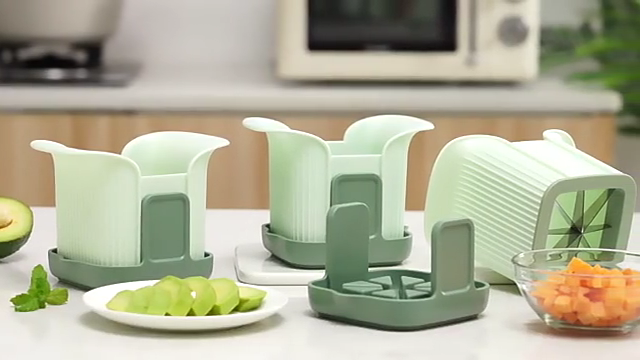
Fruit Cutting Tools Wholesale: Precision & Style
Fruit cutting tools are small products, but they can have a large effect on how efficiently people prepare food at home, in cafés, in catering kitchens, and in retail demonstration settings. For wholesale buyers, the goal is not only to find an attractive slicer or peeler, but to source a range that is consistent, safe to handle, easy to clean, and suitable for the target sales channel.
The original article highlighted modern fruit and vegetable slicers, peelers, detachable components, sturdy bases, ergonomic grips, and coordinated kitchen accessories such as dish drainer racks. This rewritten guide keeps that direction but focuses on what B2B buyers should check before placing a wholesale order. Whether you are building a kitchenware collection, comparing OEM options, or choosing items for a retail program, the most important work happens before the purchase order is confirmed.
Key Takeaways
- Choose fruit cutting tools based on use case: peeling, slicing, dicing, garnishing, or everyday meal prep.
- Ask suppliers clear questions about blade material, handle construction, cleaning method, packaging, and replacement parts.
- Do not rely only on product photos; request samples and test them with common fruits of different sizes and textures.
- For wholesale programs, consistency across cartons, labels, colors, and instructions can matter as much as the tool design.
What Counts as Fruit Cutting Tools Wholesale?
Fruit cutting tools wholesale can include a wide mix of kitchen gadgets: handheld peelers, apple corers, melon cutters, fruit slicers, vegetable and fruit dicer sets, garnish cutters, mandoline-style slicers, and compact multi-function prep tools. Some buyers also source related items such as cutting boards, colanders, storage containers, and dish drainer racks to create a more complete kitchenware assortment.
The best product mix depends on your market. A supermarket promotion may need simple, low-instruction tools. A kitchenware retailer may prefer a higher-perceived-value set with detachable components. A hospitality distributor may focus on durable tools that are quick to clean and store. Before requesting quotations, define the customer, expected price band, and the main problem the tool should solve.
Product Features Buyers Should Evaluate
Many modern slicers are promoted for precision, uniform cuts, stable handling, and simple cleanup. Those are useful claims, but wholesale buyers should turn them into inspection points. If a product uses stainless steel blades, ask what grade is used and whether the supplier can provide documentation. If the product is described as BPA-free, ask which components the statement covers and what supporting documents are available.
Look closely at the handle, base, blade guard, non-slip feet, hinges, and detachable parts. Ergonomic grips may improve comfort, but they should also be secure when the user’s hands are wet. A sturdy base can help reduce slipping, but only if it performs well on typical countertop materials. Detachable components can help with cleaning, but they should not become loose after repeated assembly.
Comparison Checklist for Wholesale Sourcing
| Check Area | What to Review | Questions to Ask the Supplier |
|---|---|---|
| Function | Peeling, slicing, dicing, coring, or multi-function use | Which fruits were used during product testing or demonstration? |
| Blade and cutting parts | Sharpness, alignment, corrosion resistance, protective covers | What blade material is used, and are spare blades available? |
| Safety | Grip, base stability, finger protection, clear instructions | Are warnings and usage instructions included in the package? |
| Cleaning | Detachable parts, narrow gaps, residue traps, drying time | Which parts can be removed, and what cleaning method is recommended? |
| Packaging | Retail box, color label, barcode area, inner protection | Can packaging be customized, and what artwork files are required? |
| Order support | Lead time, sample process, carton details, after-sales support | What is the MOQ, sample cost, production lead time, and defect policy? |
How to Test Samples Before Ordering
Sample testing should be practical, not only visual. Test each tool with soft fruit, firm fruit, and irregular shapes. For example, try apples, pears, oranges, kiwifruit, cucumbers, or similar produce based on the product’s intended use. Check whether the cut is even, whether the fruit slips, and whether the tool requires too much force. A tool that works in a supplier video may feel different in everyday use.
- Unpack the sample and note whether instructions are clear.
- Inspect the blade area for burrs, gaps, or loose parts.
- Use the tool several times with different fruit sizes.
- Wash and dry it according to the supplier’s suggested method.
- Reassemble detachable parts and confirm they still fit securely.
- Record any issues before discussing revisions or bulk order terms.
Packaging, Labeling, and Retail Readiness
For fruit peeler and slicer wholesale programs, packaging is often part of the buying decision. A simple tool may sell better when the customer immediately understands what it does. Clear product photos, safe-use icons, cleaning guidance, and basic warnings can reduce confusion. If you sell through retailers or online marketplaces, confirm the need for barcodes, SKU labels, language versions, carton marks, and drop-test expectations.
Do not assume that a supplier’s standard package is ready for your market. Ask whether the package can hold the product securely during shipping. If the tool has sharp parts, confirm how the blades are protected. If you need private label or OEM packaging, ask about artwork templates, printing methods, color limitations, approval samples, and the timeline for packaging production.
Building a Coordinated Kitchenware Range
The original article mentioned a cohesive kitchen with cutting tools and a tabletop dish drainer rack. This can be a useful assortment strategy. Retail buyers often create themes around meal prep, countertop organization, or compact kitchens. A fruit slicer, vegetable dicer, peeler, cutting board, colander, and dish drainer can be grouped into a practical range without forcing every item into one set.
When coordinating products, keep the selection disciplined. Matching colors can help shelf presentation, but the products should still make sense together. Ask whether colors are stable across production batches and whether the supplier can provide the same or similar tones for different items. If you plan to combine tools from multiple factories, compare packaging dimensions, label style, and quality level so the final range looks consistent.
Supplier Questions for OEM and Wholesale Buyers
Before committing to a supplier, prepare a written question list. This keeps the conversation factual and helps you compare quotations accurately. Useful questions include: What materials are used for each component? Are any food-contact material documents available? What is the standard MOQ? What is the sample lead time? Can the product color be customized? What packaging options are available? Are replacement parts available? How are defects handled after delivery?
You should also ask about inspection procedures. Even if you arrange your own third-party inspection, the supplier should be able to explain how they check appearance, assembly, sharpness, function, packaging, and carton quantity. Avoid vague answers. A professional supplier should be comfortable discussing tolerances, approved samples, and how changes are controlled before mass production.
Practical FAQ
What is the most important factor when buying fruit cutting tools wholesale?
The most important factor is fit for the intended customer. A low-cost promotional peeler, a retail-ready slicer, and a food-service prep tool may require different materials, packaging, durability, and instructions.
Should I choose a single fruit slicer or a multi-function dicer set?
Single-function tools are usually easier to explain and may be simpler to clean. Multi-function sets can offer more value, but buyers should test every attachment and confirm that storage, safety, and cleaning are practical.
Can I request private label packaging?
Many wholesale suppliers can discuss private label or OEM packaging, but details vary. Ask about MOQ, artwork format, printing limitations, packaging samples, lead time, and any added cost before confirming the order.
How can I reduce quality problems in a bulk order?
Approve a final sample, write clear specifications, confirm packaging details, and inspect production before shipment when possible. Keep records of agreed materials, colors, accessories, instructions, and carton information.
Are stainless steel blades always the best choice?
Stainless steel is commonly used for cutting parts, but buyers should ask which grade is used and whether it suits the target market. Sharpness, alignment, corrosion resistance, and safe blade protection are all important.
Final Sourcing Advice
Fruit cutting tools wholesale sourcing should balance design, performance, safety, packaging, and supplier communication. Attractive colors and modern shapes can help a product stand out, but long-term value comes from tools that cut consistently, feel stable, clean easily, and arrive in reliable packaging. Start with a clear product brief, test samples carefully, and ask specific questions before scaling into a larger order.
