




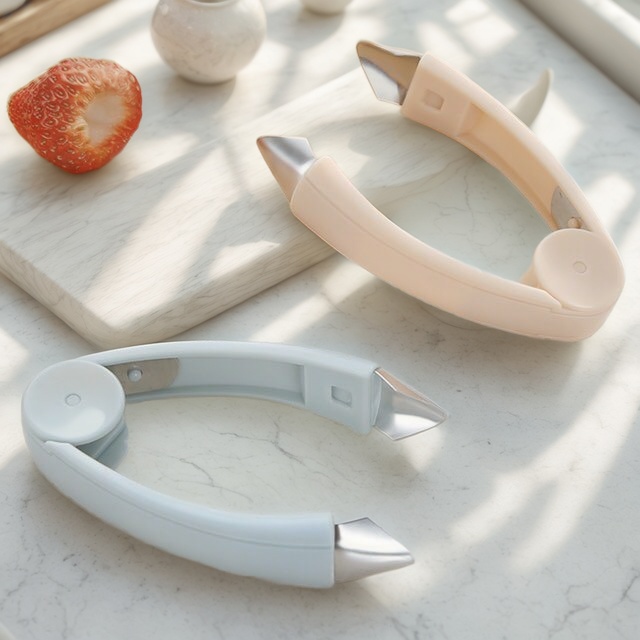
Fruit Huller Factory China: Practical Sourcing Guide for Food Processors
When buyers search for a fruit huller factory China, they are usually not looking for a simple kitchen tool. They are evaluating industrial fruit preparation equipment that can reduce manual trimming, improve consistency, and support a repeatable production process. The right choice depends on the fruit being processed, the required cut quality, cleaning expectations, spare parts access, and how well the machine fits into the buyer’s existing line.
This guide explains how to compare fruit hulling machine manufacturers and what to ask before placing an order. It is written for food processors, importers, distributors, OEM buyers, and purchasing teams that need clear sourcing criteria rather than broad promotional claims.
Key Takeaways
- Define the exact fruit type, size range, and desired finished result before contacting factories.
- Ask suppliers to verify materials, throughput, power requirements, dimensions, cleaning method, and spare parts availability.
- Request a sample run or operating video using fruit that closely matches your real production material.
- Compare total operating value, not only purchase price, including maintenance, waste rate, labor savings, and downtime risk.
- A strong supplier should provide clear documentation, responsive technical communication, and realistic answers to limitations.
What an Industrial Fruit Huller Is Expected to Do
A fruit huller removes the hull, stem area, core, or unwanted internal section from fruit before the next processing step. Depending on the application, the prepared fruit may go into jams, frozen fruit packs, fruit salads, bakery fillings, desserts, beverage processing, or further cutting and packaging. In large-scale production, consistent preparation is important because irregular trimming can increase waste and create downstream issues.
Industrial fruit hulling equipment differs from small manual gadgets because it is designed for repeatable operation, operator safety procedures, and integration into a workflow. However, capabilities vary widely by model and supplier. Some machines may focus on strawberries or similar small fruits, while others may be designed for coring larger fruit. Buyers should not assume one machine can handle every product without adjustment or tooling changes.
Define Your Application Before Comparing Factories
Before requesting quotations from a fruit huller factory in China, prepare a short technical brief. This saves time and helps suppliers recommend a suitable option instead of guessing based on a product name. A useful brief should include:
- Fruit type and variety, including typical shape and firmness.
- Fruit diameter, length, and weight range.
- Required output form, such as de-stemmed, hulled, cored, or trimmed.
- Target production volume per hour or per shift.
- Acceptable waste level and appearance requirements.
- Available floor space, power supply, water access, and drainage.
- Cleaning frequency and sanitation expectations.
- Whether the machine must connect with conveyors, washing lines, cutters, or packaging equipment.
Providing these details allows a manufacturer to identify possible limitations early. For example, soft ripe fruit may require gentler handling than firmer fruit, and mixed-size batches may need sorting or adjustable settings. These details affect real production performance.
Comparison Checklist for Supplier Evaluation
Use the table below when comparing multiple fruit hulling machine manufacturers. It is not a substitute for factory due diligence, but it helps purchasing teams ask consistent questions.
| Evaluation Area | Questions to Ask the Supplier | Why It Matters |
|---|---|---|
| Fruit compatibility | Which fruit types and size ranges has this model handled? Are change parts needed? | Prevents buying a machine that works only under narrow conditions. |
| Output and yield | What throughput can be demonstrated with fruit similar to ours? How is waste measured? | Helps estimate labor savings and raw material utilization. |
| Materials and contact surfaces | What materials are used in food-contact areas? Can material information be documented? | Supports hygiene review and internal procurement approval. |
| Cleaning and maintenance | How is the machine cleaned? Which parts are removable? What routine maintenance is required? | Reduces downtime and helps sanitation teams plan procedures. |
| Spare parts | Which wear parts should be stocked? What are lead times and replacement instructions? | Limits production disruption after installation. |
| Technical support | Is installation guidance, operating training, or remote troubleshooting available? | Important for importers and plants without in-house machine specialists. |
| Documentation | Can the supplier provide manuals, wiring diagrams, packing details, and maintenance guides? | Improves handover to engineering and operations teams. |
How to Assess a Fruit Huller Factory in China
China has a broad base of machinery suppliers, from trading companies to specialized factories. The best option depends on whether the buyer needs a standard machine, light customization, OEM branding, or a complete processing line. A factory may be suitable if it can explain the machine structure, demonstrate operation, discuss limitations honestly, and provide technical documentation.
Buyers should ask whether the supplier manufactures the key machine components in-house or sources them from partners. This is not automatically positive or negative, but it affects quality control, delivery timing, and replacement parts. If OEM or private label supply is required, clarify branding, packaging, manuals, nameplate details, confidentiality, and whether drawings or design changes are included.
Do not rely only on catalog photos. Request operating videos from multiple angles, close-ups of the hulling action, and images of finished fruit. If possible, send sample fruit or arrange a test with similar material. For high-volume production, a paid trial or third-party inspection may be more reliable than assumptions made from a specification sheet.
Questions to Ask Before Ordering
- What fruit size tolerance can the machine handle without frequent adjustment?
- What happens when fruit is misshapen, overripe, underripe, or mixed in size?
- Can the hulling depth or cutting position be adjusted by operators?
- What is the recommended cleaning method between production batches?
- Which parts are considered consumables, and how often might they need replacement?
- What information is included in the quotation: machine, tooling, packing, training, spare parts, or freight terms?
- What tests will be completed before shipment, and what evidence can be shared?
- Who provides support if installation or operation problems occur after delivery?
These questions help buyers separate a practical industrial solution from a machine that looks suitable but may not perform reliably in daily production.
Balancing Efficiency, Waste, and Product Quality
The purpose of an industrial fruit huller is not simply speed. A fast machine that removes too much edible fruit can increase raw material cost. A gentle machine that requires constant manual correction may not reduce labor enough to justify investment. The best selection balances throughput, yield, finished appearance, and ease of operation.
Food processors should calculate value using their own production data. Estimate current labor time, average trimming loss, rejected product, and production bottlenecks. Then compare those figures with supplier demonstrations and test results. Because fruit condition changes by season and supplier, it is wise to evaluate performance under realistic variation rather than perfect sample conditions only.
Practical FAQ
Can one fruit huller process many kinds of fruit?
Some machines may handle more than one fruit type, but buyers should verify this with the supplier. Fruit size, firmness, stem position, and required finished shape can require adjustments, tooling changes, or a different machine design.
Should I choose the lowest quoted price?
Price matters, but it should be compared with operating reliability, spare parts access, cleaning time, waste rate, and supplier support. A lower initial price may cost more if downtime or poor yield becomes frequent.
What information should I request with a quotation?
Ask for machine dimensions, power requirements, operating method, material information for contact parts, available options, packing details, estimated spare parts, lead time, payment terms, and support scope. If any details are missing, treat them as follow-up questions.
Is a factory visit necessary?
A visit can be useful for larger orders or customized projects, but it is not always practical. Alternatives include live video calls, sample testing, third-party inspection, and detailed pre-shipment videos. The goal is to confirm what will actually be delivered.
How can importers reduce risk when sourcing from overseas?
Use a clear purchase specification, confirm responsibilities in writing, request testing evidence, define packaging requirements, check spare parts availability, and consider inspection before shipment. For regulated food production environments, buyers should also confirm what documentation their local rules and internal quality teams require.
Final Buying Advice
A fruit huller factory China can be a valuable sourcing partner when the buyer communicates production needs clearly and verifies machine suitability before ordering. Focus on real fruit performance, cleaning access, supplier responsiveness, and long-term support. A well-chosen industrial fruit huller should make fruit preparation more consistent and easier to manage, while a poorly matched machine can create new bottlenecks. Careful evaluation at the sourcing stage is the most practical way to protect production efficiency.
