




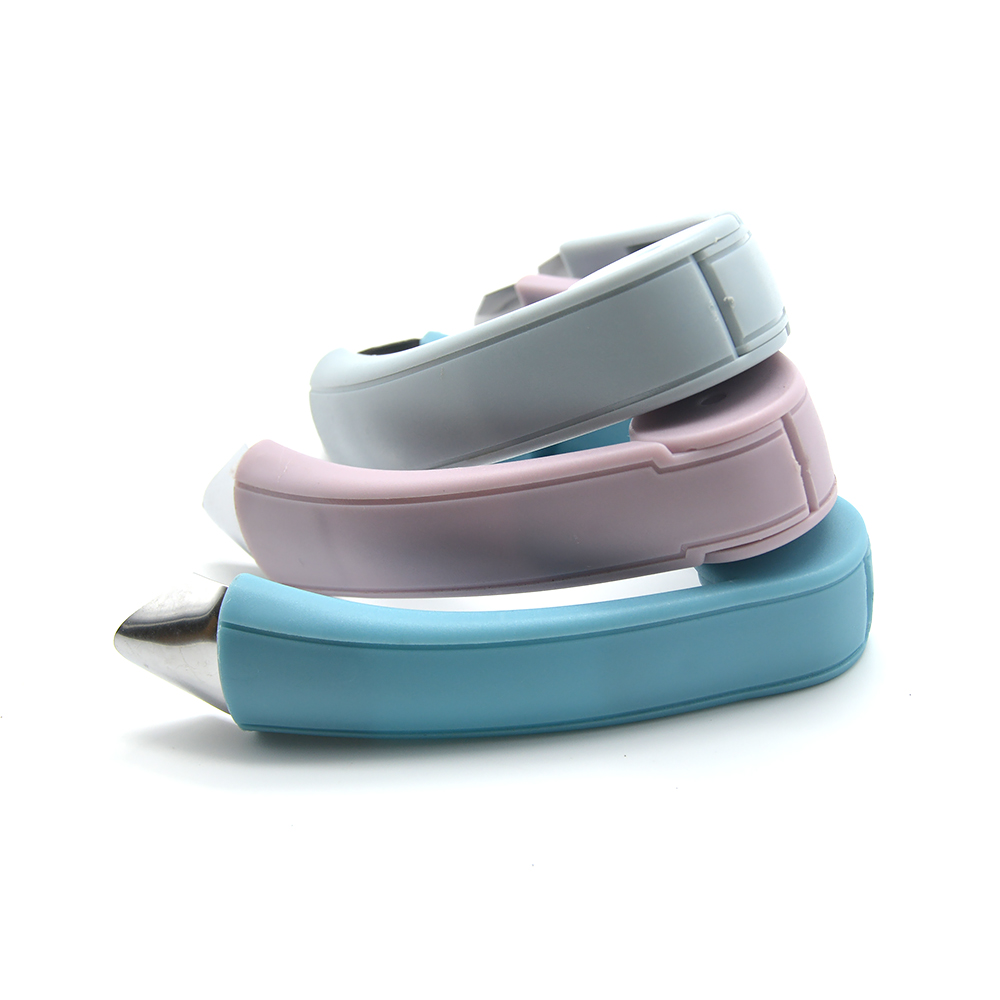
Fruit Huller Factory China: Sourcing Strawberry Hullers with Confidence
Finding the right fruit huller factory in China is not only about locating a low-cost kitchen tool. For importers, wholesalers, promotional product buyers, and kitchenware brands, the better question is whether a supplier can deliver a strawberry huller that is easy to use, consistent in quality, suitable for the target market, and practical to package and ship. A fruit huller is a small item, but small tools can create large customer service issues if the grip feels uncomfortable, the tips bend, the finish is inconsistent, or packaging does not protect the product during transit.
The original focus of this topic was the link between industrial fruit processing and the compact strawberry huller used in home kitchens. That connection is useful: the same goal applies at every scale. Whether fruit is being prepared in a commercial facility or at a kitchen counter, the tool should remove stems cleanly, reduce unnecessary waste, and make repetitive preparation easier. For B2B buyers, the task is to translate that simple consumer need into clear sourcing requirements.
Key Takeaways
- A good fruit huller supplier should be evaluated on usability, consistency, packaging, communication, and after-sales handling, not price alone.
- Ask direct questions about materials, production checks, customization options, packing methods, and sample availability before placing a bulk order.
- For strawberry hullers, practical details such as pointed tips, handle comfort, cleaning ease, and color consistency affect user satisfaction.
- Do not assume certifications, capacities, or compliance claims; request documents and confirm whether they apply to your destination market.
Understanding the Product: From Fruit Processing to Kitchen Tools
In large food processing environments, fruit hulling equipment is used to improve speed and consistency. A commercial operation may need machinery that can handle high volumes, reduce fruit loss, and support repeatable preparation. A handheld strawberry huller has a different scale, but the user expectation is similar: the tool should remove the stem neatly without taking away too much edible fruit.
The strawberry huller described in the original article uses dual-steel pointed tips and ergonomic handles available in soft peach and blue. Those are useful product points because they speak to both function and appearance. The pointed tips are intended to grip and remove the stem area, while the handle shape supports repeated use. When sourcing, buyers should confirm whether the supplier's sample matches the promoted design, including tip alignment, handle feel, and color.
What to Compare When Choosing a Fruit Huller Factory in China
A reliable sourcing process begins with comparison. Many factories or trading companies may offer similar-looking fruit hullers, but the details can vary. Buyers should compare samples side by side and record observations rather than relying only on photos. This is especially important for kitchen tools sold through retail, e-commerce, supermarket channels, or private-label programs.
| Evaluation Point | What to Check | Questions to Ask the Supplier |
|---|---|---|
| Tip performance | Whether the pointed tips align, grip well, and remove stems cleanly | What checks are used to control tip shape and alignment? |
| Handle comfort | Grip size, surface feel, and comfort during repeated use | Can you provide samples for ergonomic review before bulk order? |
| Material claims | Whether stated materials are supported by documentation | What material information can you provide for the metal tips and handles? |
| Color consistency | Whether peach, blue, or other colors match across batches | How do you confirm color before production and shipment? |
| Packaging | Retail readiness, protection in cartons, labeling options | What packaging formats are available, and can they be customized? |
| Quality control | Incoming materials, in-process checks, final inspection | What inspection steps are used, and can a buyer arrange third-party inspection? |
Sample Review: Small Tool, Important Details
Before confirming a wholesale order, request samples and test them in realistic conditions. For a strawberry huller, that means using the tool on berries of different sizes and firmness. Observe whether the huller removes the leafy top cleanly, whether it leaves deep gouges, and whether the user needs excessive force. A product that looks attractive in photos may not perform well if the tips are too blunt, too flexible, or poorly aligned.
Also check how easy the huller is to rinse after use. Kitchen tools that touch fruit should be simple for the end user to clean. If the design has tight spaces, ask whether food residue may collect there and how the supplier recommends cleaning the product. Avoid making dishwasher, food-contact, or compliance claims in your own sales materials unless the supplier provides documentation suitable for your market and product listing requirements.
Commercial Questions Buyers Should Ask
Because the original article references a fruit huller factory in China, the sourcing conversation should include commercial and operational questions. Instead of assuming a supplier can meet your program requirements, ask for specifics. This helps prevent misunderstandings once artwork, packaging, payment terms, and shipping timelines are involved.
- Are you the manufacturer, a trading company, or both?
- What customization options are available for color, packaging, logo placement, or instruction inserts?
- What is the minimum order quantity for standard products and for customized versions?
- How long does sampling usually take, and what is the typical lead time after order confirmation?
- What quality checks are performed before shipment?
- Can you provide product photos, packing information, carton details, and sample invoices for review?
- What documents can you provide if the buyer needs compliance review for a specific country?
These questions do not replace due diligence, but they help buyers identify whether a supplier communicates clearly and understands export requirements. A strong supplier should be able to answer directly or explain what must be confirmed before quoting.
Packaging, Branding, and Retail Readiness
For a compact kitchen tool, packaging can be as important as the product itself. Retail buyers may need hanging cards, blister-style packaging, cartons suitable for shelf display, or barcode labeling. E-commerce sellers may prioritize compact packaging that reduces shipping weight while protecting the pointed tips. Promotional buyers may require a simple branded presentation with clear usage instructions.
When discussing packaging with a fruit huller factory or supplier, provide the sales channel first. A product intended for a supermarket peg hook may need different packaging than a product sold in multipacks online. Ask whether the supplier can provide dielines, artwork requirements, packaging samples, and pre-production photos. If sustainability claims are important to your brand, request clear material information and avoid vague claims unless they can be supported.
Quality Control Before Shipment
Quality control for fruit hullers should be practical and measurable. Buyers can create a checklist that includes appearance, color, handle finish, tip alignment, opening and closing action, packaging condition, quantity per carton, and labeling accuracy. If the order is customized, confirm logo placement and color against approved samples.
For larger orders, consider third-party inspection or at least a documented pre-shipment review. Ask the supplier whether inspection is possible before final payment or before goods leave the factory. Also clarify how defective items will be handled. The answer may vary by supplier, order size, and agreement, so it should be written into the purchase terms rather than discussed only by message.
FAQ
What is the main purpose of a strawberry huller?
A strawberry huller is designed to remove the stem and core area from a strawberry with less waste than cutting off the entire top with a knife. It is useful for snacks, desserts, preserves, and food preparation where appearance matters.
Should I choose a factory or a trading company?
Both can be suitable. A factory may offer more direct production control, while a trading company may provide broader product sourcing and communication support. Ask who produces the goods, who controls quality, and who is responsible if problems occur.
Can I request custom colors such as peach or blue?
The original product description mentions ergonomic handles in soft peach and blue. If you need those or other colors, ask the supplier about color matching, sample approval, and whether customization affects order quantity, cost, or lead time.
What should I verify before making product claims?
Verify any claims about materials, food contact suitability, testing, certifications, dishwasher use, or market compliance with supplier documents. Do not rely on assumptions or generic listings when selling into regulated markets.
How can I reduce sourcing risk?
Start with samples, define written specifications, approve packaging artwork carefully, ask for production and inspection updates, and keep records of agreed quality standards. A small fruit huller is simple in concept, but clear sourcing control still matters.
Final Sourcing Advice
A fruit huller factory in China can be a useful partner for brands and distributors looking to source compact kitchen tools, but the best results come from specific questions and careful sample review. Focus on how the strawberry huller works in the user's hand, how consistently it can be produced, and how well the supplier supports packaging, customization, and inspection. By treating the product as a practical food-preparation tool rather than a generic accessory, buyers can make better sourcing decisions and reduce avoidable quality issues.
