




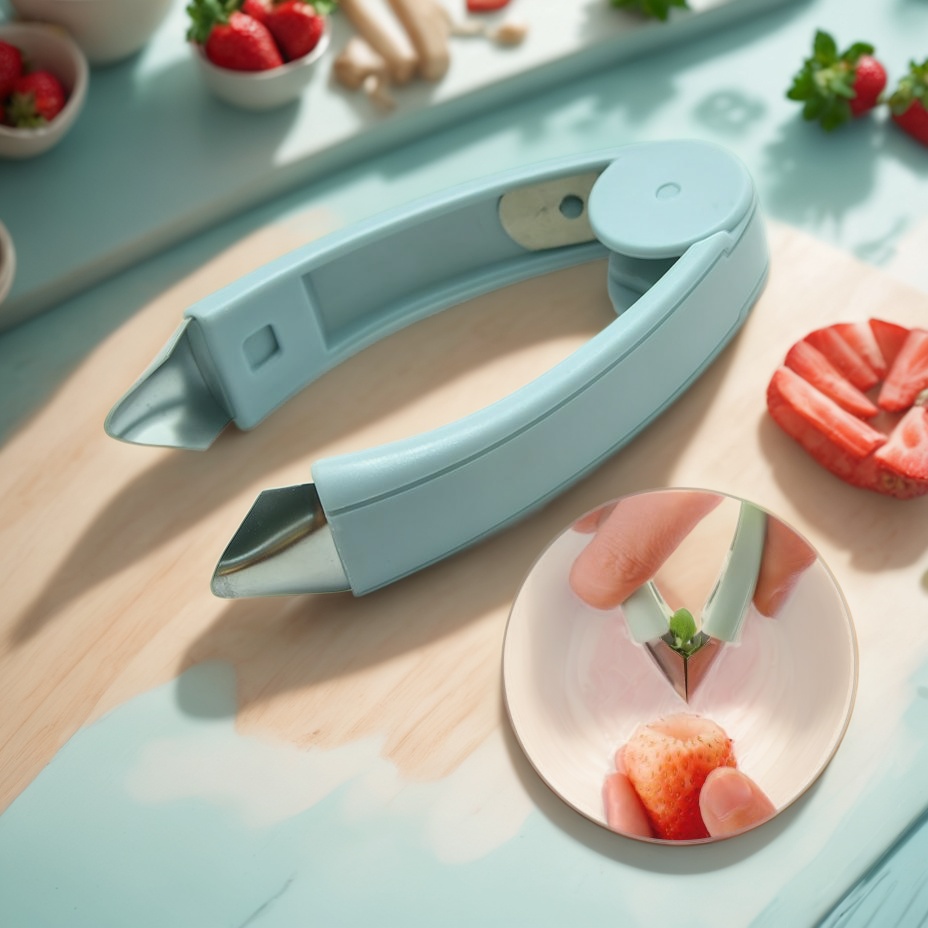
Fruit Huller Factory China: Quality Machines for Efficient Fruit Processing
For food processors handling strawberries, tomatoes, and other fruits that require stem, core, or hull removal, the right hulling equipment can influence labor planning, product consistency, and line efficiency. Sourcing from a fruit huller factory in China can be a practical option for buyers comparing industrial equipment, OEM supply, or wholesale machinery, but the decision should be based on clear technical and commercial checks rather than price alone.
This guide explains how to evaluate a fruit hulling machine supplier, what questions to ask before ordering, and how to match a machine to products such as fruit for jams, juices, frozen goods, desserts, and prepared food applications. It does not assume any specific factory capacity, certification, material grade, or machine performance unless the supplier confirms it in writing.
Key Takeaways
- Define the fruit type, required cut quality, and processing volume before contacting a factory.
- Ask suppliers to confirm food-contact materials, sanitation design, spare parts, and after-sales support.
- Compare total sourcing risk, not only machine price.
- Request test videos, sample processing results, manuals, and warranty terms before purchase.
What an Industrial Fruit Huller Does
An industrial fruit huller is designed to remove stems, cores, hulls, or unwanted top portions from selected fruits. In commercial processing, this task is often difficult to manage manually at high volume because labor speed, cut depth, and product handling can vary from worker to worker. Automation can help improve batch consistency and reduce repetitive manual work.
For products where appearance matters, such as frozen fruit, dessert toppings, or prepared fruit packs, gentle handling is important. Excess bruising or over-cutting can reduce usable yield and affect the final product. For puree, juice, or jam production, appearance may be less critical, but throughput, sanitation, and waste control remain important buying factors.
When Sourcing from a Fruit Huller Factory in China Makes Sense
China has a broad supply base for food processing machinery, including factories that produce fruit handling, washing, sorting, cutting, and hulling equipment. Sourcing directly from a factory may suit importers, distributors, food processors, and project contractors who need equipment tailored to a processing line or who want to compare multiple configurations.
However, a factory relationship also requires careful verification. Buyers should not assume that every manufacturer offers the same engineering support, documentation, quality control, or export experience. Before placing an order, clarify whether the supplier is the actual manufacturer, a trading company, or a mixed operation that outsources part of production.
How to Define Your Machine Requirements
Before requesting quotations, prepare a short technical brief. This helps suppliers recommend a suitable machine and reduces the risk of receiving quotes that cannot be compared fairly. Include the fruit variety, average size range, ripeness level, required finished condition, and whether the fruit is fresh, chilled, or pre-washed.
- Application: Are you preparing fruit for freezing, canning, juice, jam, dessert, or further cutting?
- Target output: Ask the supplier what production capacity can be achieved with your specific fruit and process, rather than relying on general brochure figures.
- Cutting result: Define acceptable hull depth, remaining flesh loss, and visual quality.
- Line integration: Confirm machine dimensions, feeding method, discharge height, electrical requirements, and compatibility with upstream and downstream equipment.
- Cleaning needs: Ask how quickly the machine can be opened, cleaned, inspected, and reassembled.
Supplier Comparison Checklist
Use the following checklist to compare fruit hulling machine manufacturers on practical sourcing criteria. The goal is not to find the longest feature list, but to identify the supplier most likely to deliver equipment that fits your fruit, factory layout, and maintenance capability.
| Evaluation Area | What to Check | Questions to Ask |
|---|---|---|
| Product fit | Experience with your fruit type and required finished product | Can you show processing tests using similar fruit size and ripeness? |
| Materials | Food-contact surfaces and corrosion resistance | What material grades are used, and can they be documented? |
| Sanitation | Ease of cleaning, drainage, and access to contact areas | How is the machine cleaned between batches or shifts? |
| Durability | Frame, blades, moving components, and wear parts | Which parts are consumable, and how often are they normally replaced? |
| Support | Manuals, spare parts, installation guidance, and troubleshooting | What after-sales support is available for overseas buyers? |
| Commercial terms | Lead time, packaging, payment, inspection, and warranty | What is included in the quotation and what is excluded? |
Quality and Sanitation Questions to Ask
For food processing equipment, hygiene design should be part of the first conversation. Ask whether the supplier can confirm the materials used on food-contact areas, whether surfaces are easy to clean, and whether there are areas where pulp, seeds, or liquid can collect. If your market requires specific compliance documents, request them before ordering and verify whether they apply to the exact model quoted.
Buyers should also ask about blade adjustment, guarding, emergency stop design, electrical component brands, and operator training requirements. These details influence daily operation and maintenance. If the supplier claims the machine is made from food-grade stainless steel, ask for the specific grade, scope of use, and supporting documentation.
Testing, Inspection, and Sample Confirmation
A quotation is not the same as proof of performance. For an industrial fruit huller, request a test using fruit that resembles your real production input. If shipping fresh samples is not practical, provide detailed photos, size ranges, and process expectations. Video testing can be useful, but it should show feeding, hulling, discharge, waste, finished fruit, and machine cleaning where possible.
Before shipment, consider arranging inspection of the machine against the purchase order. Check model name, electrical requirements, accessories, spare parts, labeling, packaging, and visible workmanship. If you need third-party inspection, confirm access with the supplier in advance.
Total Cost Beyond the Purchase Price
The lowest machine price may not be the lowest operating cost. Spare blades, downtime, cleaning time, shipping, import duties, installation, and operator training all affect the real cost of ownership. Ask suppliers to list included spare parts, recommended consumables, and optional accessories separately. Also clarify whether technical support is provided by video call, written instructions, local partners, or onsite service if available.
For distributors and OEM buyers, consistency is especially important. Ask whether the supplier can keep documentation, labeling, and replacement parts stable across repeat orders. If you require private labeling or customized configuration, confirm drawings, packaging artwork, and approval steps before production begins.
Practical FAQ
What fruits can a fruit huller process?
Many buyers use hulling equipment for fruits such as strawberries and tomatoes, but suitability depends on fruit size, firmness, shape, and the required cut. Always test your specific product before bulk purchase.
Should I buy directly from a factory or through a trading company?
A factory may offer more direct technical communication, while a trading company may help consolidate sourcing. In either case, verify experience, documentation, inspection options, and after-sales support.
What information should I send when requesting a quote?
Send fruit type, size range, target output, finished product use, photos or videos, voltage requirements, factory layout limits, and any hygiene or documentation requirements.
How can I reduce sourcing risk?
Request sample tests, written specifications, spare parts lists, warranty terms, packaging details, and pre-shipment inspection. Avoid relying only on catalog images or verbal promises.
Is stainless steel always included?
Do not assume. Ask the supplier to confirm which parts are stainless steel, the material grade, and whether supporting documents are available for the exact machine model.
Final Sourcing Advice
A fruit huller factory in China can be a valuable sourcing partner when the machine is selected according to real processing needs. Focus on fruit compatibility, sanitation, maintainability, test evidence, and supplier communication. By asking specific questions before purchase, buyers can make a more confident decision and choose equipment that supports efficient, consistent fruit preparation.
