




Fruit Spoon Factory Sourcing Guide for Kitchen Tool Buyers
Fruit spoons and fruit scooping tools look simple, but they can affect speed, presentation and consistency in kitchens, catering operations and retail product lines. A good fruit spoon factory should understand more than the shape of a scoop. Buyers need to evaluate tool performance, handle comfort, storage design, packaging options and whether the supplier can support the intended sales channel.
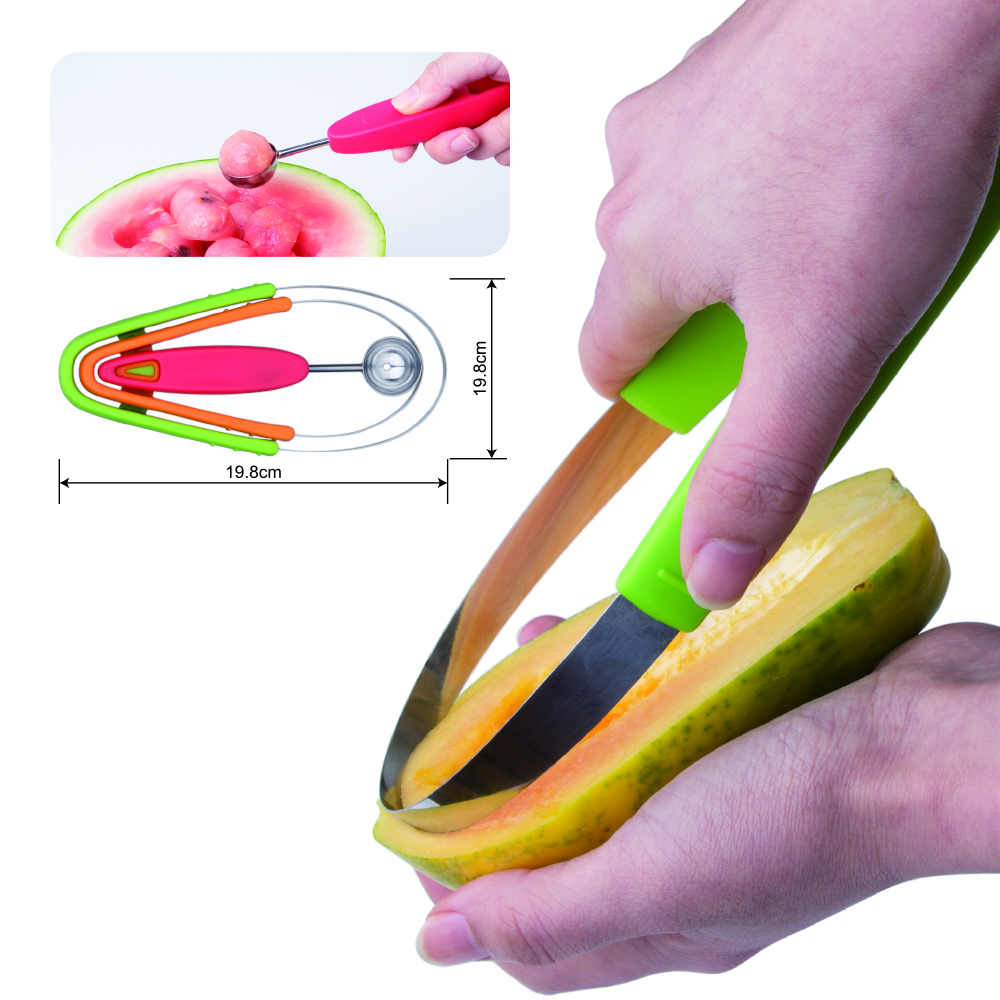
The original product description highlights fruit tools for carving, slicing and scooping, including stainless steel scooping heads, ergonomic handles, pastel color options such as lavender and sky blue, compact overlapping storage and items such as melon ballers and wire slicers. This guide expands that topic into a practical B2B sourcing checklist for importers, wholesalers, kitchenware brands and distributors.
Key Takeaways
- Choose fruit spoons based on use case: melon balls, fruit carving, citrus prep, garnish work or retail kitchen sets.
- Ask the factory to confirm materials, dimensions, finish, packaging and available color options before ordering samples.
- Evaluate handle comfort, edge smoothness, scoop shape and ease of cleaning, not only appearance.
- For OEM or wholesale projects, clarify tooling, branding, carton details, sample lead time and quality inspection standards.
What a Fruit Spoon Factory Typically Produces
A fruit spoon factory may produce individual scooping tools, melon ballers, fruit carving tools, wire slicers and complete fruit preparation sets. These tools are commonly used by home cooks, foodservice teams, buffet operators, bakeries, juice shops and event caterers. The main purpose is to make fruit preparation more uniform, especially when shaping melon, watermelon, dragon fruit, papaya or similar produce.
Some fruit scooping tools are designed for round, consistent balls. Others are better for removing seeds, separating flesh from peel, carving decorative edges or slicing softer fruit. A retail set may combine several tools so users can scoop, cut and decorate with one compact kit. When comparing suppliers, check whether the factory specializes in one tool type or offers a broader kitchen gadget range.
Product Features to Review Before Sourcing
Buyers should avoid judging fruit spoons by photos alone. A polished product image does not confirm comfort, durability or safe finishing. The source article mentions stainless steel tools, ergonomic handles, pastel handle colors and compact overlapping storage. These can be useful features, but they should still be verified with samples and written specifications.
Important details to review include:
- Scoop size and shape: Confirm whether the bowl forms small, medium or large fruit balls and whether the edge is suitable for the target fruit.
- Material description: If stainless steel is claimed, ask the supplier to specify the grade and provide supporting documentation if required for your market.
- Handle design: Test grip comfort, balance and whether the handle becomes slippery when wet.
- Edge finishing: Check for burrs, sharp seams or rough weld points that may affect handling or cleaning.
- Storage format: If compact overlapping storage is part of the design, confirm how the tools nest together and whether packaging protects the edges.
- Color consistency: For pastel handles such as lavender or sky blue, request approved color samples or Pantone references when applicable.
Comparison Checklist for Factory Evaluation
Use the table below when comparing a fruit spoon factory, trading company or OEM kitchen tool supplier. It helps organize the questions that matter before committing to a wholesale order.
| Evaluation Area | What to Check | Questions to Ask the Supplier |
|---|---|---|
| Tool performance | Scoop shape, cutting edge, wire slicer tension, carving accuracy | Can you provide samples for testing on melon, citrus and firm fruit? |
| Materials | Stainless steel parts, handle material, surface finish | What material grades are used, and can they be documented? |
| Ergonomics | Handle grip, weight balance, fatigue during repeated use | Are different handle shapes or colors available for OEM orders? |
| Packaging | Retail box, hanging card, set layout, carton protection | Can packaging artwork, barcode placement and inner packing be customized? |
| Quality control | Burr inspection, finish consistency, assembly strength | What inspection steps are used before shipment? |
| Commercial terms | MOQ, sample cost, lead time, payment terms | What are the current MOQ and lead time for this exact model? |
OEM and Wholesale Buying Guidance
For brand owners and wholesalers, sourcing fruit spoons is usually not just a product decision. It is also a project management process. Before asking for a quote, prepare a clear brief with product type, target market, packaging style, expected order quantity, branding needs and any regulatory requirements for your sales destination.
If you want private label or OEM service, ask whether the supplier can support logo placement, custom handle colors, set combinations and retail packaging. Do not assume that every factory can modify tooling or create a new mold at low cost. If changes are needed, request details on mold fees, development timeline, sample approval steps and whether the design will be exclusive.
For wholesale purchasing, focus on repeatability. A buyer may approve one sample, but the delivered order must match that sample in size, color, finish and assembly quality. Ask the supplier how approved samples are controlled and what tolerance is acceptable for color, dimensions and surface finish.
How to Test Fruit Spoons and Scooping Tools
Practical testing is essential. A fruit spoon should feel stable in the hand and cut into fruit without excessive force. A melon baller should create clean shapes without tearing the flesh. A wire slicer should cut smoothly and remain properly tensioned during normal use. If the product is part of a set, each tool should have a clear purpose rather than simply increasing the item count.
- Test on several fruits, including soft and firm varieties.
- Check whether the scoop edge bends, dulls or scratches easily during normal use.
- Wash the tool and inspect water traps, seams and handle joints.
- Evaluate left-hand and right-hand comfort if the product is intended for broad consumer use.
- Review packaging after a drop or compression check to see whether tools shift or scratch.
Common Mistakes to Avoid
One common mistake is choosing a fruit spoon set only because it looks attractive in photos. Pastel handles and compact storage can support retail appeal, but usability should come first. Another mistake is requesting the lowest price without defining the material, thickness, finish and packaging. This can lead to inconsistent quotes that are difficult to compare.
Buyers should also avoid vague compliance assumptions. If your market requires food-contact documentation, labeling, warnings or specific packaging information, raise those requirements early and request written confirmation. A supplier may be able to support your needs, but those details should be verified instead of assumed.
FAQ
What is the difference between a fruit spoon and a melon baller?
A fruit spoon is a broad term for tools used to scoop or separate fruit. A melon baller is a specific tool designed to form round balls from melon or similar fruit.
Can a fruit spoon factory make custom colors?
Some suppliers may offer custom handle colors, including soft pastel styles, but buyers should ask about MOQ, color matching method, sample approval and possible extra costs.
Should I request samples before placing a wholesale order?
Yes. Samples allow you to test comfort, edge finishing, scooping performance, packaging and consistency before committing to a larger purchase.
What information should I include in an RFQ?
Include product type, material expectations, quantity, packaging requirements, branding needs, destination market, requested documents and target delivery schedule.
Are stainless steel fruit spoons always the same quality?
No. Stainless steel can vary by grade, thickness, finish and processing. Ask the supplier to specify the material and provide documentation when it is important for your market.
Final Sourcing Advice
A fruit spoon factory can be a useful partner for kitchenware brands, distributors and foodservice buyers when the sourcing process is specific and evidence-based. Review the product function, confirm material and handle details, test real samples and ask practical OEM questions before making a decision. The best choice is not simply the most decorative tool, but the one that performs consistently, is easy to clean, fits your packaging plan and matches the expectations of your customers.
