




Fruit Spoon Factory: How to Source Reliable Fruit Scooping Tools
Fruit spoons, often called fruit scoops or melon ballers, are simple kitchen tools with a very specific job: removing neat portions from melons, pineapples and other ripe fruits. For retailers, distributors, hospitality buyers and private-label kitchenware brands, the bigger question is not only whether the tool works, but whether the factory can supply consistent, practical products at scale. This guide explains what to look for when evaluating a fruit spoon factory, how to compare designs, and which questions to ask before placing a wholesale or OEM order.
Key Takeaways
- A good fruit spoon should scoop smoothly, feel comfortable in the hand and be easy to clean after use.
- Useful design details may include a stainless steel spoon head, curved ergonomic handle, nested storage and consumer-friendly colors such as pink, blue or gray.
- B2B buyers should verify commercial details directly with the supplier, including MOQ, packaging, lead time, customization options and quality inspection procedures.
- Do not rely only on product photos. Request samples and test them with common fruits before confirming an order.
What a Fruit Spoon Factory Typically Produces
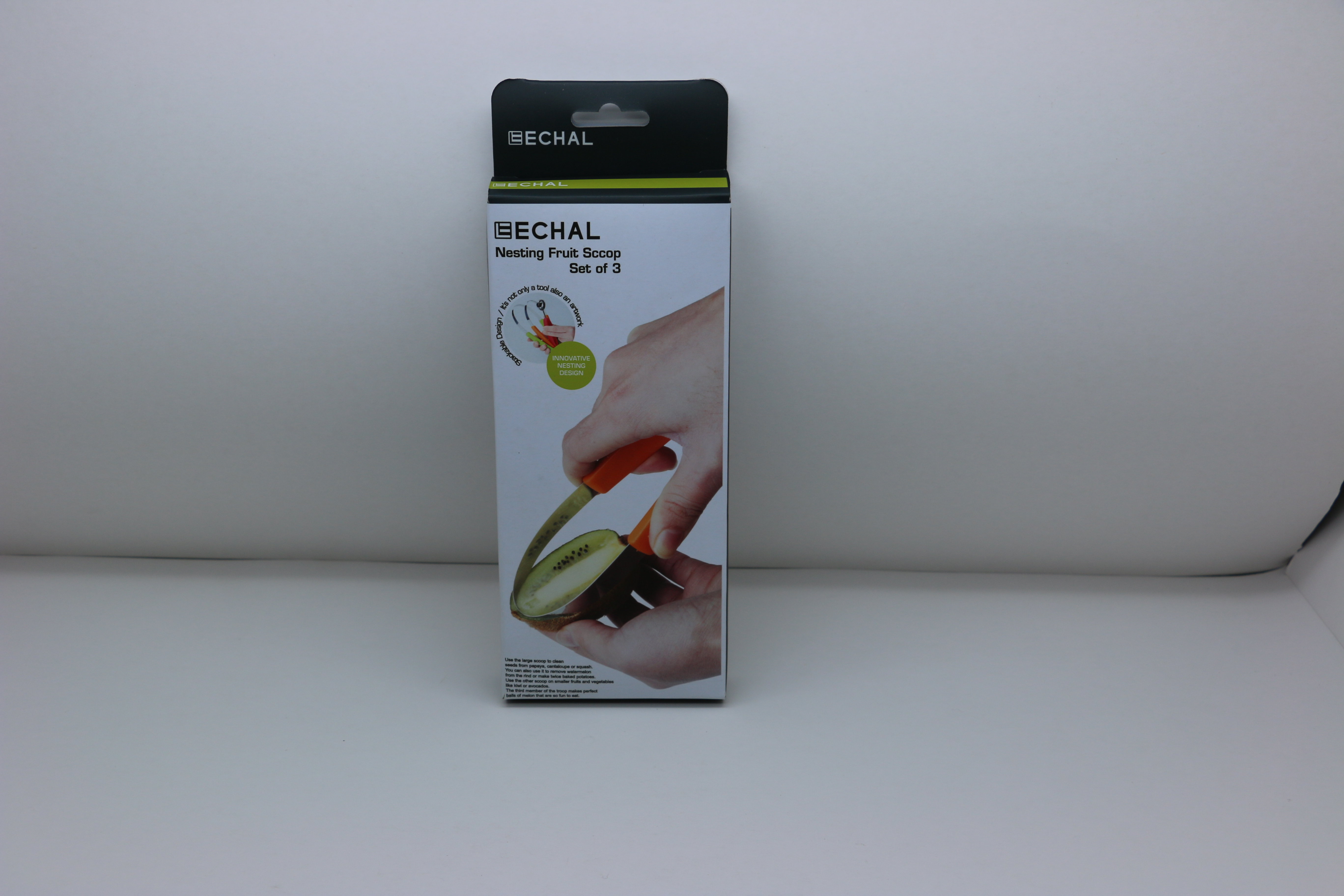
A fruit spoon factory focuses on tools designed to scoop, shape or remove fruit flesh. The core product is usually a spoon-shaped head attached to a handle, allowing the user to create rounded fruit portions for salads, desserts, catering trays and decorative garnishes. In the original product description, the tool is presented with a stainless steel spoon head, a curved ergonomic handle, soft color options such as pink, blue and gray, and a nesting design that helps save kitchen storage space.
For a consumer, these details affect convenience. For a buyer sourcing from a factory, they also affect positioning, packaging, shelf appeal and after-sale satisfaction. A supermarket buyer may prioritize price stability and packaging durability, while a hotel supply distributor may focus on grip comfort and repeat-use performance. An OEM brand may care most about color matching, logo placement and carton consistency. The factory should be able to explain what is standard and what requires customization.
Product Design Points Buyers Should Check
Fruit spoons look straightforward, but small design differences can change the user experience. The spoon head should enter ripe fruit without excessive pressure and release the fruit cleanly enough for regular kitchen tasks. If the edge is too dull, the user may crush soft fruit. If it is too sharp or poorly finished, it can feel unsafe or rough during handling.
The handle is equally important. A curved ergonomic handle can make repeated scooping more comfortable, especially in catering, bakery and meal-preparation settings. If the product is sold as a set, a nested structure may make storage easier for consumers and reduce clutter in drawers. Color options can also matter for retail merchandising, but buyers should ask whether the colors shown are standard stock colors or subject to minimum order requirements.
Comparison Checklist for Factory Evaluation
| Evaluation Area | What to Check | Questions to Ask the Supplier |
|---|---|---|
| Spoon head | Shape, finish, smoothness and suitability for ripe fruits | What material is used, and can you provide a material statement for the order? |
| Handle design | Comfort, grip shape, balance and color consistency | Are pink, blue and gray standard colors or custom options? |
| Storage | Whether the tools nest neatly without sticking or scratching | Can samples be tested in the intended retail packaging? |
| Durability | Resistance to bending, loose joints or rough edges | What in-process and final inspections are performed? |
| Packaging | Retail card, box, bulk pack or private-label format | What packaging formats are available, and what artwork files are required? |
| Commercial terms | MOQ, lead time, payment terms and shipping method | Can you confirm these details in a written quotation? |
Quality and Safety Questions to Ask Before Ordering
Because kitchen tools come into contact with food, buyers should be careful with claims. If a supplier describes a product as rust-resistant, food-contact safe or dishwasher safe, ask how that claim is supported and whether documentation is available for your target market. Requirements can differ by country and sales channel, so the buyer should not assume that one document applies everywhere.
Before placing a large order, request production samples or pre-production samples. Test the tool with watermelon, cantaloupe, honeydew and pineapple if those are the fruits most relevant to your market. Check whether the spoon head deforms, whether the handle remains comfortable when wet, and whether the edge finish is smooth enough for normal handling. Also inspect the packaging after shipping simulation or carton drop handling if the product will be sold through retail or e-commerce channels.
Wholesale, OEM and Private-Label Considerations
When sourcing from a fruit spoon factory, clear communication prevents costly misunderstandings. If you need wholesale stock, confirm the exact product, color mix and packing method. If you need OEM or private-label production, ask about logo placement, custom color availability, packaging artwork requirements and sample approval steps. Do not assume customization is included in the base price.
- Share your target market, sales channel and expected order quantity.
- Request a quotation that separates product cost, packaging cost and any customization charges.
- Confirm the sample policy and whether the sample matches mass production materials and colors.
- Ask for a production timeline, including artwork approval, sample confirmation and shipment preparation.
- Define inspection criteria in writing before production starts.
Buyers should also consider how the product will be presented. A fruit spoon set with soft colors may appeal to home kitchen users, while a more neutral presentation may suit hospitality supply. Nested storage can be highlighted in consumer-facing content because it solves a common kitchen drawer problem. However, claims should remain accurate and based on the actual product supplied.
How to Assess Samples in Real Kitchen Use
Sample testing should be practical rather than complicated. Wash the tools, dry them, and use them repeatedly with fruits of different firmness. Note how cleanly the spoon enters the fruit, whether the ball shape is consistent, and whether the user needs too much wrist pressure. For retail products, invite several people to test the handle, because hand size and grip preference vary.
After use, clean the tool according to the supplier’s care guidance. If the supplier has not provided care instructions, ask for them. Look for trapped pulp near joints, discoloration, water spots, rough edges or looseness. These observations help you decide whether the item is suitable for your price point and customer expectations.
Practical FAQ
What is a fruit spoon used for?
It is used to scoop portions from fruits such as melon and pineapple. Many users use it for fruit salad, dessert decoration, catering trays and everyday fruit preparation.
Should I choose a stainless steel spoon head?
The original product information mentions a stainless steel spoon head, which is common for fruit scooping tools. Buyers should still ask the supplier to confirm the exact material used for the order and provide relevant documentation when needed.
Are colored handles suitable for wholesale orders?
Yes, colored handles such as pink, blue and gray can help retail appeal. Confirm whether these colors are standard, whether mixed-color cartons are available, and whether custom colors require a separate MOQ.
What should I ask a fruit spoon factory before placing an OEM order?
Ask about MOQ, sample process, lead time, logo options, packaging formats, color matching, inspection standards and shipping terms. Get all agreed details in writing before production.
How can I reduce quality risks?
Approve physical samples, define inspection points, check packaging strength, and test the tool with real fruit. For larger orders, consider third-party inspection based on your market requirements.
Final Sourcing Advice
A fruit spoon is a small tool, but buyers should evaluate it with the same discipline used for other kitchenware products. Look beyond appearance and confirm comfort, scooping performance, storage convenience, packaging and supplier communication. A capable fruit spoon factory should be able to answer practical questions clearly, provide samples for review, and support consistent production according to agreed specifications.
