




Fruit Spoon Factory: Practical Sourcing Guide for Buyers
Fruit spoons, melon ballers, and fruit scoop sets are small kitchen tools, but they can create large sourcing questions for importers, retailers, promotional buyers, and hospitality suppliers. A well-chosen fruit spoon should feel comfortable in the hand, cut or scoop cleanly through common fruits, store easily, and match the needs of the target market. For B2B buyers, the goal is not simply to find an attractive product photo. It is to confirm whether a fruit spoon factory or supplier can provide consistent quality, clear communication, suitable packaging, and dependable order execution.
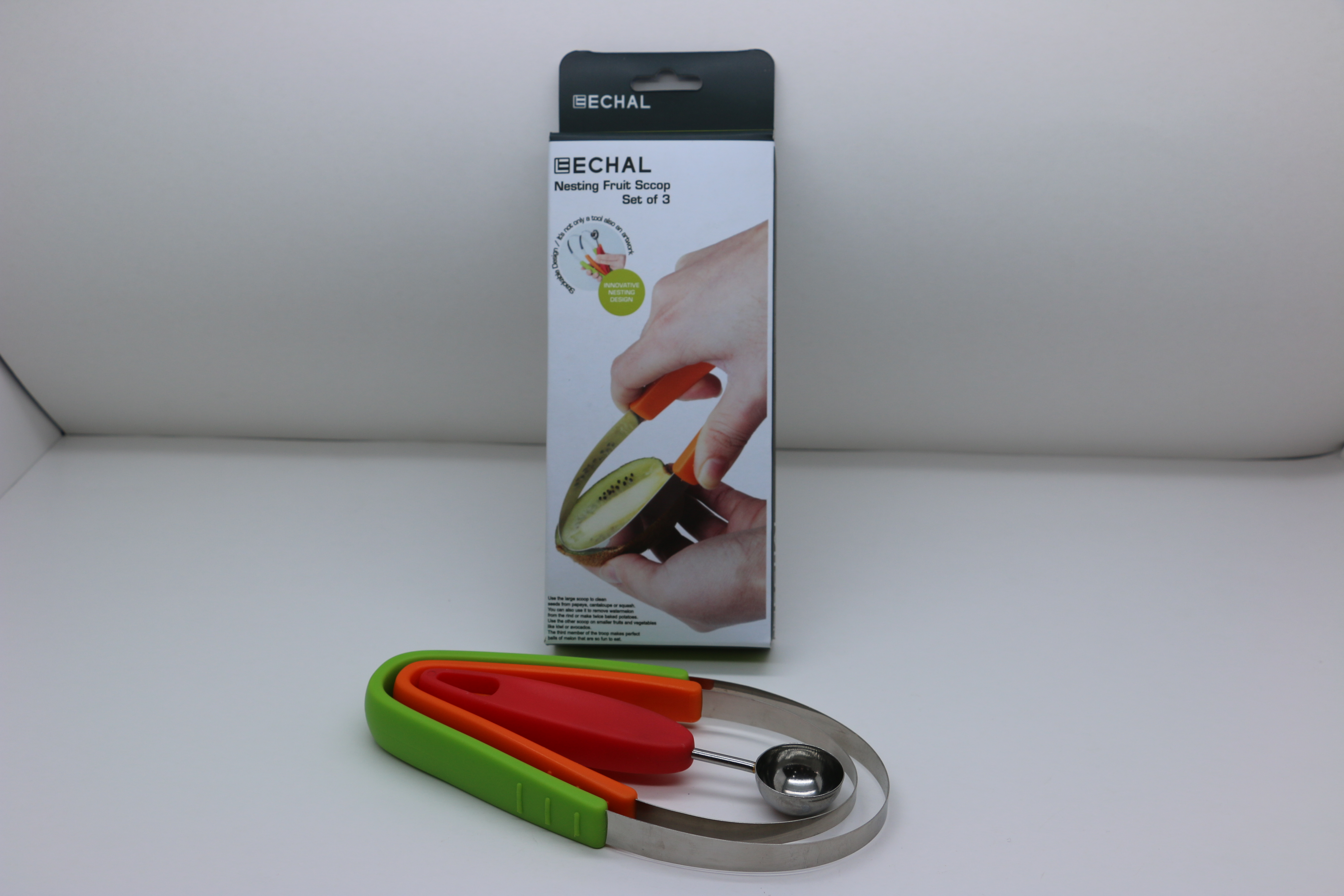
The original product description highlights a fruit scoop set with a stainless steel scoop, soft color options such as pink, sky blue, and gray, an ergonomic handle, and a nesting design for drawer-friendly storage. Those are useful starting points. This guide explains how to evaluate such features in a practical sourcing process without assuming unverified specifications.
What a Fruit Spoon Factory Typically Supplies
A fruit spoon factory may produce single fruit scoops, double-ended melon ballers, multi-piece fruit tool sets, or private-label kitchen accessories. Some suppliers focus on ready-made wholesale items, while others may offer OEM or customized packaging services. Before discussing price, buyers should define the intended channel: supermarket retail, online marketplace, gift set, catering supply, hotel procurement, or promotional campaign.
Fruit spoons are commonly used for melon balls, fruit salads, dessert plating, cocktail garnishes, and decorative food preparation. In consumer packaging, color and storage convenience can influence purchasing decisions. In hospitality or foodservice settings, durability, cleanability, and repeat-use comfort may matter more than decorative appearance.
Product Features to Review Before Ordering
Do not rely only on catalog wording. Ask for samples and inspect the tool as an end user would. For the fruit scoop set described in the source material, the stainless steel scoop, ergonomic handle, soft color choices, and nesting storage design are all features worth checking physically.
- Scoop edge: Check whether the rim is smooth enough for safe handling but shaped well enough to scoop fruit efficiently.
- Handle comfort: Hold the tool with wet and dry hands to see whether the grip feels stable.
- Material confirmation: If stainless steel is stated, ask the supplier to identify the grade and provide relevant material information rather than assuming it.
- Color consistency: For pink, sky blue, gray, or other colors, ask how color is controlled across production batches.
- Storage design: Test whether the nesting design actually saves space and whether pieces separate easily after storage.
Comparison Checklist for Fruit Spoon Buyers
The table below can help purchasing teams compare samples from different suppliers or factories. It is especially useful when multiple products look similar in online catalogs.
| Check Point | What to Look For | Questions to Ask the Supplier |
|---|---|---|
| Scoop performance | Clean scooping through melon, kiwi, or soft fruit without excessive pressure | Can you provide sample pieces for functional testing? |
| Handle design | Comfortable grip, balanced weight, no sharp seams | Can the handle color or shape be customized? |
| Material details | Clear identification of metal and handle materials | What material information or test reports are available? |
| Packaging | Retail-ready, e-commerce safe, or bulk packaging as required | What packaging formats are available for wholesale or OEM orders? |
| Quality control | Consistent finish, stable assembly, matching colors | What inspection steps are used before shipment? |
| Commercial terms | Lead time, MOQ, payment terms, and sample policy clearly stated | What are the current MOQ and production lead time for this item? |
How to Evaluate a Fruit Scoop Set Sample
Sample review should be structured. First, inspect the visible finish: the scoop should be clean, the handle surface should be free from obvious defects, and the pieces should fit neatly if the set uses a nesting design. Second, test real usage. Try scooping firm melon, softer watermelon, and smaller fruit portions. A tool that works only in ideal conditions may create customer complaints later.
Third, wash and dry the sample several times according to the supplier's care guidance. Look for looseness, trapped water, staining, or changes in surface appearance. If the supplier claims dishwasher suitability, request written confirmation and supporting information. Do not add dishwasher-safe claims to your product listing unless the factory can support them.
OEM, Wholesale, and Packaging Questions
For wholesale buyers, packaging can be as important as the utensil itself. A fruit spoon sold online may require packaging that protects the scoop edge during shipping. A retail store may prefer hanging cards, color boxes, or compact sets that show the product clearly. A promotional buyer may need logo placement, barcode labeling, or language-specific instructions.
When discussing OEM or private-label projects, keep questions specific:
- What is the minimum order quantity for standard colors and for custom colors?
- Can the supplier match pink, sky blue, gray, or other colors using a defined color reference?
- What artwork files are required for packaging or logo printing?
- How are pre-production samples approved before mass production?
- What carton details, labeling options, and shipping marks can be provided?
These questions help prevent misunderstandings and avoid adding unverified claims to product pages or retail packaging.
Quality and Compliance: What Buyers Should Confirm
Kitchen tools that contact food may be subject to market-specific requirements. Requirements can differ by destination country, sales channel, and product material. A responsible buyer should ask the fruit spoon factory or supplier what documents are available for the exact item being purchased. This may include material declarations, food-contact related information, or third-party test reports if applicable. The key point is to verify documents for the exact product, not a different utensil or an older batch.
Also ask how the supplier controls production consistency. Useful topics include incoming material checks, in-process inspection, final inspection, defect handling, and sample retention. The supplier does not need to overpromise; clear, documented routines are more valuable than vague quality language.
Key Takeaways
- Start with the intended sales channel before choosing a fruit spoon design.
- Verify stated features such as stainless steel parts, ergonomic handles, color options, and nesting storage through samples.
- Ask practical B2B questions about MOQ, lead time, packaging, customization, and inspection.
- Do not publish material, safety, or performance claims unless the supplier can support them for the exact product.
Practical FAQ
What is the difference between a fruit spoon and a melon baller?
A fruit spoon is a broad term for tools used to scoop or serve fruit. A melon baller usually has a rounded scoop designed to form fruit balls. Some products may be marketed under both names, so buyers should review the actual shape and function.
Are colored handles suitable for wholesale orders?
Colored handles can help a product stand out, especially in retail sets. Buyers should ask how color matching is managed, whether custom colors are possible, and whether batch-to-batch variation is controlled.
Should I request samples before placing a bulk order?
Yes. Samples allow you to test grip comfort, scoop performance, finish, packaging, and storage design. For OEM orders, a pre-production sample is especially important before mass production begins.
What information should I ask a fruit spoon factory for?
Ask for material details, available packaging, MOQ, lead time, customization options, sample policy, inspection process, and any documents needed for your target market. Confirm all details in writing before ordering.
How can I reduce customer complaints?
Choose a design that matches real use, test samples with different fruits, confirm packaging protection, and avoid unsupported claims. Clear product instructions and accurate listings also help set the right expectations.
