




Fruit Spoon Factory: Sourcing Fruit Ball Tools for Wholesale
A fruit spoon, often called a fruit baller or fruit scoop, is a small kitchen tool used to scoop rounded portions from watermelon, melon, cantaloupe and similar fruits. For retailers, importers, hospitality suppliers and promotional product buyers, the sourcing question is not only whether the tool looks attractive. It is whether a factory can deliver a practical product that suits the intended market, packaging format, quality expectations and price position.
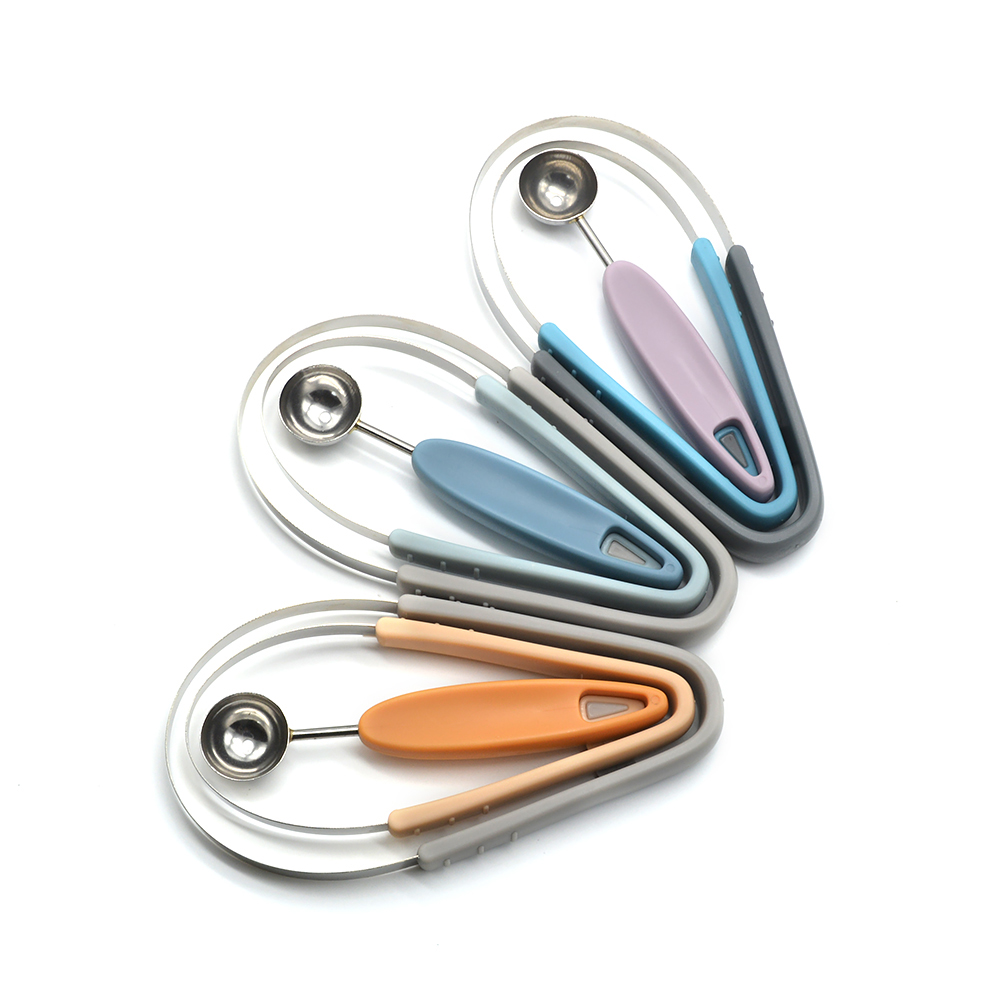
The original product concept highlights several useful features: stainless steel scoop heads, ergonomic handles in soft pastel colors such as lavender purple, sky blue and light gray, and a nesting design that helps save storage space. Those details make the product relevant for home kitchens, catering prep, fruit platters and summer entertaining. This guide explains how to evaluate a fruit spoon factory without relying on unsupported claims or generic sales language.
What a Fruit Spoon Factory Typically Supplies
A fruit spoon factory may produce individual scoops, multi-piece sets, nesting fruit tools, or private-label versions for wholesale customers. The core function is simple: the rounded scoop cuts into fruit flesh and releases a ball-shaped portion. However, small design decisions affect the user experience. Buyers should review the scoop diameter, edge shape, handle grip, balance, weight and ease of cleaning.
If the product is intended for supermarkets or kitchenware stores, appearance and packaging may matter as much as function. If the product is intended for restaurants, caterers or food-service distributors, durability, cleaning convenience and repeatable performance become more important. For OEM or private-label projects, ask whether the supplier can discuss color matching, packaging artwork, logo placement and sample approval steps before production.
Key Product Features to Evaluate
The existing article describes stainless steel scoop heads and ergonomic pastel handles. These are useful starting points, but buyers should confirm the details instead of assuming every model is identical. Stainless steel can vary by grade, thickness and surface finish, and those specifications should be requested directly from the supplier. An ergonomic handle should be checked in hand, because grip comfort depends on shape, texture, width and balance.
- Scoop head: Ask about material, thickness, polishing, edge sharpness and resistance to deformation during normal use.
- Handle: Check whether the handle feels secure when wet and whether the color finish is consistent across samples.
- Nesting design: Confirm whether pieces fit together firmly for storage and whether they are easy to separate.
- Cleaning: Ask whether there are seams, gaps or joints that may trap fruit fibers or moisture.
- Packaging: Review retail box, blister card, hang tag or bulk packing options according to your channel.
Comparison Checklist for Buyers
Before choosing a fruit spoon factory, compare samples from several suppliers under the same conditions. Use melon, watermelon and softer fruit to test cutting, scooping and release. Also test how the tool feels after repeated use, not just on the first scoop.
| Evaluation Point | What to Check | Questions to Ask the Supplier |
|---|---|---|
| Scoop performance | Roundness of fruit balls, cutting ease and release | What scoop sizes are available, and can samples be tested before order confirmation? |
| Material details | Stainless steel head, handle material and finish | What material specifications can be provided for the head and handle? |
| Handle comfort | Grip shape, balance and slip resistance | Can the handle color, texture or shape be adjusted for an OEM project? |
| Nesting or storage | How well the pieces fit together | Is the nesting structure part of the standard design or only available for certain sets? |
| Packaging readiness | Retail presentation, barcode area and shipping protection | What packaging formats are available, and who supplies artwork templates? |
| Quality control | Consistency across multiple samples | What inspection steps are used before shipment, and can an inspection checklist be shared? |
OEM and Wholesale Sourcing Questions
For B2B buyers, a reliable sourcing process begins with clear questions. Do not rely only on product photos. Request samples, written specifications and packaging details. If the order is for a new retail program, ask how the supplier handles pre-production samples and approval records. If the order is for a promotional campaign, confirm whether colors and logos can be produced consistently across the full batch.
Commercial details such as minimum order quantity, production lead time, payment terms and shipping method should be confirmed directly with the supplier. The same applies to compliance documentation, test reports or destination-market requirements. A factory may be able to support these topics, but buyers should ask for current documents that match the exact product, material and shipment.
How to Assess Sample Quality
Sample checking should be practical and repeatable. Start by inspecting the tool visually. Look for burrs, rough edges, loose handles, color inconsistency, uneven polishing or visible gaps at the joint between the scoop head and handle. Then use the tool on different fruits. A good fruit spoon should cut cleanly without excessive force and should release the fruit ball without requiring the user to dig it out with another utensil.
After use, wash and dry the sample according to the supplier's care instructions. Check whether water remains trapped in any joint or hollow area. If the tool is part of a nesting set, assemble and separate the pieces several times. The design should save space without becoming difficult to handle. Buyers placing larger orders may also create an internal scoring sheet so purchasing, quality and sales teams can compare feedback consistently.
Use Cases and Market Fit
Fruit spoons are suitable for more than decorative fruit platters. They can be used in home kitchens for snacks, in catering operations for buffet preparation, and in cafes or dessert shops that present melon, sorbet or garnish portions. Pastel handle colors such as lavender purple, sky blue and light gray can support a soft retail look, while a compact nesting design may appeal to customers with limited drawer space.
When selecting a model, match the product to the sales channel. A low-cost bulk option may work for promotional giveaways, while a better finished set may suit giftable kitchenware. Food-service buyers may prefer simpler shapes that are easy to clean and store. The best choice depends on who will use the product and how often it will be used.
Key Takeaways
- A fruit spoon factory should be evaluated by sample performance, not only by catalog photos.
- Confirm material details, handle construction, nesting design and packaging before placing an order.
- Ask direct questions about OEM options, quality checks, lead time, MOQ and documentation.
- Test fruit scoops on real fruit and review cleaning convenience after use.
FAQ
What is the main difference between a fruit spoon and a regular spoon?
A fruit spoon or fruit baller has a rounded scoop head designed to cut and shape fruit into balls. A regular spoon is usually not sharp or deep enough to create consistent rounded portions.
Should wholesale buyers choose a single scoop or a nesting set?
A single scoop may be suitable for simple retail or promotional programs. A nesting set can offer more perceived value and save storage space, but buyers should test whether the pieces fit securely and separate easily.
Can a fruit spoon factory provide custom colors?
Some suppliers may offer color customization, especially for OEM orders. Buyers should ask about available color standards, sample approval, minimum quantities and possible color variation during production.
What documents should importers request?
Importers should ask for current product specifications, packaging details and any documents required by the destination market. Do not assume compliance claims are valid unless they match the exact item being ordered.
How can buyers reduce sourcing risk?
Request samples, define specifications in writing, approve packaging before production, clarify inspection standards and confirm commercial terms such as MOQ, lead time and shipment method directly with the supplier.
