




Full Stainless Steel Tailor Scissors: What to Check Before You Buy
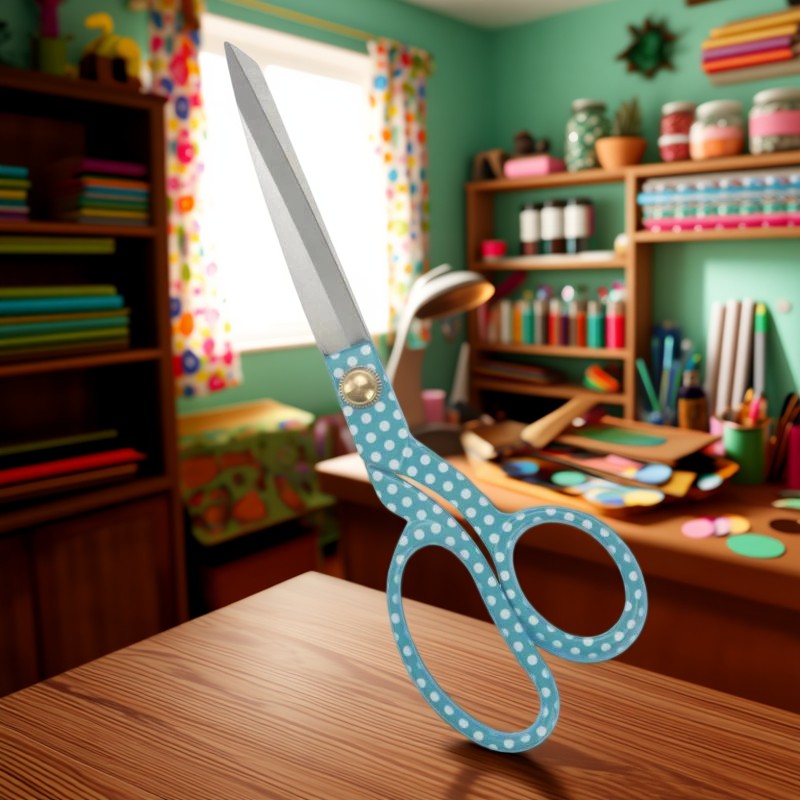
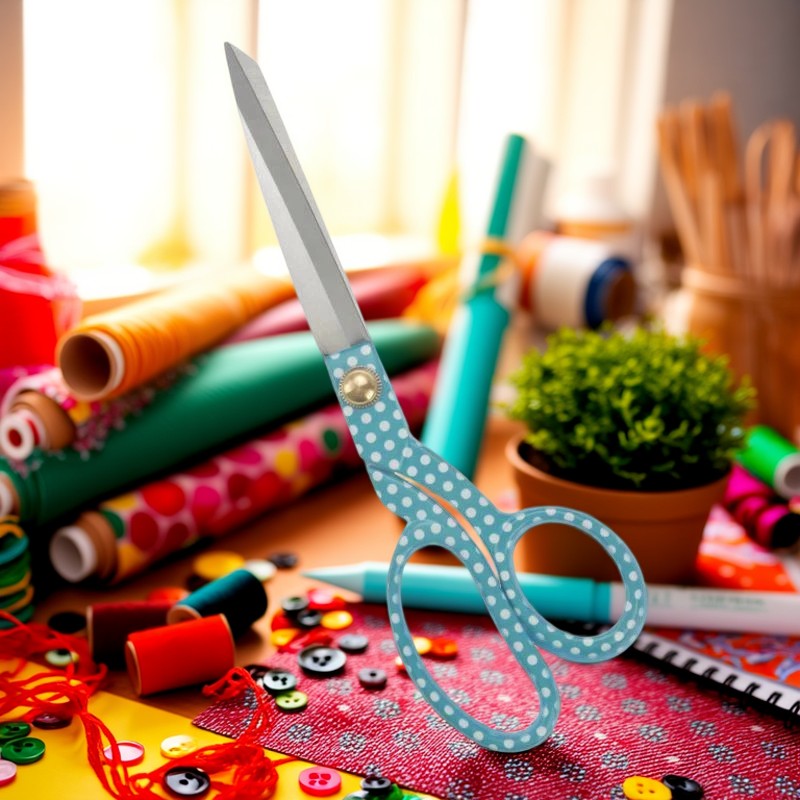
Full stainless steel tailor scissors are a core tool for sewing rooms, alteration shops, fashion studios, and serious home makers. A good pair should cut cleanly, feel controlled in the hand, and hold up to repeated use on common garment fabrics. The original product shown here features a full stainless steel scissor body, a vibrant teal handle with white polka dots, and a golden pivot screw detail, giving it a distinctive look for a sewing kit or retail display.
However, choosing tailor scissors should not be based on appearance alone. For clean garment cutting, buyers should look at blade alignment, handle comfort, pivot stability, finish quality, and care requirements. This guide explains how to evaluate stainless steel tailor scissors for practical use without relying on unverified claims.
Key Takeaways
- Full stainless steel tailor scissors are valued for durability, clean cutting, and easy maintenance when properly made.
- Comfort matters: handle shape, finger clearance, and balance affect cutting accuracy during long sewing sessions.
- Before buying in bulk, ask the supplier about blade sharpness checks, pivot adjustment, packaging, sample availability, and replacement policy.
- Use fabric scissors only on fabric to preserve the edge; paper, wire, and craft plastics can dull blades quickly.
What “Full Stainless Steel” Means for Tailor Scissors
In general product descriptions, “full stainless steel” suggests that the scissor body and blades are made from stainless steel rather than a mixed plastic-and-metal construction. Stainless steel is commonly chosen because it resists everyday corrosion better than many untreated metals and is easy to wipe clean after use. That said, the phrase alone does not confirm a specific steel grade, hardness level, blade angle, or sharpening process. Those details should be verified with the supplier if they matter for your application.
For tailoring, stainless steel scissors are typically used for garment fabrics such as cotton, linen, polyester blends, denim, and lighter materials. Very delicate or very heavy fabrics may require different blade lengths, edge geometry, or scissor weight. If you cut a wide range of textiles, request a sample and test it on the fabrics you actually use.
Design and Handling: More Than a Decorative Handle
The teal handle with white polka dots gives these scissors a recognizable visual identity. For personal sewing rooms, that can make the tool easier to spot among threads, rulers, and pattern pieces. For shops and wholesalers, a distinctive handle can also help differentiate products on a shelf or in an online listing.
Still, handle design should be judged by how it performs in the hand. A tailor often makes long, continuous cuts, short notches, and curved cuts around pattern pieces. If the handle openings are too small, too sharp at the edges, or poorly balanced, the user may lose control or experience hand fatigue. When evaluating samples, check whether the grip supports a natural cutting angle and whether the lower blade stays steady against the cutting surface.
Blade Performance: Clean Edges Are the Real Test
Scissors can look polished and still perform poorly if the blades are misaligned or unevenly sharpened. The best practical test is simple: cut several fabric types in long strokes and inspect the edge. A good pair should move smoothly without chewing, folding, or pushing the fabric away from the blade. On thin fabric, the tip should still make accurate snips without leaving ragged threads.
Because the original description highlights precision cutting, buyers should verify that performance with their own materials. For example, a dressmaker may test chiffon, lining fabric, cotton poplin, and denim. A repair shop may test trouser fabric, pocketing, and patches. A retailer may test only a few standard swatches but should still check consistency across multiple pairs.
Comparison Checklist for Selecting Tailor Scissors
| Selection Point | What to Check | Why It Matters |
|---|---|---|
| Blade alignment | Close the scissors slowly and watch whether the blades meet evenly from pivot to tip. | Poor alignment can snag fabric or leave uncut threads. |
| Cutting feel | Test long cuts and short snips on the fabrics you use most. | Smooth movement improves accuracy and reduces wasted fabric. |
| Pivot screw | Check whether the golden pivot screw feels stable and whether blade tension is appropriate. | A loose or overly tight pivot affects control and durability. |
| Handle comfort | Hold the scissors for several minutes and simulate cutting curves and straight lines. | Comfort is important for frequent sewing, pattern cutting, and alterations. |
| Finish quality | Look for burrs, rough handle edges, scratches, or uneven coating. | A clean finish is safer, more comfortable, and better for retail presentation. |
| Supplier support | Ask about samples, packaging, inspection process, and after-sales handling. | Clear answers reduce risk for wholesale, OEM, or repeat purchasing. |
Use and Care Tips for Longer Service Life
Even strong scissors can lose performance if they are used incorrectly. Keep one pair dedicated to fabric and avoid cutting paper patterns, adhesive tape, cardboard, wire, or zippers unless the scissors are specifically intended for those materials. Paper and glue residue can dull the edge and make fabric cutting less precise.
- Wipe the blades after use, especially after cutting lint-heavy or treated fabrics.
- Store the scissors closed in a dry drawer, sleeve, or tool roll.
- Do not drop them; an impact can damage the tip or alter blade alignment.
- If cutting becomes rough, have the scissors sharpened by someone familiar with sewing shears.
- Keep the pivot area clean so the blades open and close smoothly.
If the scissors are shared in a classroom, studio, or workshop, label them as fabric-only tools. This small habit helps preserve cutting quality and avoids disputes over damaged blades.
Questions Wholesale and OEM Buyers Should Ask
For distributors, sewing kit brands, craft retailers, and promotional product buyers, appearance is only one part of procurement. Before placing a larger order, ask practical questions and request written confirmation where relevant. Do not assume details that are not stated in the product information.
- What stainless steel grade is used for the blades and body?
- How is blade sharpness or cutting performance checked before shipment?
- Can the pivot tension be adjusted, and how is consistency controlled?
- Are samples available for fabric testing before bulk purchase?
- What packaging options are available for retail, e-commerce, or sewing kits?
- Can the handle color, pattern, branding, or label be customized?
- What are the current MOQ, lead time, and replacement terms for defective items?
These questions are especially important when buying scissors for resale. Consistent cutting performance and presentation quality affect customer reviews, returns, and long-term supplier relationships.
FAQ
Are full stainless steel tailor scissors suitable for beginners?
Yes, they can be suitable for beginners if the scissors feel comfortable and cut fabric smoothly. Beginners should choose a size they can control and use the scissors only for fabric.
Can these scissors cut denim?
The original description mentions use on heavier fabrics like denim, but performance should be tested on your specific denim weight and number of layers. Very thick seams may require heavier-duty shears.
How do I know when tailor scissors need sharpening?
If the scissors start pushing fabric, leaving uncut threads, or requiring extra pressure, the edge may be dull or the pivot may need attention. Clean the blades first, then consider professional sharpening.
Should retailers choose decorative scissors like the polka dot design?
A decorative handle can help a product stand out, but retailers should still prioritize cutting quality, comfort, finish consistency, packaging, and supplier reliability.
What should I confirm before bulk ordering?
Confirm material details, sample testing results, packaging, inspection process, MOQ, lead time, customization options, and how the supplier handles quality issues after delivery.
Final Thoughts
Full stainless steel tailor scissors can be a dependable everyday tool when the blades, pivot, handle, and finish are well made. The teal polka dot design adds personality, but the best buying decision comes from hands-on testing and clear supplier communication. Whether you are sewing at home, equipping a studio, or sourcing for resale, evaluate scissors by how cleanly and comfortably they cut the fabrics that matter most to you.
