




Garlic Crusher and Pull Food Chopper Buying Guide
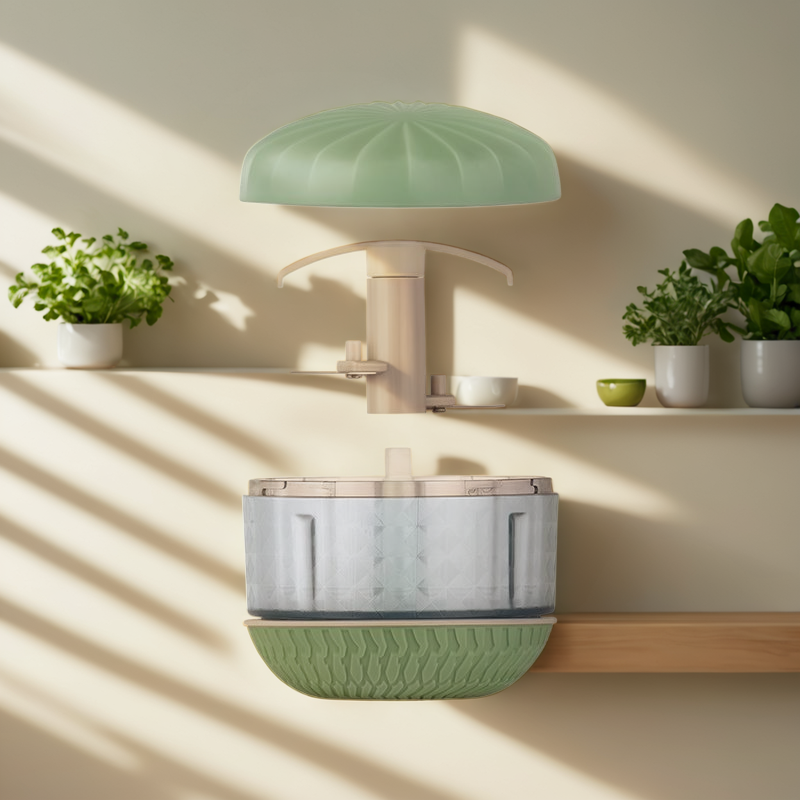
A garlic crusher can be a small tool with a noticeable impact on daily cooking. For home cooks who prepare garlic, herbs, onions, nuts, or small batches of vegetables, a hand-powered pull food chopper offers an alternative to a traditional garlic press or knife. The product described in the original article is a compact, non-electric chopper with a pastel green lid inspired by a lotus flower, a clear textured bowl, a pull mechanism, dual-layer stainless steel blades, detachable components, and a non-slip base. This guide explains where such a tool fits in the kitchen, how to select one, and how to use and care for it without treating it as a one-size-fits-all solution.
Key Takeaways
- A pull chopper is best for quick mincing and small-batch prep, especially garlic and soft vegetables.
- Compared with a garlic press, it gives more control over texture, from coarse chop to finer mince.
- Look closely at blade design, bowl grip, lid fit, cleaning access, and replacement part availability.
- Do not overload the bowl; smaller batches usually give more even results.
- Hand washing and careful blade handling help maintain performance and safety.
What This Garlic Crusher Is Designed to Do
This type of garlic crusher is not a heavy countertop appliance. It is a manual chopper powered by a pull cord mechanism. When the user pulls the handle, the internal blades rotate and cut the ingredients inside the bowl. The more pulls you make, the finer the result typically becomes. That makes it useful when you want to mince garlic for sauces, chop onions for quick cooking, cut herbs, or prepare small quantities of nuts for toppings.
The original product description highlights a clear textured bowl, which is useful because you can check the ingredient size without opening the lid. A stable grip and non-slip base can also help when using the pull mechanism on a countertop. The pastel green lid is an aesthetic detail, but the more important buying factors are how securely the lid locks, how easily the parts detach, and whether the blades sit firmly in place during use.
Garlic Crusher vs Garlic Press vs Knife
Choosing the right tool depends on the texture you want, the amount you prepare, and how much cleaning you are willing to do afterward. A garlic press is often fastest for one or two cloves, while a knife gives the most control but requires skill and a cutting board. A pull chopper sits between the two: it can handle garlic plus other ingredients, but it works best in modest quantities.
| Tool | Best For | Texture Control | Cleaning Effort | Limitations |
|---|---|---|---|---|
| Pull garlic crusher / food chopper | Garlic, herbs, onions, small vegetables, nuts | Good; add pulls for finer chopping | Moderate; blade and lid need attention | Not ideal for very large batches or very hard foods |
| Garlic press | One to several garlic cloves | Limited; usually crushed or pressed | Can be fiddly if garlic remains in holes | Mostly single-purpose |
| Chef's knife | Any quantity with manual control | Excellent with practice | Low; board and knife only | Requires technique and more time |
| Electric mini chopper | Larger or repeated batches | Good but can over-process quickly | Moderate to high | Needs power and takes more storage space |
How to Choose a Manual Garlic Chopper
When comparing manual choppers, avoid judging only by color or shape. A lotus-inspired lid or a modern pastel finish may suit your kitchen, but performance depends on construction details. Since not every supplier publishes the same specifications, buyers should ask practical questions before purchasing.
- Blade arrangement: Dual-layer stainless steel blades, as described for this product, can help cut ingredients at different heights in the bowl. Ask whether the blade unit is removable for cleaning.
- Bowl visibility: A clear bowl lets you monitor chopping progress and stop before ingredients become too fine.
- Grip and stability: A textured bowl and non-slip base can reduce movement while pulling the cord.
- Lid fit: The lid should sit securely so ingredients stay contained during use. Ask how the pull mechanism is protected from food residue.
- Capacity: Confirm the actual usable capacity, not just the total bowl volume, because overfilling reduces chopping consistency.
- Cleaning access: Detachable components are helpful, but buyers should verify which parts are washable and whether the lid should be kept away from soaking.
Using It for Better Results
For garlic, peel the cloves first and trim any dry ends. If the cloves are large, cut them in half before placing them in the bowl. Close the lid securely, hold the bowl steady, and pull the handle in smooth motions. Stop after a few pulls to check the texture. For a coarse chop, fewer pulls are needed; for a finer mince, continue in short rounds.
For vegetables, cut pieces into similar sizes before adding them. This is especially important for onions, carrots, peppers, or celery. A manual chopper works best when the blades can move freely, so avoid packing the bowl tightly. For nuts, use short pulls and check often, because they can move from chopped pieces to powder quickly. For herbs, make sure they are dry; wet herbs may cling to the bowl and blades.
Cleaning and Care Tips
The original article notes that the components are detachable, which can make cleaning easier. Even so, sharp blades require careful handling. Remove food residue immediately after use, especially garlic, because strong odors can linger. Rinse the bowl and blade unit soon after chopping, then wash with mild dish soap and a soft sponge. Avoid reaching blindly into the bowl when the blade is installed.
The lid and pull mechanism deserve extra attention. Unless the supplier states otherwise, do not assume the lid can be soaked or placed in a dishwasher. Water trapped inside a pull mechanism can affect operation over time. Wipe the lid clean, dry all parts thoroughly, and store the blades in the bowl only if they are stable and protected from accidental contact.
Who Will Find It Most Useful?
A manual garlic crusher and pull chopper is a good match for small kitchens, quick weeknight cooking, camping-style meal prep where electricity is limited, and cooks who want one tool for garlic plus small chopping tasks. It is less suitable if you routinely prepare large quantities, need perfectly uniform dice, or prefer tools with no internal moving parts.
For retail or wholesale buyers evaluating this product category, ask suppliers for practical details rather than relying on general descriptions. Useful questions include: What is the bowl capacity? Are replacement cords, lids, or blade units available? Which parts are dishwasher safe? What packaging options are offered? What quality checks are performed on the pull mechanism? Are there warnings for hard ingredients or maximum fill levels? These questions help compare products without assuming unverified specifications.
Practical FAQ
Can this replace a garlic press?
It can replace a garlic press for many cooking tasks, especially if you want chopped or minced garlic rather than pressed garlic paste. A press may still be faster for a single clove.
Can it chop vegetables?
Yes, it can be used for small amounts of vegetables if they are cut into manageable pieces first. Do not expect it to process large batches like a full-size food processor.
How fine can it mince garlic?
The texture depends on ingredient quantity and the number of pulls. More pulls generally create a finer mince, but very wet ingredients may become uneven if the bowl is overloaded.
Is it electric?
No. The product described is hand-powered with a pull mechanism, so it does not require electricity for operation.
What should I confirm before buying?
Confirm usable capacity, cleaning instructions, blade material, lid care, warranty or replacement part options, and whether the non-slip base and detachable parts meet your usage needs.
