




Grater Factory Yangjiang: How to Source Multi-Functional Grater Sets
For importers, distributors, promotional buyers and kitchenware brands, Yangjiang is often considered when sourcing practical household tools. The city is known as a kitchenware manufacturing hub, and a grater factory Yangjiang search usually reflects a clear B2B intent: the buyer is not only looking for a product, but also for a reliable supplier that can support consistent quality, packaging needs and repeat orders.
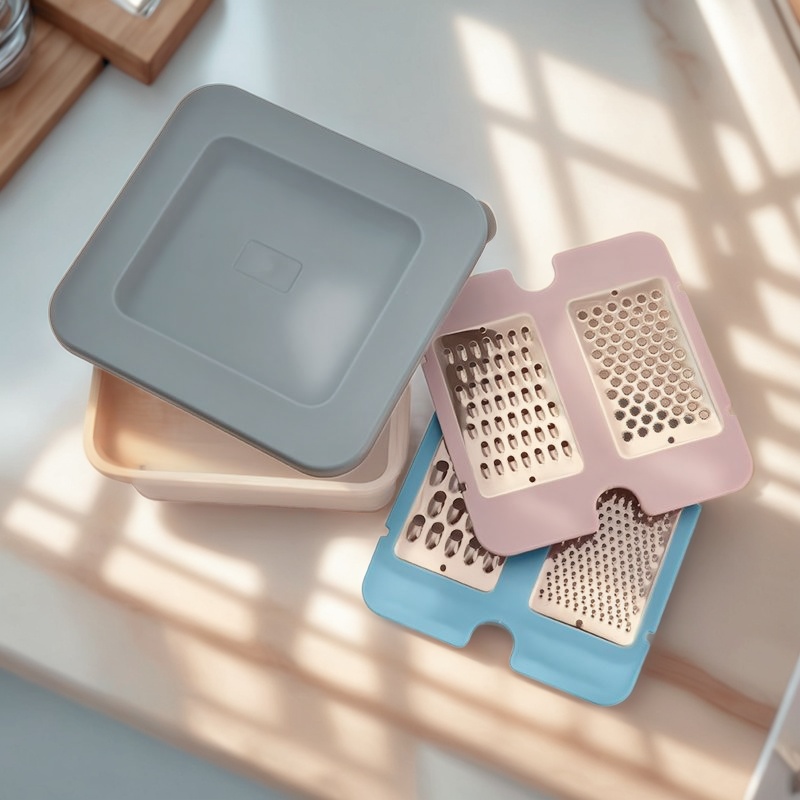
The original product focus is a Multi-Functional Grater Set with a container, a secure lid and interchangeable grater inserts. The article mentioned container color options such as blues, grays and pastels, along with stainless steel blades for grating, slicing, shredding and zesting tasks. Those are useful product facts to keep in mind, but professional sourcing should go further than appearance. Buyers should verify materials, blade sharpness, fit, cleaning convenience, carton protection and supplier communication before making purchasing decisions.
Product reference: https://bonethome.com/product/transform-your-kitchen-with-the-box-vegetable-peeler-set
Contact email: sales202@bonetcn.com
Key Takeaways
- A multi-functional grater set should be evaluated as a complete system: container, lid, inserts, grip, storage and cleaning.
- Ask the supplier to confirm blade material, plastic material, available colors, packaging options and sample lead time rather than assuming specifications.
- For wholesale and OEM sourcing, request real samples and check insert stability, blade sharpness and carton protection before placing bulk orders.
- Yangjiang sourcing can be efficient, but buyers still need clear quality requirements, inspection criteria and documented communication.
What Buyers Should Look for in a Yangjiang Grater Manufacturer
A capable Yangjiang grater manufacturer should be able to explain the product structure clearly. For this type of set, the key components are the container, lid and interchangeable inserts. The original article describes a spacious container and a secure lid, which can be valuable because users can grate directly into the container and reduce food scattered across the countertop.
For B2B buyers, the first step is to turn general descriptions into verifiable questions. Ask whether the inserts are designed for coarse grating, fine grating, slicing or shredding. Confirm whether each insert locks firmly onto the container or simply rests on top. If the set is intended for retail, request photos or videos showing how the inserts are installed, removed and stored. Small usability details often influence customer reviews and return rates.
Product Features to Verify Before Ordering
The original article states that the grater inserts are made from stainless steel and are designed for tasks such as zesting citrus, shredding hard cheeses and slicing vegetables. This is a practical starting point, but buyers should not stop at the word stainless steel. Ask the supplier to identify the grade if that information is available, and request confirmation of the plastic material used for the container and lid. If a supplier cannot provide the exact grade, record that clearly and base approval on sample testing and your market requirements.
Important product checks include:
- Blade sharpness and consistency across all inserts.
- How securely each insert fits onto the container during use.
- Whether the lid closes properly and stays in place during normal handling.
- Comfort of hand position when grating firmer foods.
- Ease of cleaning around corners, blade frames and container edges.
- Color consistency if ordering blues, grays, pastels or other customized colors.
Comparison Checklist for Multi-Functional Grater Sets
When comparing several suppliers, use a simple checklist instead of relying only on catalog photos. A table helps purchasing teams align expectations before sampling.
| Evaluation Point | Why It Matters | Question to Ask the Supplier |
|---|---|---|
| Blade inserts | Different textures affect grating, slicing and shredding performance. | How many insert types are included, and what is each one designed to do? |
| Container fit | A loose insert can make use less stable and create mess. | Does each insert snap firmly onto the container during normal use? |
| Lid design | A secure lid can help store prepared food or unused ingredients. | Is the lid included as standard, and has the closure been checked on samples? |
| Material details | Material affects durability, appearance and market suitability. | Can you confirm the blade material and container material in writing? |
| Packaging | Retail packaging influences shelf presentation and shipping damage risk. | What inner box, master carton and labeling options are available? |
| OEM options | Brands may need color, logo or packaging customization. | Which details can be customized, and what requirements apply? |
How to Review Samples from a Kitchen Tool Supplier
Sample review should simulate real use. Test the grater set with vegetables, citrus peel and firm cheese if those uses match your sales claims. Do not rely on one perfect sample. If possible, request more than one unit and compare insert fit, blade finish and plastic molding consistency.
Check for burrs, sharp plastic edges, uneven color, warped lids and gaps between insert frames and the container. The grater should feel stable on the work surface and comfortable in the hand. If the product will be sold online, take your own photos during testing to see whether the actual colors match the supplier images. For retail chains or brand programs, document sample results in a simple approval sheet so that mass production can be checked against the same points.
Packaging, Labeling and Wholesale Order Questions
A multi-functional grater set has several parts, so packaging deserves attention. Inserts should not move freely in a way that scratches the container or damages the blade frames. Ask how the factory packs the inserts, whether the lid is protected and how many sets are placed in each master carton. For e-commerce channels, the drop and vibration risks may be different from supermarket distribution, so packaging should match the selling route.
For OEM or wholesale programs, discuss artwork files, barcode placement, instruction language and whether a user guide is included. Do not assume that customized packaging, color matching or logo application is available for every order. Instead, ask the supplier what information is required to quote customization and what constraints may apply.
Quality Control Points for Bulk Production
Before confirming an order, define quality checkpoints that are easy to inspect. Useful checks include blade assembly, insert quantity, lid fit, container appearance, color matching, packaging condition and carton markings. If you have market-specific safety or labeling obligations, tell the supplier early and ask what documents or testing information they can provide. Avoid making product claims until you have supporting evidence for your destination market.
Clear communication reduces disputes. Share approved sample photos, packaging artwork, color references and inspection criteria. If the grater set is intended for a promotion, confirm the delivery schedule and packing method with enough time for corrections. If it is intended for long-term retail, ask how the supplier manages consistency between production batches.
FAQ: Sourcing Grater Sets from Yangjiang
What should I ask a grater factory in Yangjiang first?
Start with the product structure, insert types, blade material, container material, available colors, packaging options and sample availability. These answers help you decide whether the supplier matches your target market.
Can I assume all inserts are stainless steel?
No. The source article states stainless steel blades for this product, but buyers should still ask the supplier to confirm the material in writing and provide details if available.
Is a container-style grater set better than a flat grater?
It depends on the use case. A container can reduce mess and hold grated ingredients, while a flat grater may be simpler to store. Choose based on your customer profile and sales channel.
What should be checked during sample testing?
Check blade sharpness, insert stability, lid closure, plastic finish, color consistency, ease of cleaning and packaging protection.
Can the product be customized for OEM orders?
Possibly, but customization should not be assumed. Ask the supplier which colors, logos, packaging formats or labeling options are available and what requirements apply.
Final Sourcing Advice
A multi-functional grater set can be a practical kitchen item when the design, materials and packaging are properly controlled. For buyers sourcing from a Yangjiang kitchen tool factory, the best approach is to combine product appeal with disciplined supplier evaluation. Confirm the facts, test samples, define inspection standards and ask direct questions before moving to wholesale or OEM production.
