




Grater OEM Yangjiang: Practical Sourcing Guide for Kitchenware Buyers
Yangjiang is widely known as a kitchenware production hub, and many importers, retailers, distributors, and private-label brands look there when sourcing graters, peelers, slicers, and related food-preparation tools. For a buyer, however, choosing a Grater OEM Yangjiang partner is not only about finding a factory that can make a common utensil. It is about confirming whether the supplier can match your target market, retail positioning, packaging needs, inspection requirements, and repeat-order expectations.
The original sourcing message is clear: Yangjiang offers access to kitchenware manufacturing and wholesale opportunities, including OEM kitchen utensils programs. This rewritten guide expands that idea into a practical checklist for commercial buyers. It avoids assuming unverified specifications and focuses on the questions a sourcing team should ask before placing an order.
Multi-functional peeler for effortless kitchen prep
E-mail: sales202@bonetcn.com
Why Yangjiang Is Relevant for Grater OEM Sourcing
Yangjiang has a strong association with kitchenware production, especially tools used in daily food preparation. For buyers, this concentration can be useful because a sourcing trip or supplier search may uncover multiple related product categories in one region: graters, peelers, slicers, kitchen knives, and other handheld utensils. That can support product-line planning, bundled retail sets, or category expansion.
Still, location alone is not a guarantee of product fit. A Yangjiang grater manufacturer should be evaluated on its actual production experience, sample quality, communication discipline, export familiarity, and willingness to document requirements. Buyers should ask for clear product drawings, material declarations where relevant, packaging artwork rules, inspection standards, and order procedures before assuming that a supplier is ready for private-label cooperation.
Define the Product Before Asking for a Quote
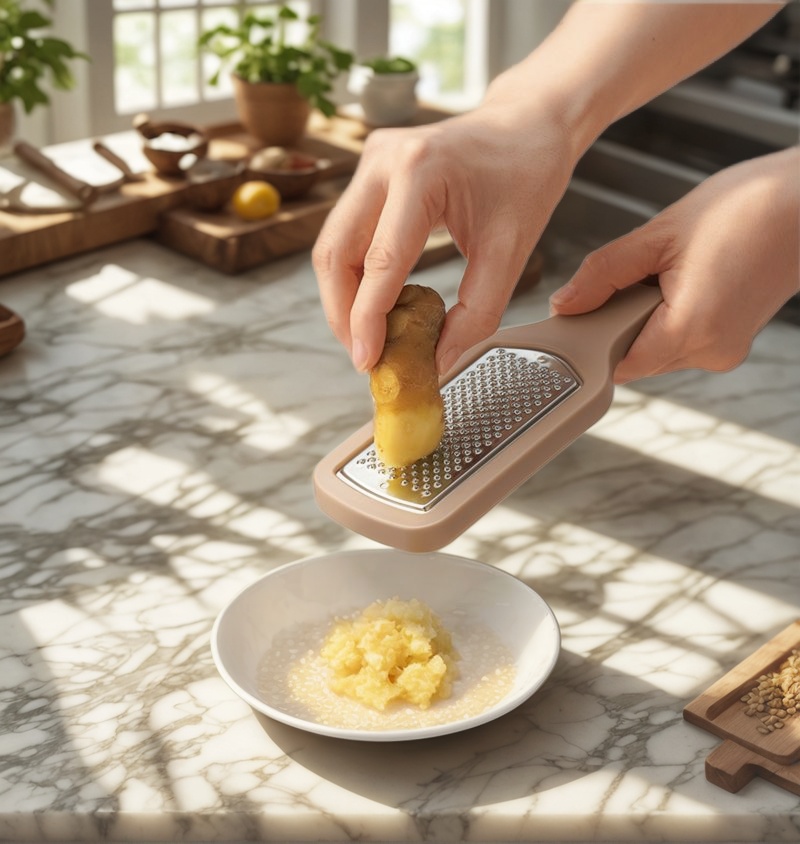
A grater can look simple, but small differences affect cost, user experience, and complaints after sale. Before requesting a quotation, prepare a specification brief. Include the intended retail channel, target user, product type, handle design preference, package format, and any legal or market requirements that apply in your destination country. If the original product concept includes stainless steel perforations, soft-touch handles, contemporary colors, or ergonomic contours, confirm those details with samples rather than relying on catalog language.
- Choose the grater type: flat grater, box grater, handheld grater, ginger grater, or multi-function design.
- Confirm the food-contact materials the supplier proposes and request written material information.
- Define the handle feel, grip area, hanging hole, non-slip feature, and overall size expectations.
- Specify packaging needs such as color box, hanging card, label, barcode, or carton marks.
- Ask whether branding is applied by printing, laser marking, label, insert card, or package artwork.
Supplier Evaluation Checklist
When comparing OEM suppliers, avoid judging only by unit price. A lower price can be useful only if the product still meets your safety, performance, packaging, and delivery requirements. A structured comparison makes it easier to separate true capability from attractive presentation.
| Evaluation Area | What to Check | Questions to Ask |
|---|---|---|
| Product experience | Relevant grater or kitchen utensil production history | Which grater styles have you produced for export or wholesale orders? |
| Customization | Logo, handle color, packaging, and design adjustment options | Which parts can be customized, and which require new tooling? |
| Quality control | Incoming material checks, in-process inspection, final inspection | What inspection points are used for sharpness, burrs, assembly, and packaging? |
| Compliance support | Documents needed for the buyer's destination market | What material or test documents can you provide, and are they current? |
| Sampling | Sample cost, lead time, revision process | How many sample rounds are included before mass production confirmation? |
| Commercial terms | MOQ, payment, lead time, carton quantity, shipping terms | What changes if we order mixed models or repeat the same SKU? |
Quality Points Buyers Should Inspect
For graters, user satisfaction depends on details that are easy to miss in photos. The perforations or cutting surfaces should be consistent, the handle should feel secure, and the product should not have rough edges that create handling risks. If the design includes stainless steel perforations, ask the supplier to confirm the exact material and provide supporting information rather than making assumptions about grade or treatment.
Sample review should include real use with typical foods such as carrots, hard cheese where suitable, ginger, citrus zest, or other items relevant to your market. Check whether the grater cuts cleanly, clogs easily, flexes during use, or feels uncomfortable after repeated strokes. Also inspect the back side of the cutting area, because burrs, sharp unfinished edges, or trapped residue points can cause returns or poor reviews.
OEM and Branding Considerations
OEM kitchen utensils can be customized in several ways, but each option has cost and timing implications. A simple logo on packaging is very different from a new handle mold, a new blade pattern, or a retail set with several tools. Before approving a project, ask the supplier to separate existing-item customization from new-product development.
For private-label buyers, packaging deserves as much attention as the utensil. Retailers may require barcodes, warning text, recycling marks, language versions, carton labels, and photo-realistic artwork approval. Online sellers may need packaging that protects the grater during parcel shipping. Distributors may prefer standard cartons that are easy to warehouse and count. Confirm these requirements early, because packaging changes late in the order process can delay production.
Wholesale Planning and Repeat Orders
Yangjiang products wholesale can support retailers and distributors that need a consistent supply of kitchen tools, but repeatability should be verified. Ask whether the supplier can keep the same design, handle color, packaging layout, and carton configuration for future orders. If color matching matters, agree on a physical color sample or recognized color reference before production.
Buyers should also clarify MOQ, production lead time, payment terms, and shipment arrangement directly with the supplier. Do not assume that all models have the same minimum order quantity or delivery schedule. A standard catalog item may be faster than a custom color or new packaging version. If you plan to build a product range, ask whether different graters, peelers, or slicers can be consolidated in one shipment and what conditions apply.
Key Takeaways
- Yangjiang is a relevant sourcing area for graters and related kitchenware, but each supplier must be evaluated individually.
- A useful RFQ should include product type, material questions, packaging needs, branding method, inspection points, and destination-market requirements.
- Samples should be tested with real foods and checked for sharpness, comfort, burrs, assembly, and packaging durability.
- OEM customization can involve anything from package branding to new tooling, so buyers should confirm cost, timing, and approval steps.
- Commercial details such as MOQ, lead time, documents, and payment terms should be requested from the supplier rather than assumed.
Practical FAQ for Grater OEM Buyers
What should I ask a Yangjiang grater manufacturer first?
Start with product scope, available models, customization options, sample timing, MOQ, packaging choices, and what quality-control process is used before shipment.
Can I request my own brand on a grater?
Many OEM kitchen utensil suppliers can discuss branding, but the available methods depend on the product and packaging. Ask whether branding is applied to the handle, body, label, insert card, or retail box.
How do I avoid quality problems in a wholesale order?
Approve a physical sample, write clear specifications, define inspection criteria, confirm packaging details, and consider third-party or pre-shipment inspection if the order value or retail risk justifies it.
Should I choose the lowest quotation?
Not automatically. Compare price together with material information, finishing quality, packaging reliability, supplier communication, sample consistency, and ability to support repeat orders.
What details should be confirmed before mass production?
Confirm the final sample, artwork, carton marks, quantity, delivery schedule, payment terms, inspection method, and any documents required for your market. If a claim is important for compliance or marketing, request written support before printing it on packaging.
