








Grater OEM Yangjiang: Practical Sourcing Guide for Kitchenware Buyers
For importers, wholesalers, and private-label kitchenware brands, searching for a Grater OEM Yangjiang partner often means looking for a supplier in one of China's best-known kitchen tool manufacturing areas. Yangjiang is widely associated with kitchenware production, and many buyers consider the city when sourcing peelers, graters, slicers, and related food-preparation tools.
The original article highlights three useful points: Yangjiang's kitchenware reputation, OEM customization, and the value of practical design. This rewritten guide expands those points into a buyer-focused sourcing checklist. It does not assume every supplier offers the same materials, certifications, prices, production capacity, or minimum order quantities. Instead, it shows what a professional buyer should verify before placing an order.
Related product reference: Multi-functional peeler for effortless kitchen prep. For commercial inquiries, buyers may contact sales202@bonetcn.com.
Key Takeaways
- Yangjiang is a common sourcing location for graters, peelers, and other kitchen utensils, but supplier capability should still be verified case by case.
- OEM projects should define blade design, handle shape, packaging, branding, inspection criteria, and target market requirements before sampling.
- Buyers should ask suppliers about materials, testing support, compliance documentation, lead times, MOQ, and production consistency rather than assuming details.
- A good grater sourcing process compares function, safety, durability, packaging, and after-sales communication, not price alone.
Why Buyers Look for Grater OEM Suppliers in Yangjiang
Yangjiang has a long association with kitchen tools and hardware manufacturing. For B2B buyers, the appeal is not only product availability but also the concentration of related supply-chain resources. A buyer sourcing a grater may also need handle components, packaging, surface finishing, assembly, labeling, and carton preparation. Working in a mature manufacturing cluster can make product development and sourcing communication more efficient.
However, buyers should avoid treating the location itself as a quality guarantee. The important question is whether a specific Yangjiang grater manufacturer can meet your requirements consistently. That includes the product design, intended retail price point, market regulations, packaging needs, and inspection standard. A supplier may be experienced with basic tools but less prepared for complex private-label programs, so early qualification matters.
Define the Grater Product Before Requesting a Quote
A clear specification is the foundation of a reliable quote. If the request is vague, suppliers may quote different assumptions, making price comparison almost meaningless. Before contacting a factory or trading partner, prepare a simple product brief that describes the grater type, intended use, and expected retail or wholesale channel.
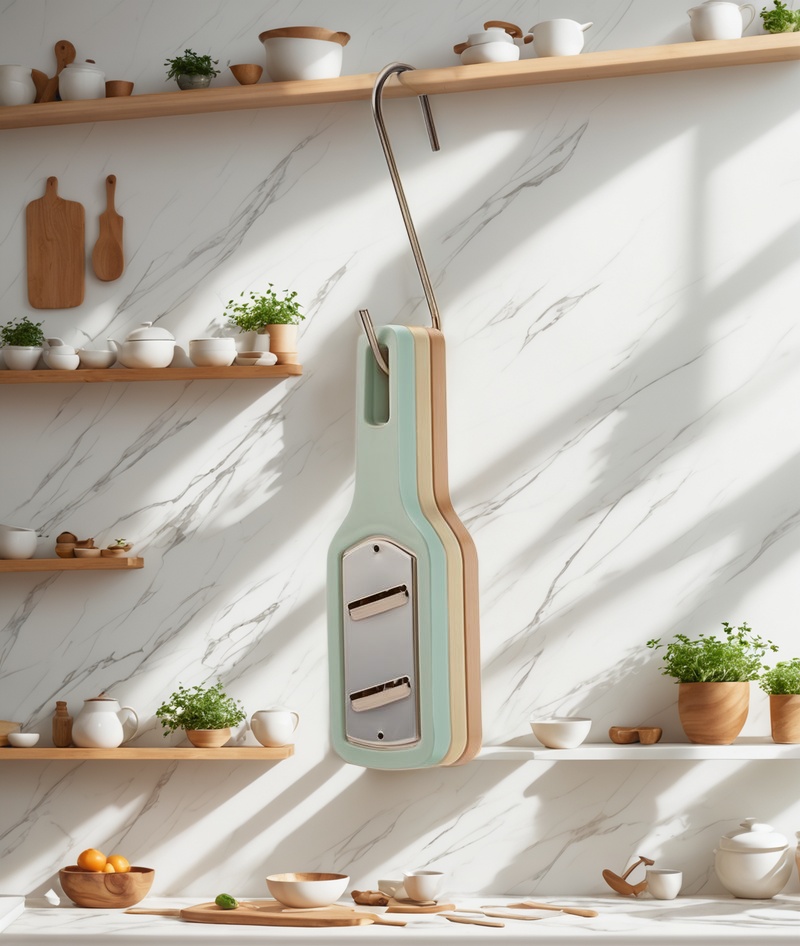
Useful details may include whether the product is a flat grater, box grater, rotary grater, handheld grater, multi-function grater, or a related kitchen tool such as a peeler. If the original design mentions ergonomic handles, pastel colors, hanging hooks, or dual blades, buyers should confirm whether those features are required and whether the supplier can produce them exactly.
- Specify the product type and target use, such as vegetables, cheese, citrus zest, or general food preparation.
- Ask what blade and handle material options are available, and request confirmation rather than assuming a material grade.
- Confirm dimensions, weight targets, color options, logo placement, and packaging format.
- Share market requirements, such as the destination country and any retailer packaging rules.
- Request samples before approving tooling, artwork, or bulk production.
OEM Customization Questions to Ask
OEM kitchen utensils can be customized in many ways, but each change may affect cost, tooling, lead time, and inspection requirements. A handle color change is usually very different from a new mold, new blade configuration, or custom retail packaging. Buyers should separate cosmetic customization from structural product development.
Important questions include: Can the supplier support private-label branding? What logo methods are available? Is custom packaging handled in-house or through a packaging partner? Does the supplier provide artwork templates? Are there mold fees or sample fees? What is the process for approving a pre-production sample? What happens if bulk goods do not match the approved sample?
If the grater will be sold under your brand, confirm who owns custom tooling and artwork files. These commercial details should be written into the purchase agreement, not handled only through chat messages.
Supplier Comparison Checklist
The table below can help buyers compare a Yangjiang products wholesale source, factory, or OEM partner. It is intentionally practical: each line focuses on something that can be requested, checked, or documented.
| Evaluation Area | What to Check | Why It Matters |
|---|---|---|
| Product sample | Function, sharpness, comfort, finish, packaging, and consistency with the quoted specification | The sample becomes the reference for bulk approval and inspection |
| Material information | Ask the supplier to state blade, handle, and packaging materials in writing | Avoids assumptions and supports accurate product listings |
| Customization scope | Logo, color, mold changes, blade style, handle shape, label, and carton requirements | Clarifies which changes are simple and which require development cost |
| Quality control | Inspection steps, defect definitions, sample retention, and final inspection options | Reduces disputes when receiving wholesale or OEM orders |
| Commercial terms | MOQ, lead time, payment terms, packing details, and shipping readiness | Determines whether the supplier fits your order plan and cash flow |
Quality Points for Graters and Peelers
For a multifunctional food grater or peeler, quality is closely connected to user safety and repeatable performance. The tool should cut efficiently without excessive force. Edges should be finished so the product feels safe to handle during normal use, cleaning, and storage. Handles should be comfortable enough for typical kitchen preparation tasks, and hanging holes or hooks should be checked for practical storage.
Buyers should request clear defect standards for issues such as rough edges, loose components, uneven color, poor printing, damaged packaging, or inconsistent assembly. If the product is intended for a regulated market, ask what documentation the supplier can provide and whether third-party testing can be arranged. Do not assume compliance claims unless the supplier provides current, relevant documents for the exact product and market.
Packaging and Retail Presentation
Packaging is part of the sourcing decision, especially for wholesale, supermarket, online marketplace, or private-label retail sales. A low-cost kitchen grater can still fail commercially if the packaging is weak, unclear, or unsuitable for shipping. Ask for dielines, print options, carton dimensions, packing quantity, barcode placement, and warnings or care instructions required by your market.
For e-commerce, consider whether the product needs extra protection against bending, scratching, or crushing in transit. For physical retail, hanging display options, product visibility, and shelf consistency may matter more. Confirm these details before the purchase order, because packaging changes late in production can delay shipment.
How to Manage Samples, Orders, and Inspection
A disciplined sample process protects both buyer and supplier. Start with available samples to understand the supplier's current product level. If the project moves forward, request customized samples that match your logo, color, packaging, and functional requirements as closely as possible. Approve a golden sample or pre-production sample before bulk manufacturing begins.
For the purchase order, include the specification, packaging details, approved sample reference, quantity, delivery terms, inspection requirements, and document requirements. If your order is large or your customer has strict standards, consider pre-shipment inspection by your team or a third party. The goal is not to create friction; it is to make expectations measurable.
FAQ
What does Grater OEM Yangjiang mean?
It refers to sourcing grater products from a Yangjiang-based supplier that can produce goods for another company's brand, design, packaging, or specification. The exact OEM service scope should be confirmed with the supplier.
Can I customize the handle, blade, and packaging?
Many suppliers may offer customization, but available options vary. Ask whether changes require new tooling, what sample fees apply, and how long development will take.
What should I ask before placing a wholesale order?
Ask about MOQ, lead time, material details, sample approval, inspection standards, packaging, payment terms, export documents, and whether market-specific testing support is available.
Is the lowest quote the best choice?
Not always. A very low quote may reflect different materials, lighter packaging, fewer inspection steps, or unclear specifications. Compare total value, not only unit price.
How can I reduce sourcing risk?
Use written specifications, approve samples, confirm packaging, define defects, keep communication records, and inspect goods before shipment when the order value or customer requirement justifies it.
Final Sourcing Advice
Yangjiang can be a strong starting point for sourcing graters, peelers, and related OEM kitchen utensils, but successful buying depends on verification. Treat each supplier as a potential partner that must prove its fit through samples, documentation, communication, and consistent production. A practical sourcing process helps buyers build reliable kitchenware programs while avoiding assumptions that lead to quality or delivery problems.
