




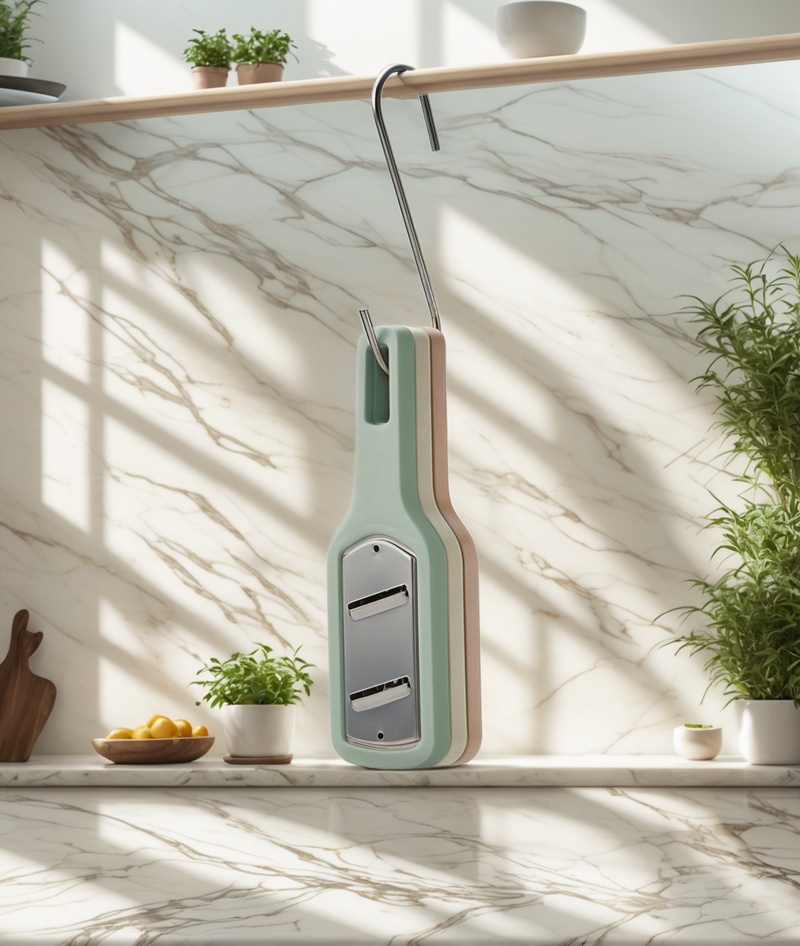
Grater OEM Yangjiang: Practical Sourcing Guide for Buyers
For importers, private-label brands, distributors, and retailers, sourcing a grater OEM in Yangjiang can be a practical way to build a kitchenware line without managing production in-house. Yangjiang is widely known as a major Chinese base for knives, scissors, and kitchenware, so buyers often start their search there when looking for metal kitchen tools, food prep accessories, and related OEM kitchen utensils.
This guide explains how to approach grater sourcing with a clear specification, realistic supplier questions, and a structured evaluation process. It is written for B2B buyers who need more than a low unit quote: they need consistency, communication, packaging support, and a reliable path from sample to repeat order.
Key Takeaways
- Define the grater type, target user, packaging, and quality expectations before requesting a quotation.
- Ask suppliers direct questions about materials, tooling, surface finish, packing, lead time, and inspection procedures.
- Compare OEM and wholesale options based on control, timeline, customization needs, and order flexibility.
- Do not rely only on photos; request samples and verify details before confirming production.
Why Yangjiang Is Relevant for Grater OEM Sourcing
Yangjiang is often described as China’s capital of knives and scissors, and its kitchenware supply chain is one reason buyers search for terms such as Grater OEM Yangjiang or Yangjiang grater manufacturer. The regional advantage is not simply that factories exist there; it is that many suppliers may be familiar with kitchen tool production, metal processing, plastic components, packaging coordination, and export communication.
That does not mean every supplier is suitable for every project. A buyer sourcing a budget box grater for promotional distribution has different needs from a brand developing a multifunctional food grater for retail shelves. The right factory should understand your product position, target market, packaging format, and quality priorities before giving a meaningful quotation.
Define the Grater Product Before You Contact Suppliers
A vague inquiry such as “quote your best grater” usually leads to generic pricing and unclear expectations. Before contacting a factory, prepare a short product brief. This does not need to be a full engineering file at the first stage, but it should reduce guesswork and help the supplier respond accurately.
Consider specifying:
- Product type: flat grater, box grater, rotary grater, zester, multifunctional food grater, or set combination.
- Intended use: cheese, vegetables, citrus peel, ginger, chocolate, or general food preparation.
- Handle and body concept: simple handle, non-slip feature, container attachment, storage cover, or hanging hole.
- Material expectations: ask what stainless steel, plastic, or other materials are available rather than assuming a grade.
- Branding method: logo position, color requirements, label, insert card, printed box, or barcode needs.
- Market requirements: any food-contact, labeling, packaging, or retail compliance expectations for your destination market.
If you already have a reference product, share dimensions and photos, but avoid copying protected designs. A professional OEM discussion should focus on your own brand requirements and lawful product development.
OEM vs Wholesale: Which Route Fits Your Business?
Buyers often use OEM and wholesale interchangeably, but they are not the same sourcing route. OEM usually involves customization, while wholesale generally means purchasing an existing product or catalog item in bulk. Both can be useful depending on your schedule and brand strategy.
| Option | Best For | Buyer Should Check |
|---|---|---|
| OEM grater | Private-label brands needing custom design, packaging, color, or function | Tooling needs, sample process, design ownership, production tolerances, packaging approval |
| ODM or catalog item | Faster launch with light branding or minor adjustments | Available models, logo options, exclusivity questions, existing packaging formats |
| Wholesale grater purchase | Distributors or retailers needing standard goods in bulk | Stock availability, carton details, shipment timing, inspection arrangement |
| Mixed kitchenware order | Importers combining graters with peelers or other food prep tools | Consolidation ability, product consistency, packing lists, item-level labeling |
For related kitchen preparation categories, buyers may also review products such as a multi-functional peeler for effortless kitchen prep when planning a broader utensil assortment.
Questions to Ask a Yangjiang Grater Manufacturer
A clear supplier conversation should cover commercial, technical, and quality topics. Avoid assuming that a factory can meet every request until details are confirmed in writing. Useful questions include:
- Which grater styles do you currently produce, and which are available for OEM customization?
- What material options are available for the blade, frame, handle, and packaging?
- Can you provide samples, and what is the process for approving pre-production samples?
- What logo, color, and packaging customization methods are possible?
- What are the minimum order quantity, quotation validity, payment terms, and production lead time?
- How do you control sharpness, burrs, surface finish, assembly, and carton packing?
- Can you support third-party inspection or buyer-arranged inspection before shipment?
- Which documents can you provide for shipment, labeling, or destination market requirements?
These questions do not imply that every supplier has the same capabilities. They help buyers identify whether the supplier is transparent and whether the project is feasible before deposits, tooling, or large orders are discussed.
Quality Points Buyers Should Not Overlook
A grater looks simple, but small details affect user experience and returns. Cutting edges should perform consistently without excessive burrs. Handles should feel secure. If plastic components are used, buyers should ask about material options and durability expectations. Packaging should protect the product from deformation, moisture, and surface damage during transport.
For retail orders, also review the consumer-facing information on the package. Confirm whether warnings, cleaning instructions, barcode placement, country-of-origin labeling, and language requirements are needed for your channel. Food-contact requirements vary by market, so buyers should ask suppliers what documents are available and consult their own compliance advisers when necessary.
How to Evaluate Samples Before Production
Sample review should be more than a visual check. Test the sample with the foods your customers are likely to use. Check whether it is comfortable for different hand sizes, whether the grating surface clogs easily, and whether cleaning is practical. If the product includes a container, cover, or interchangeable surface, confirm that each part fits correctly.
Record sample feedback in a simple approval sheet. Include photos, dimensions, packaging notes, color references, and any requested changes. Once the final sample is approved, ask how the factory will make sure mass production matches it. This step reduces disputes caused by unclear expectations.
Supply Chain and Communication Tips
Direct-from-factory sourcing can streamline the supply chain, but it also requires disciplined communication. Share forecasts if you expect repeat orders, and ask how the supplier handles raw material planning and peak-season scheduling. If you are combining graters with other Yangjiang kitchenware or Yangjiang products wholesale, confirm whether the supplier can coordinate cartons, labels, and shipping documents for multiple items.
Keep all agreed details in the purchase order or product specification sheet. This should include item description, approved sample reference, packing method, carton marks, inspection standard, delivery terms, and contact persons. For inquiries, the original article listed sales202@bonetcn.com as an email contact; buyers can also use their normal supplier verification process before placing an order.
Practical FAQ
What does grater OEM mean?
Grater OEM usually means a manufacturer produces graters according to a buyer’s brand, packaging, design, or specification requirements. The level of customization depends on the supplier’s capabilities and the buyer’s order plan.
Is Yangjiang only suitable for knives and scissors?
No. Yangjiang is strongly associated with knives and scissors, but buyers also source a wider range of kitchenware there, including food preparation tools such as graters, peelers, and other OEM kitchen utensils.
Should I choose OEM or wholesale for a first order?
If speed and lower development complexity matter most, a wholesale or catalog item may be easier. If brand differentiation, packaging control, or special design details are important, OEM may be more suitable.
What should I confirm before paying for production?
Confirm the approved sample, specifications, packaging, order quantity, price, lead time, payment terms, inspection plan, and shipping responsibilities. Missing details can create quality or delivery disputes later.
Can a supplier guarantee compliance for my market?
Do not assume this. Ask what documents the supplier can provide, then verify requirements for your destination market through your internal compliance team, importer, laboratory, or legal adviser.
