




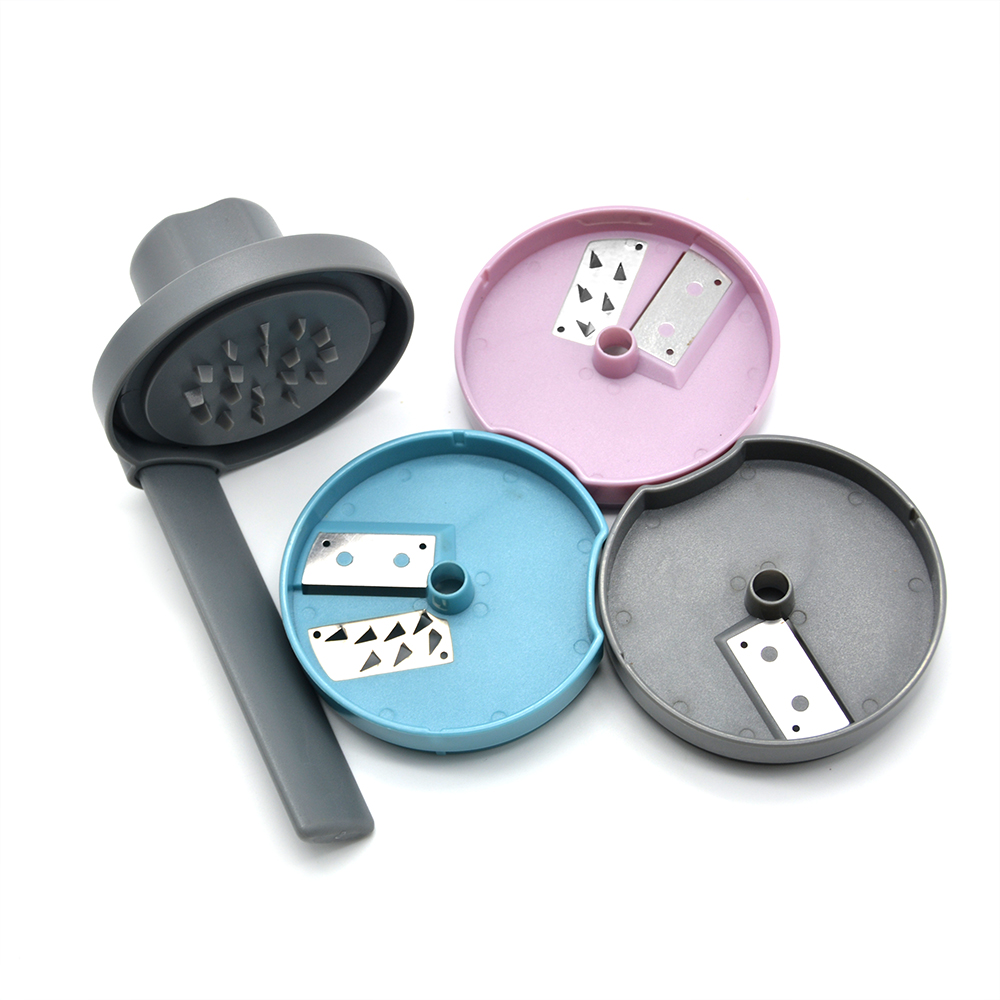
Handheld Spiralizer: A Practical Tool for Everyday Vegetable Prep
A handheld spiralizer is a compact kitchen tool designed to turn firm fruits and vegetables into spirals, ribbons, or thin strands. For home cooks, its main appeal is simple: it helps make vegetables easier to use in quick meals without taking up the space of a countertop machine. The original use case is familiar to many households: zucchini noodles, carrot spirals, apple curls, and vegetable garnishes for salads or bowls.
Unlike bulky equipment, a handheld spiral slicer is usually small enough to store in a drawer and simple enough for beginners. It can support low-carb pasta alternatives, colorful lunch prep, and faster vegetable presentation. The best choice depends on what you cook, how often you use it, and whether you prefer a basic single-function tool or a set with extra blade options.
Key Takeaways
- A handheld spiralizer is best for quick vegetable noodles, salad toppings, and small-batch prep.
- Firm, straight produce such as zucchini, carrots, cucumbers, and apples usually works better than soft or irregular items.
- Look for comfortable grip, stable handling, easy cleaning, and safe blade storage before buying.
- Some models include interchangeable blades or a collection container, but confirm the exact features before purchase.
- For longer prep sessions or large families, a countertop spiralizer may be more efficient.
What a Handheld Spiralizer Does Best
A handheld spiralizer is most useful when you want to prepare vegetables directly before cooking or serving. It can create zucchini noodles for a fast weeknight meal, carrot strands for slaws, cucumber ribbons for cold salads, or apple curls for snacks and dessert toppings. Because the tool is compact, it works well for kitchens where storage space is limited.
It is also useful for people who want more variety in vegetable preparation. Cutting vegetables into spirals changes texture and cooking time. Thin strands cook quickly in a skillet, while raw spirals can make salads feel lighter and easier to mix with dressings. This can help households use up extra produce before it spoils, though results depend on meal planning and storage habits.
How to Choose the Right Handheld Spiralizer
When comparing handheld spiralizers, start with the foods you actually prepare. If you mainly make zucchini noodles, a simple model may be enough. If you want to slice, shred, or create different spiral thicknesses, consider a set with interchangeable blades. Some handheld kitchen gadgets also include a transparent container to catch cut vegetables and reduce mess, but not every product includes this feature.
Pay attention to grip and control. A comfortable handle can reduce hand fatigue during repeated twisting. A non-slip surface or stable hand position is helpful because spiralizing requires pressure against sharp blades. The blade area should be easy to access for cleaning but designed so the cutting edge is not exposed during storage.
Before buying, check the supplier's product description carefully. Do not assume material grade, dishwasher suitability, blade count, or accessory compatibility unless it is clearly stated. If purchasing for a retail range, promotional bundle, or private-label project, ask the supplier for product drawings, packaging options, care instructions, and any test or compliance documentation relevant to your market.
Comparison Checklist for Buyers
| Selection point | What to check | Why it matters |
|---|---|---|
| Produce compatibility | Works with firm vegetables and fruits you use most | Improves everyday usefulness and reduces frustration |
| Blade options | Single blade or interchangeable blades | Determines whether you can make one cut style or several |
| Grip design | Comfortable shape and stable hand position | Helps with control during twisting and pressing |
| Collection method | Open cutting style or container attachment | Affects countertop mess and portion control |
| Cleaning access | Blade area can be rinsed and brushed safely | Vegetable fibers can lodge around the cutter |
| Storage safety | Blade cover, compact size, or protected design | Reduces accidental contact in drawers |
Best Foods to Spiralize at Home
Handheld spiralizers work best with produce that is firm enough to hold its shape. Zucchini is the common choice because it cuts easily and can replace pasta in many light meals. Carrots add color and crunch, while cucumbers make refreshing ribbons for salads. Apples can be used for snack bowls or decorative curls, provided they fit the tool and are firm enough to cut cleanly.
Very soft, overripe, hollow, or unevenly shaped produce can be difficult to spiralize. Large vegetables may need trimming, and narrow items may not make long spirals. For best results, wash and dry the produce first, trim flat ends, and keep a steady twisting motion. If the strands break, try using firmer produce or applying more even pressure rather than forcing the tool.
Simple Meal Ideas Using a Handheld Spiralizer
A spiralizer does not need complicated recipes to be useful. For a quick lunch, toss raw cucumber spirals with vinegar, sesame oil, and herbs. For dinner, lightly sauté zucchini noodles with garlic and olive oil, then add a protein or sauce. Carrot spirals can be folded into slaws, grain bowls, or noodle dishes near the end of cooking to keep some texture.
- Zucchini noodle bowl: Spiralize zucchini, pat dry, and cook briefly so it does not become watery.
- Carrot salad topper: Add carrot strands to cabbage, lettuce, or cold noodles for color and crunch.
- Apple snack curls: Use firm apples and serve with yogurt, oats, or nut butter.
- Cucumber ribbon salad: Combine spirals with salt, herbs, and a light dressing just before serving.
Safe Use and Cleaning Tips
The blade is the most important safety consideration. Always keep fingers away from the cutting edge and avoid rushing when the remaining piece of produce becomes small. If the model includes a food holder, use it. If it does not, stop before your fingers get close to the blade and save the small end pieces for soups, stocks, or chopped salads.
Clean the spiralizer soon after use. Vegetable starch and fibers dry quickly around blades, making them harder to remove. Rinse under running water and use a small brush if needed, taking care not to wipe directly across the blade with your fingers. Only place the tool in a dishwasher if the supplier's care instructions say it is suitable. Dry thoroughly before storage to help keep the tool clean and ready for the next use.
When a Handheld Model Is Not Enough
A handheld spiralizer is convenient, but it is not the right answer for every kitchen. If you prepare large quantities, have limited hand strength, or need consistent cuts for batch cooking, a countertop spiralizer may be more comfortable. Countertop models often provide more leverage and can handle longer prep sessions with less effort.
For small households, occasional low-carb meals, and fast salad prep, the handheld format is practical. For meal-prep businesses, foodservice kitchens, or retailers sourcing a product range, compare handheld and tabletop options side by side. Ask suppliers about packaging, replacement parts, blade protection, instruction sheets, and after-sales support rather than selecting on appearance alone.
FAQ
Can a handheld spiralizer make zucchini noodles?
Yes. Zucchini is one of the most common vegetables for handheld spiralizers because it is firm enough to cut and soft enough to twist without much force.
Does every handheld spiralizer include multiple blades?
No. Some models are basic, while others may offer interchangeable blades for different cuts. Confirm the exact blade options in the product listing or supplier specification.
How do I stop vegetable noodles from becoming watery?
Use fresh, firm produce, avoid overcooking, and pat zucchini noodles dry before heating. Cook them briefly and add sauce near the end.
Is a handheld spiralizer suitable for children to use?
Because the blades are sharp, children should not use it without close adult supervision. Storage should also keep blades protected and out of easy reach.
What should B2B buyers ask a spiralizer supplier?
Ask about confirmed materials, blade configuration, packaging, care instructions, labeling options, applicable compliance documents for the target market, sample availability, lead time, and quality control process.
