




Heavy-Duty Shears for Textiles: Precision & Durability
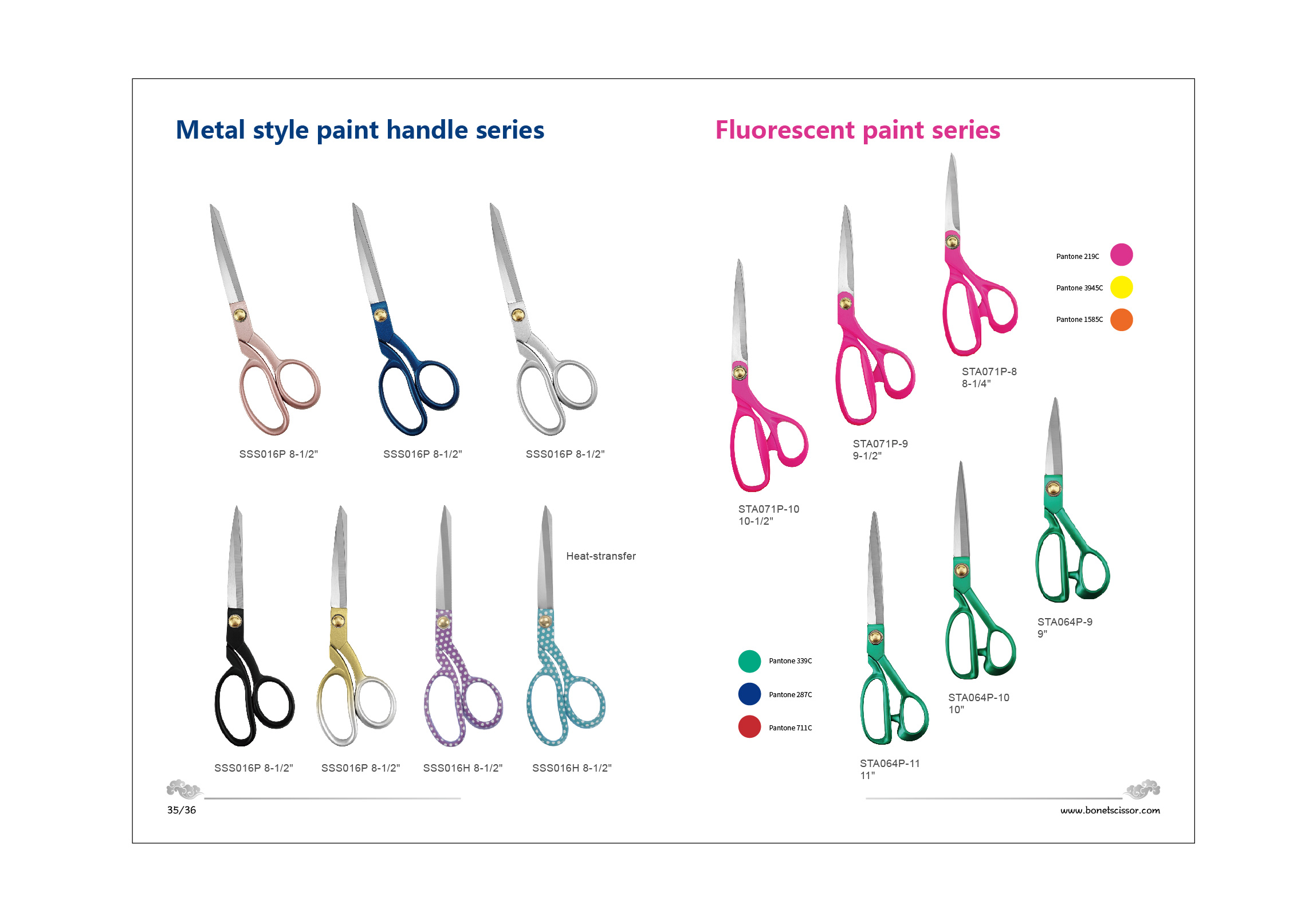
In textile work, cutting quality affects everything that follows: sewing accuracy, edge finish, pattern consistency, labor time, and material waste. For fashion studios, upholstery workshops, sample rooms, uniform makers, repair businesses, and production teams, heavy-duty shears for textiles are not just general scissors. They are daily-use cutting tools expected to handle fabric layers, heavier materials, and repeated cutting tasks with dependable control.
The original article correctly highlighted the importance of precision, durability, ergonomic handling, and wholesale sourcing. This expanded guide turns those points into a practical B2B buying framework. It is designed for buyers comparing tailor scissors, fabric shears, and supplier options without relying on unsupported claims about capacity, pricing, certifications, or specifications.
Key Takeaways
- Heavy-duty textile shears should be selected according to fabric type, cutting frequency, operator comfort, and maintenance expectations.
- For business purchasing, consistency across batches can matter as much as individual sharpness.
- Ask suppliers clear questions about blade material, edge retention, packaging, replacement policy, samples, lead time, and customization options.
- Wholesale textile shears are best evaluated through sample testing before bulk ordering.
Why Heavy-Duty Shears Matter in Textile Work
Textile cutting is a foundation process. A clean cut helps pattern pieces align correctly and reduces fraying, snagging, and rework. In professional environments, operators may cut cotton, denim, canvas, upholstery fabric, layered cloth, or other thick materials. A lightweight general-purpose scissor may twist, drag, or require extra hand force, which can slow production and reduce accuracy.
Heavy-duty shears are built for more demanding cutting tasks. The goal is not simply to cut thicker fabric once, but to perform repeatedly with control. For teams, the right shears can support more consistent work across different operators. For wholesalers and brand owners, the right product selection can also reduce complaints linked to dullness, poor fit, handle discomfort, or inconsistent finishing.
What to Look for in Professional Fabric Shears
When comparing textile cutting tools, buyers should review both visible construction and supplier-provided details. The original article mentioned that premium shears are often made from high-carbon steel, a material commonly associated with edge retention. However, buyers should confirm the exact blade material and treatment with the supplier instead of assuming it from appearance alone.
- Blade performance: Ask how the blades are sharpened, whether they are suitable for thick or layered fabric, and how edge retention is assessed.
- Alignment: The two blades should meet smoothly from pivot to tip without gaps that chew fabric.
- Pivot stability: A stable pivot helps prevent blade wobble during long cuts.
- Handle comfort: Ergonomic handle design can reduce fatigue for operators who cut fabric for hours.
- Weight and balance: Heavier does not always mean better. The tool should feel controlled, not tiring.
- Finish quality: Check for burrs, rough edges, loose fasteners, or uneven coating.
Comparison Checklist for Textile Shear Buyers
Before placing a wholesale or OEM inquiry, create a simple evaluation form. This makes it easier to compare samples from multiple suppliers and avoid choosing only by price.
| Evaluation Point | Why It Matters | Questions to Ask a Supplier |
|---|---|---|
| Blade material | Influences sharpness, durability, maintenance, and perceived quality. | What material is used, and is documentation available? |
| Cutting performance | Determines whether the shears can handle intended fabrics cleanly. | Can samples be tested on denim, canvas, or layered fabric? |
| Handle design | Affects comfort and fatigue during repetitive cutting. | Are different handle sizes, colors, or materials available? |
| Batch consistency | Important for factories, distributors, and retail programs. | How is quality checked before shipment? |
| Packaging | Impacts storage, shipping protection, and resale presentation. | What packaging options are available for wholesale or private label? |
| Commercial terms | Helps buyers plan cost, inventory, and replenishment. | What are the MOQ, lead time, payment terms, and sample policy? |
Sourcing Heavy-Duty Shears for Wholesale or OEM
For manufacturers, design studios, distributors, and houseware importers, sourcing is not only about finding a sharp tool. It is about finding a supplier who can provide repeatable quality, clear communication, and practical commercial support. If you are purchasing wholesale textile shears, ask for samples before committing to a bulk order. Test those samples in real working conditions rather than only checking them visually.
Useful sourcing questions include: What fabrics are the shears intended for? Are they designed for right-hand use, left-hand use, or both? What sizes are available? Can the supplier support private label packaging? What inspection process is used? How are defects handled? Are spare parts or replacement policies available? What is the expected lead time for repeat orders?
If customization is required, avoid vague requests such as “make it professional quality.” Instead, define target length, handle color, packaging style, logo placement, blade finish, and acceptable tolerance where applicable. Confirm all details with a pre-production sample.
Testing Samples Before Bulk Orders
Sample testing is one of the simplest ways to reduce sourcing risk. Give the same sample set to the people who will actually use the shears. A purchasing manager may notice packaging and finish, while a cutter will notice blade drag, hand pressure, balance, and whether the tip cuts cleanly.
- Prepare the same fabric types used in your business, including thicker and layered materials.
- Make long straight cuts, curves, notches, and tip cuts.
- Record comfort after repeated use, not only the first impression.
- Check whether fabric edges are clean or show snagging and compression.
- Inspect the pivot and blade alignment after testing.
- Compare results across several samples from the same supplier to judge consistency.
Use, Care, and Storage in a Professional Workshop
Even durable fabric shears can perform poorly if used incorrectly. A common workshop rule is to reserve textile shears for fabric only. Cutting paper, wire, plastic strapping, or adhesive materials may dull or contaminate the blades. Teams should label cutting tools by use area and train staff to store them properly.
Keep shears clean and dry, especially after cutting fabrics that shed lint or leave residue. Wipe the blades after use and store them in a sleeve, rack, or dedicated drawer where the edge will not knock against other tools. If the pivot becomes stiff or loose, follow the supplier’s care instructions. For high-use environments, create a replacement or sharpening schedule based on actual workload.
FAQ: Heavy-Duty Textile Shears
What makes textile shears different from ordinary scissors?
Textile shears are designed for fabric cutting tasks where blade alignment, sharpness, handle comfort, and long cutting strokes are important. Heavy-duty versions are chosen for thicker fabrics, layered materials, or frequent use.
Are heavy-duty shears suitable for denim and canvas?
They may be, depending on the blade design, material, and construction. Buyers should test samples on the exact denim, canvas, or layered fabric used in production before ordering in bulk.
What should B2B buyers ask before ordering wholesale textile shears?
Ask about blade material, available sizes, sample policy, packaging, MOQ, lead time, quality checks, customization options, and how the supplier handles defective goods or shipment issues.
How can a workshop extend the life of fabric shears?
Use them only on fabric, keep them clean and dry, store them safely, avoid dropping them, and maintain the pivot according to supplier guidance. Replace or sharpen tools when cutting quality declines.
Is the lowest-priced option the best choice for wholesale?
Not necessarily. A lower unit price can become expensive if the shears dull quickly, vary between batches, cause operator fatigue, or increase fabric waste. Compare total value, not price alone.
Final Sourcing Perspective
Heavy-duty shears for textiles are small tools with a large effect on production quality. Whether you manage a sewing room, source for a retail range, or purchase tools for a workshop team, the best approach is practical: define the intended use, test samples, compare suppliers with the same criteria, and confirm commercial details before scaling an order. Precision and durability come from choosing the right tool for the job and the right supplier for repeatable business needs.
