




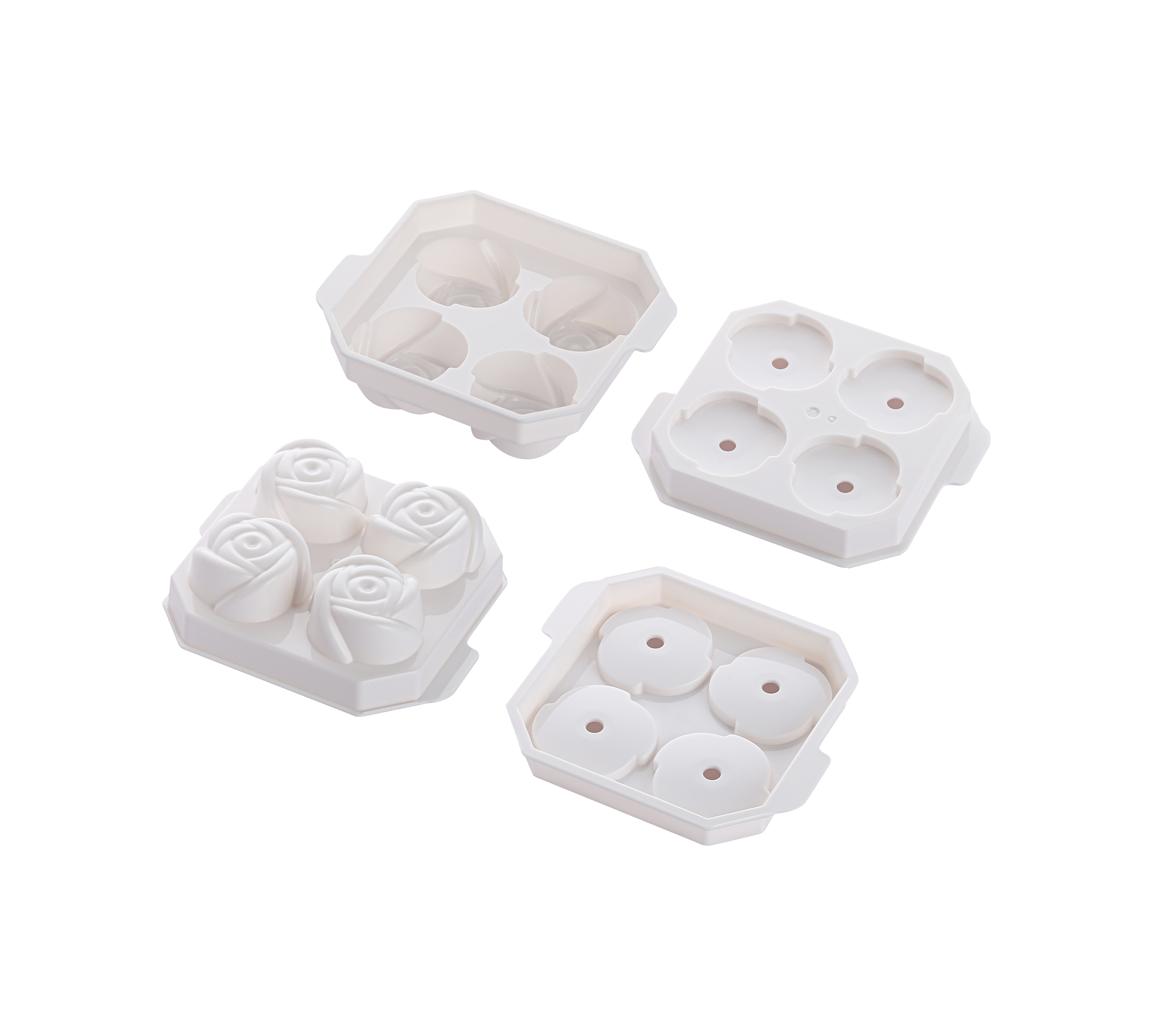
High-Quality Ice Tray Manufacturer for Hexagonal Mold
For retailers, promotional product companies, hospitality buyers, and kitchenware importers, choosing the right ice tray manufacturer is not just about finding a mold shape. A hexagonal ice tray needs to release ice cleanly, hold its intended shape, feel practical for daily use, and arrive with packaging suitable for the target market. The original appeal of silicone ice trays is clear: they are flexible, easy to use, and popular with consumers who want a smoother release than many traditional plastic trays. But for B2B sourcing, the important question is how to verify those advantages before placing a wholesale or OEM order.
This guide explains how to evaluate a hexagonal silicone ice mold supplier, what to ask during quotation, and how to compare samples so that product quality, communication, and commercial terms match your sales channel.
Key Takeaways
- Silicone ice trays are valued for flexibility, easy release, and modern appearance, but buyers should verify material, performance, and packaging with samples.
- A hexagonal mold should be assessed for shape consistency, water capacity, lid fit if included, odor, surface finish, and ease of demolding.
- Do not rely only on product photos; request physical samples, packaging details, and written answers to compliance and customization questions.
- For OEM or wholesale sourcing, clarify mold ownership, logo method, color matching, lead time, carton information, and inspection standards before ordering.
Why Hexagonal Silicone Ice Trays Appeal to Buyers
Hexagonal ice trays offer a distinctive geometric look that fits home bars, restaurants, gift sets, and modern kitchenware collections. Compared with ordinary cube trays, the shape can make a beverage presentation feel more considered without requiring complicated use. Silicone versions have become common because the material can flex, helping users remove the ice without twisting a rigid tray aggressively.
For brands and distributors, the appeal is also practical. A compact ice mold can be sold as a standalone product, included in barware bundles, or used as a promotional kitchen accessory. However, the final customer experience depends on details such as wall thickness, cavity design, tray stability when filled with water, and whether the finished ice keeps a clean hexagonal outline.
Manufacturer, Supplier, or Trading Company: What to Clarify
When searching for an ice tray manufacturer, buyers may encounter factories, export suppliers, and trading companies. Each can be useful, but the sourcing approach should be different. A factory may provide more direct discussion about molds and production. A supplier or trading company may offer broader product selection, packaging coordination, and export support. The key is transparency.
Ask whether the company produces the silicone ice trays in-house or sources them from another factory. If OEM customization is needed, ask who controls the mold, who approves color matching, and who manages final inspection. If the supplier claims experience with silicone kitchen products, ask for examples of similar product categories without requesting confidential customer information.
Product Quality Points to Check on Samples
Sample evaluation is the most important step in sourcing. A hexagonal ice tray can look acceptable in a catalog image but perform differently once filled, frozen, and handled. Test the tray under normal consumer conditions: fill it with water, move it to the freezer, remove the ice, wash it, and repeat the process several times.
Pay attention to whether the tray bends too much when full. If it is too soft, users may spill water while carrying it. If it is too rigid, easy release may be reduced. Check whether each cavity fills evenly and whether the final ice pieces have a recognizable hexagonal form. Also inspect odor before and after washing, surface smoothness, flashing around edges, and any visible defects.
| Checkpoint | What to Review | Questions for the Supplier |
|---|---|---|
| Material | Flexibility, odor, surface feel, food-contact suitability | What material is used, and what documentation can be provided for the target market? |
| Shape performance | Hexagonal definition after freezing and release | Can you provide samples from current production or only prototype samples? |
| Ease of release | How much force is needed to remove ice | Has the cavity design been adjusted for easy demolding? |
| Tray stability | Spill risk when filled and carried | Is there an option for a lid, base support, or adjusted thickness? |
| Packaging | Retail box, sleeve, label, barcode, carton packing | What packaging formats are available, and can artwork be customized? |
| OEM details | Logo, color, mold changes, private label | What customization requires new tooling, and who owns the mold? |
OEM and Wholesale Questions to Ask Before Ordering
If you are sourcing for a private label brand, the quotation should include more than a unit price. Request a full commercial and technical discussion so there are fewer surprises later. Missing details should be treated as open questions, not assumptions.
- What are the available sizes, cavity counts, and colors for the hexagonal ice mold?
- Can the tray be supplied with a lid or customized packaging if required?
- What logo methods are available, such as embossing, printing, label, or package branding?
- What is the sample process, and are samples from mass production materials?
- What is the estimated production lead time after artwork and sample approval?
- What quality inspection standard is used before shipment?
- What carton dimensions, gross weight, and packing quantity will be used?
- What documents can the supplier provide for the destination market if compliance review is needed?
Compliance and Documentation: Avoid Assumptions
Because ice trays contact water that will be consumed, buyers should treat food-contact compliance seriously. Do not assume that every silicone ice tray automatically meets the requirements of your market. Regulations and documentation expectations can vary by country, sales channel, and retailer. Ask the supplier what test reports or declarations are available and whether they apply to the exact material, color, and product being quoted.
If your company sells through major retailers or online marketplaces, confirm their requirements before approving production. A responsible sourcing process should keep records of material information, packaging claims, and supplier statements. Avoid adding unsupported claims to packaging or listings unless the supplier provides documentation that your compliance team accepts.
Packaging and Presentation for Different Sales Channels
A hexagonal silicone ice tray may be sold through e-commerce, supermarket shelves, gift shops, hospitality supply channels, or promotional campaigns. Each channel needs different packaging priorities. E-commerce packaging should protect the product during parcel delivery and clearly show dimensions and use instructions. Retail packaging needs shelf appeal, barcode placement, and clear product photography or illustrations. Promotional orders may prioritize logo visibility and simple bulk packing.
Ask whether the supplier can provide dielines, packaging samples, and carton drop considerations if needed. Also confirm how instructions will be presented. Basic use-and-care guidance is helpful for end users: wash before first use, fill on a stable surface, avoid overfilling, freeze flat, and allow a short rest at room temperature if release is difficult.
How to Compare Quotations Fairly
The lowest quotation is not always the best sourcing result. Compare like for like: same material description, same cavity count, same product weight if provided, same packaging, same customization, and same inspection expectations. A cheaper offer may exclude retail packaging, use a thinner design, or require separate charges for artwork, molds, or samples.
Before confirming an order, create a specification sheet that includes product name, shape, dimensions if approved, color, packaging, labeling, sample reference, acceptable defects, and shipping marks. This document helps both buyer and supplier align on what will be produced. It also supports third-party inspection if you choose to arrange one before shipment.
Practical FAQ
Is silicone better than plastic for a hexagonal ice tray?
Silicone is popular because it is flexible and can make ice release easier. Plastic may be more rigid, which some users prefer for carrying when full. The better choice depends on your target customer, price point, and sample test results.
Can a supplier make a private label hexagonal ice mold?
Many suppliers may offer private label options, but buyers should ask which parts can be customized: tray color, logo, packaging, instructions, barcode, and carton marks. Mold changes may require additional tooling.
What should I test before approving a bulk order?
Test filling, carrying, freezing, ice release, washing, odor, shape consistency, packaging strength, and barcode or label accuracy. Keep an approved sample as the reference for production.
What commercial details should be confirmed in writing?
Confirm product specification, packaging, lead time, payment terms, inspection method, shipping terms, documentation, and the process for handling defects or changes.
Should I request compliance documents?
Yes. Because the product is used to make ice for drinks, ask what food-contact documents are available for the exact product and destination market. Have them reviewed according to your company or retailer requirements.
