




High-Quality Office Scissors Factory: B2B Sourcing Guide
Office scissors are simple tools, but sourcing them well is not as simple as choosing the lowest unit price. For stationery distributors, office supply brands, promotional product buyers, and corporate procurement teams, scissors need to cut cleanly, feel safe in the hand, survive repeated use, and arrive in packaging that matches the intended sales channel. A reliable office scissors factory can support these goals, but buyers still need to evaluate materials, workmanship, customization choices, and quality control before placing an OEM or wholesale order.
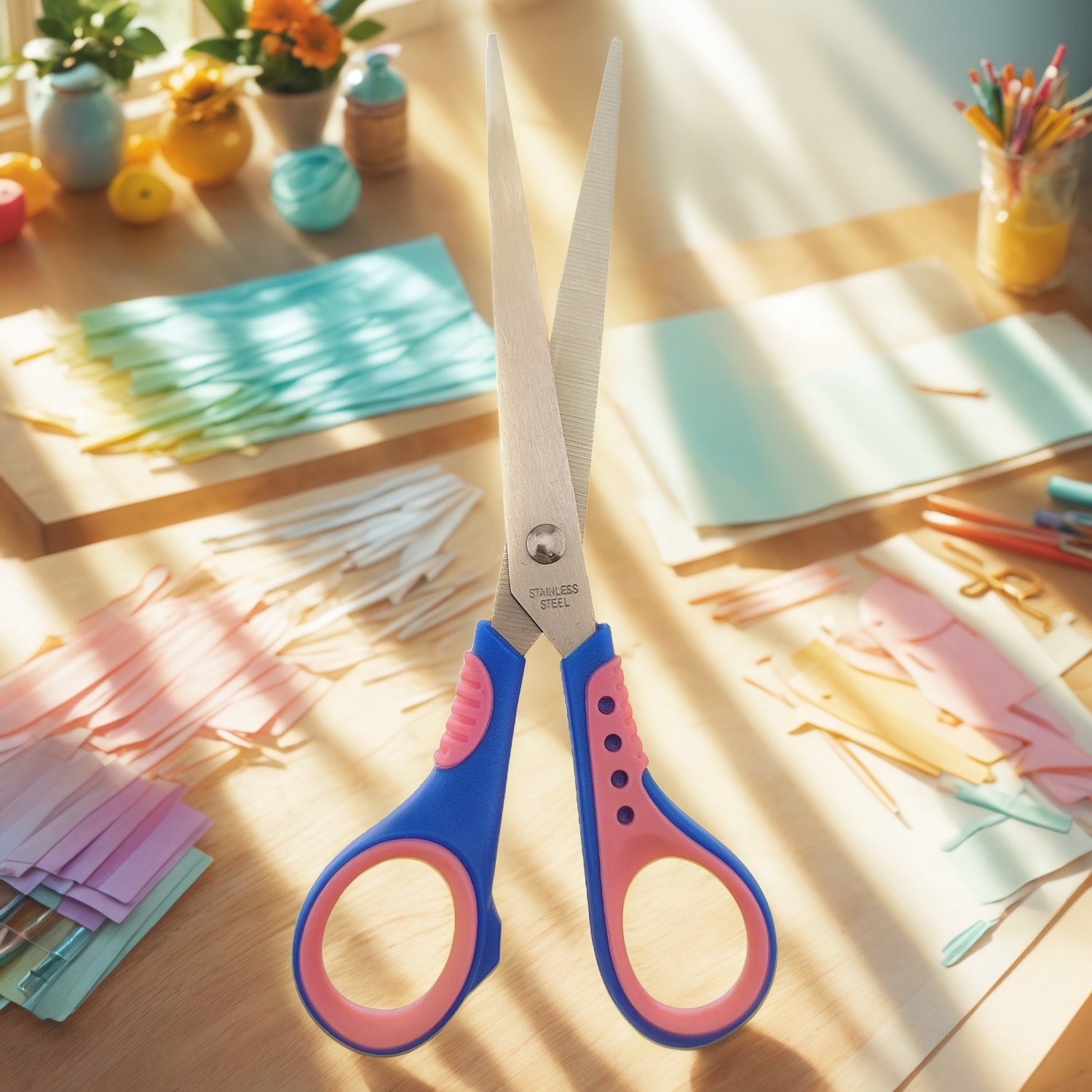
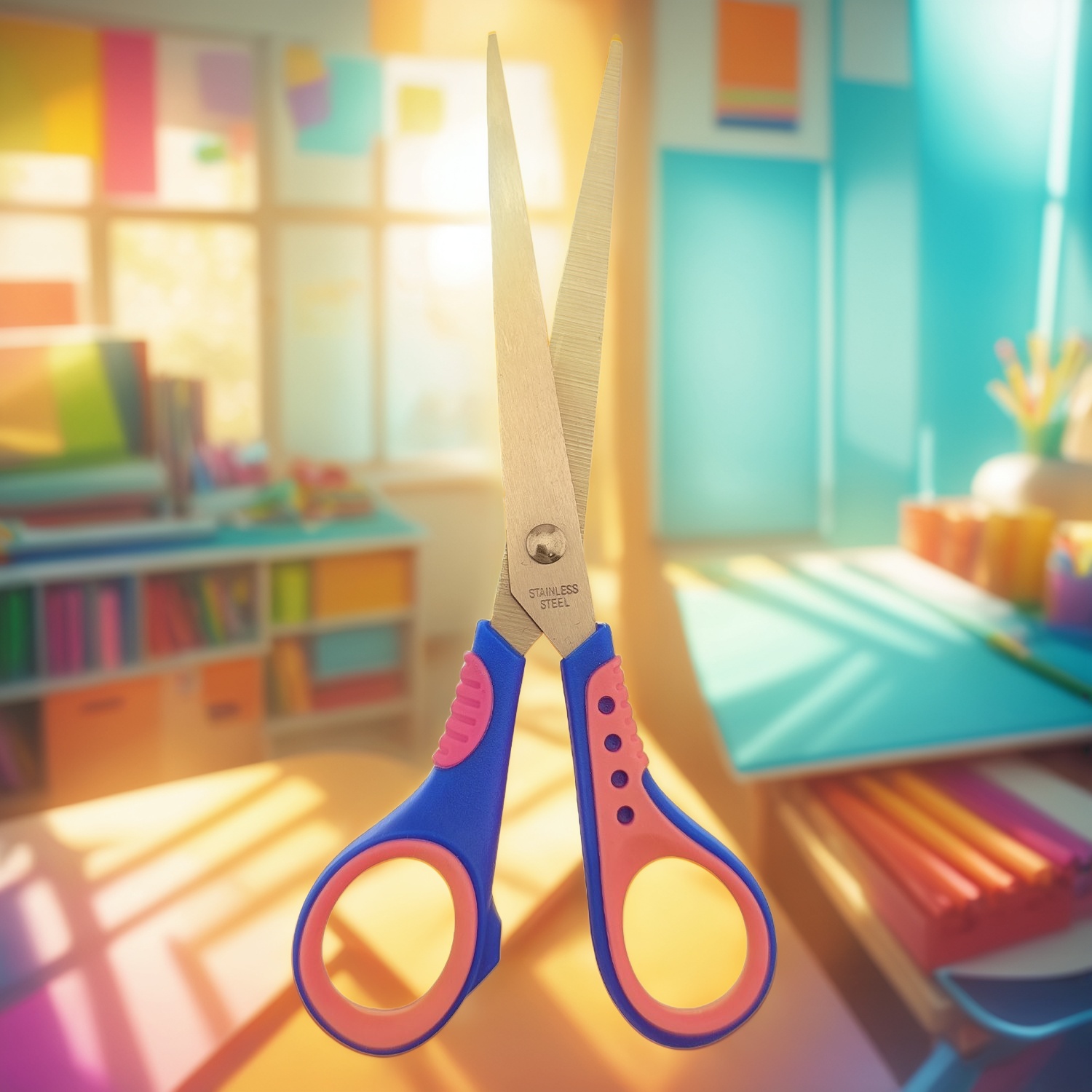
The original product information highlights several useful features for office use: stainless steel blades, ergonomic handles, soft-touch rubber, non-slip grips, corrosion-resistant blades, and customization options such as colors, sizes, and branded engraving. This guide explains how to assess those features in a practical B2B sourcing process without relying on vague marketing claims.
Key Takeaways
- Start with the use case: everyday document cutting, classroom use, craft work, or promotional gifting may require different sizes and handle designs.
- Ask the factory to confirm blade material, handle material, edge finish, packaging, and any available test methods in writing.
- Customization can include color, size, handle design, logo placement, and packaging, but each option may affect cost, lead time, and minimum order requirements.
- Samples should be tested for cutting smoothness, grip comfort, blade alignment, opening resistance, and visible defects before bulk production.
Understanding Office Scissors for Professional Use
Scissors for office use are generally expected to handle paper, envelopes, light card, labels, and presentation materials. In some workplaces, they may also be used for light craft tasks, packaging tape, or desk organization jobs. Because the tool is shared and used frequently, comfort and control matter as much as sharpness.
The source article describes office scissors made with stainless steel blades, ergonomic handles, soft-touch rubber, and non-slip grips. When discussing these features with a supplier, avoid assuming every model has the same construction. Ask whether the blade is stainless steel, what handle materials are used, whether the grip has a rubberized insert or coating, and whether left-handed or ambidextrous versions are available. Even small differences in handle shape can affect user comfort during repeated cutting.
Blade, Handle, and Comfort Factors to Compare
For B2B buyers, a good specification sheet should translate product claims into verifiable details. If a factory says its scissors are corrosion resistant, ask how that resistance is achieved and whether any internal test data is available. If a model is described as ergonomic, request sample units and have several users test the grip instead of relying on photos.
| Selection Point | What to Check | Questions to Ask the Factory |
|---|---|---|
| Blade material | Stainless steel or other stated metal, edge finish, alignment | What blade material is used, and can it be documented on the quotation or specification sheet? |
| Cutting performance | Smooth cutting through paper and light office materials | Can samples be tested on paper, card, envelopes, and labels before order confirmation? |
| Handle comfort | Ergonomic shape, soft-touch rubber, non-slip grip if specified | What handle materials are used, and are multiple sizes or grip designs available? |
| Safety and finish | No sharp burrs on handles, stable pivot, controlled opening and closing | What in-process inspections are used for blade edges, pivots, and finished pieces? |
| Customization | Color, size, engraving, printing, retail packaging | What customization methods are offered, and how do they affect MOQ, cost, and lead time? |
Office Scissors Customization Options
Office scissors customization can be useful for retailers, stationery brands, corporate gifts, and office supply programs. Common requests include custom handle colors, different lengths, branded engraving, printed logos, and private-label packaging. The original article mentions personalized colors, sizes, branded engravings, and custom handles for better grip in high-volume settings.
Before approving a custom order, define the purpose of the customization. A promotional item may prioritize logo visibility and packaging presentation. A professional office product may prioritize durability and hand comfort. A school or craft channel may need color-coded models or smaller sizes. Make sure the supplier explains which changes are standard options and which require new tooling or special production arrangements.
- Confirm the target user and cutting tasks.
- Choose blade length and handle size based on that use case.
- Request artwork templates for logos or packaging.
- Approve physical or production samples before mass production.
- Document accepted colors, logo placement, and packaging layout in the purchase order.
How to Evaluate an Office Scissors Factory
A factory conversation should cover more than price. Buyers should ask how the supplier manages raw materials, blade sharpening, handle assembly, pivot consistency, packaging inspection, and shipment preparation. If the supplier offers OEM or private-label service, ask who owns the artwork files, how color matching is handled, and what approval steps are required before production starts.
Do not assume commercial details such as production capacity, certifications, testing results, minimum order quantity, or delivery time unless the factory provides them. Instead, use direct questions: What is the MOQ for existing models? What is the MOQ for custom colors? Can the supplier provide pre-production samples? What packaging formats are available? Are third-party inspections accepted before shipment? These questions help reduce misunderstandings and create a clearer basis for comparison between suppliers.
Sample Testing Before Wholesale Orders
Samples are essential because scissors are tactile products. A product photo cannot show whether the pivot is too tight, whether the blades scrape, or whether the grip becomes uncomfortable after repeated cutting. Test several pieces from the same sample batch when possible, not just one hand-selected unit.
A practical office scissors sample test can include cutting standard copy paper, heavier presentation paper, thin card, and adhesive labels. Check whether the blades cut to the tip, whether the cut line stays clean, and whether the scissors feel stable at the pivot. Inspect the handles for molding marks, uneven coating, loose rubber inserts, or uncomfortable edges. If the product is intended for branded retail, also inspect barcode placement, packaging print clarity, and carton labeling.
Packaging, Branding, and Channel Fit
Packaging should match how the scissors will be sold or distributed. Bulk office supply orders may use simple protective packing. Retail stationery products may need hang cards, blister packs, printed boxes, or private-label presentation. Promotional orders may need logo placement on both the product and the package.
Ask the supplier which packaging formats are already available and which require new artwork or tooling. Confirm carton quantities, inner packing method, labeling requirements, and whether packaging samples can be reviewed before production. If products will be sold in regulated markets, ask the supplier what documentation is available and consult your compliance specialist rather than relying on general claims.
Practical FAQ
What makes office scissors different from craft or kitchen scissors?
Office scissors are usually designed for paper, documents, envelopes, labels, and light administrative tasks. Craft scissors may focus on specialized cutting patterns or heavier materials, while kitchen scissors are designed for food-related use and require different hygiene considerations.
Can an office scissors factory provide custom colors and logos?
Many suppliers offer customization such as handle colors, logo printing, engraving, or branded packaging. Buyers should ask which options are available for existing models, whether custom tooling is required, and how changes affect MOQ, cost, and production time.
How should buyers judge blade quality?
Start with samples. Check blade alignment, cutting smoothness, tip performance, pivot stability, and visible finish. Also ask the factory to state the blade material and any inspection method used during production.
What information should be included in a quotation request?
Include target quantity, intended market, blade size, handle color, logo requirements, packaging type, sample needs, inspection expectations, and shipping terms. Clear requests produce more comparable quotations.
Is the lowest price the best choice for wholesale office scissors?
Not always. A very low price may involve compromises in blade finish, handle comfort, packaging, or inspection. Compare total value, including sample performance, defect prevention, communication quality, and after-sales support questions.
Final Sourcing Advice
Choosing an office scissors factory is a balance of product performance, customization capability, communication, and quality control. Use the explicit product features available from the supplier as a starting point, then verify them through samples, written specifications, and practical testing. For OEM and wholesale buyers, the best result comes from asking precise questions early, documenting every approved detail, and checking the product against real office use before scaling to a full order.
