




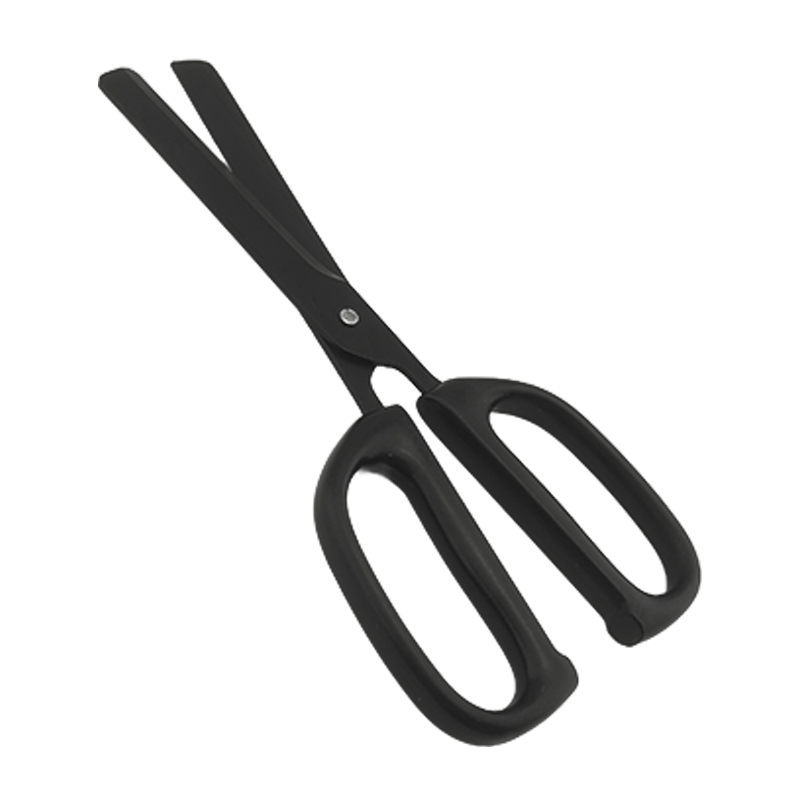
High-Quality Office Scissors: Precision and Style
Office scissors are easy to overlook until they pull paper, leave ragged edges, or become uncomfortable after repeated use. For document trimming, package opening, label cutting, craft work, and general desk tasks, the right pair can save time and reduce frustration. This guide explains what to look for in high-quality office scissors, how to compare common options, and how to care for them so they remain useful beyond the first few weeks.
Key Takeaways
- Choose scissors based on the main task: paper, packaging, crafts, or mixed office use.
- Blade quality, handle comfort, pivot smoothness, and overall balance matter more than appearance alone.
- Stainless steel office scissors are often preferred because they resist rust and can hold a usable edge for routine work.
- For frequent use, test handle fit and cutting control before buying multiple pairs.
- Keep scissors clean, dry, and reserved for suitable materials to extend their service life.
What Makes Office Scissors High Quality?
A good pair of office scissors should cut cleanly from the base of the blade to the tip without forcing the hand to compensate. The blades should meet evenly, the pivot should open and close smoothly, and the handles should allow a firm grip without sharp pressure points. High-quality does not always mean heavy or decorative. It means the tool performs consistently for the materials it is expected to cut.
For most offices, the main jobs are cutting paper, envelopes, tape, lightweight card, shipping labels, and occasional packaging. In creative teams, schools, or home offices, scissors may also be used for light fabric crafting, presentation boards, and art materials. A versatile pair should handle these tasks without bending, snagging, or requiring excessive hand strength.
Blade Material and Cutting Performance
Blade material is one of the first details to check. Many professionals prefer stainless steel office scissors because stainless steel resists rust and is practical for everyday environments where tools may be handled often and stored in drawers. A sharp, well-aligned blade helps produce straight cuts in documents and controlled cuts in detailed work.
The original product description highlights a copper blade paired with purple handles. If you are considering a design like this, focus on both performance and appearance. A copper blade can create a distinctive look and is described as durable and corrosion resistant in the source material, but buyers should still evaluate the actual edge quality, blade alignment, and intended use. Appearance should support the workspace experience, not replace functional inspection.
Handle Comfort and Ergonomic Fit
Handle design affects how scissors feel during repeated tasks. Ergonomic handles are shaped to support the fingers and improve control. Soft yet sturdy handle materials can help reduce discomfort during longer cutting sessions, especially when trimming stacks of documents or preparing presentation materials.
Before choosing a pair, consider who will use it. Some handles fit smaller hands better, while others are more comfortable for larger hands. If scissors will be shared in a reception area, print room, classroom, or office supply cabinet, a neutral handle size may be best. If one person will use the tool daily, individual comfort becomes more important than universal fit.
Comparison Checklist for Choosing Office Scissors
| Feature to Check | Why It Matters | Practical Buying Tip |
|---|---|---|
| Blade sharpness | Sharp blades cut paper cleanly and reduce tearing. | Test on standard paper and lightweight card if possible. |
| Blade alignment | Misaligned blades can fold or chew material instead of cutting. | Open and close the scissors slowly and check that the blades meet evenly. |
| Handle comfort | Poor handle fit can cause hand fatigue during repeated use. | Look for smooth edges and enough finger space for the intended users. |
| Pivot smoothness | A stiff or loose pivot reduces control. | Choose scissors that move smoothly without wobbling. |
| Material suitability | Different tasks place different stress on blades. | Do not use office scissors for wire, thick plastic, or materials beyond their purpose. |
| Visual design | Color and finish can help tools stand out on a desk. | Choose style after confirming cutting performance and comfort. |
Matching Scissors to Common Office Tasks
Not every office needs the same scissors. A front desk may need a general-purpose pair for envelopes, tags, and occasional packaging. A design studio may need better tip control for trimming mockups. A warehouse office may need stronger scissors for labels and light packing materials, while still keeping separate cutters for heavy cartons.
- For document work: choose a pair that cuts straight and does not leave fuzzy edges.
- For packaging support: look for comfortable handles and blades that can handle tape and labels, but avoid using them on heavy-duty materials.
- For craft and presentation tasks: prioritize precision at the blade tip and smooth control.
- For shared office use: choose durable, easy-to-identify scissors and store them in a consistent location.
Style, Color, and Workspace Organization
Style is not the only reason to buy office scissors, but it can be useful. A pair with a distinctive copper blade and purple handles, as described in the original article, is easier to spot in a drawer or shared workspace. This can reduce tool loss and make it clear which scissors belong to a specific desk, department, or project station.
Color coding can also support organization. For example, one pair can be reserved for paper, another for tape, and another for craft materials. This helps protect blade sharpness and prevents adhesive buildup from affecting everyday document cutting.
Care and Maintenance for Longer Use
Even high-quality office scissors need basic care. After cutting tape or sticky labels, wipe the blades with a soft cloth. If adhesive remains, use a suitable cleaner carefully and dry the blades afterward. Avoid leaving scissors in damp areas, and do not store them loosely with heavy metal tools that can damage the edge.
Use scissors only within their intended range. Cutting cardboard, plastic straps, wire, or thick packaging can dull or misalign blades designed for office tasks. If your workplace regularly handles tough materials, keep a separate utility cutter or industrial shears available so office scissors remain sharp for paper and desk work.
Questions to Ask Before Buying in Quantity
If you are purchasing scissors for an office, school, studio, or company supply room, evaluate more than the unit appearance. Ask the supplier practical questions before placing a larger order. What materials are the blades and handles made from? Are the scissors intended for right-handed, left-handed, or universal use? Is there a recommended use range? Can samples be checked before bulk purchase? How are the scissors packaged for storage and distribution?
These questions help avoid mismatch between product design and workplace needs. They are especially important when selecting scissors for teams with different tasks, because the best option for a creative department may not be the best choice for a mailroom or administrative desk.
FAQ
What are the best scissors for everyday office use?
The best choice is a comfortable, well-aligned pair that cuts paper, envelopes, labels, and light card cleanly. For routine office work, stainless steel office scissors are a practical option because they resist rust and are easy to maintain.
Can office scissors be used for fabric?
They can be used for light fabric crafting in some cases, but they should not replace dedicated fabric scissors for serious textile work. Paper and adhesive can dull blades, so keep a separate pair for fabric if clean fabric cuts matter.
How do I keep office scissors sharp?
Use them only on suitable materials, wipe off adhesive after cutting tape, keep them dry, and avoid dropping them. If the blades become damaged or misaligned, replacement may be more practical than repair for general office scissors.
Are decorative scissors suitable for professional use?
They can be, provided the blade quality, handle comfort, and pivot action are reliable. A distinctive finish or colored handle can be helpful for organization, but cutting performance should come first.
What should I check when buying scissors for a team?
Check hand comfort, blade alignment, intended materials, packaging, and whether samples are available. For shared workspaces, choose scissors that are easy to identify and appropriate for the most common tasks.
