




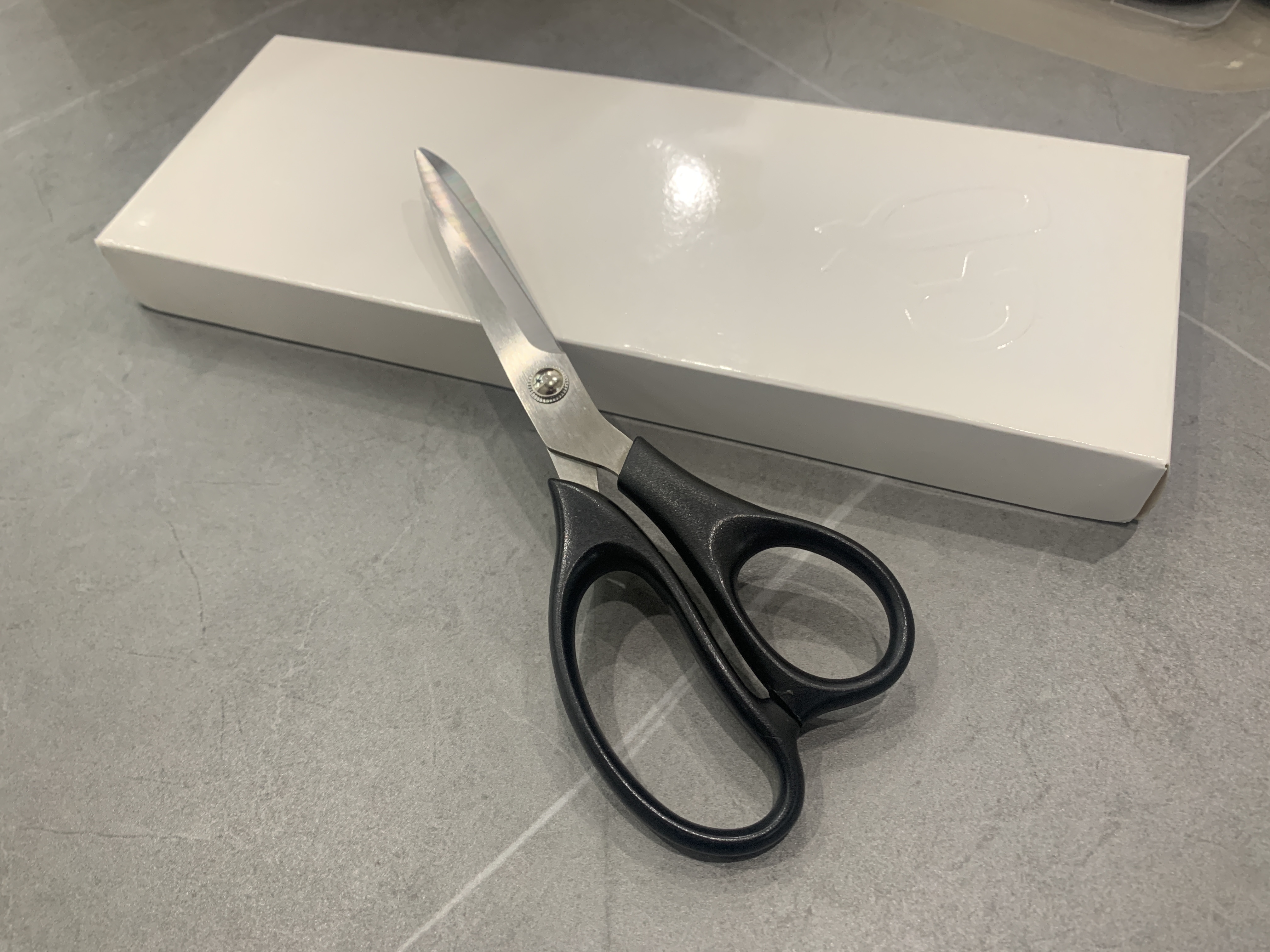
High Quality Tailor Scissors: Factory Insights for Better Sourcing

For garment makers, textile studios, craft brands, and wholesale tool buyers, tailor scissors are not a casual accessory. They influence cutting accuracy, fabric waste, operator comfort, and the perceived quality of a sewing kit or retail product line. When sourcing from a high quality tailor scissors factory, the goal is not simply to find a low unit price. Buyers need to understand blade performance, handle comfort, consistency between batches, and the supplier’s ability to support commercial purchasing requirements.
This guide explains how to evaluate tailor scissors from a factory or wholesale supplier, using practical checks that can be applied during sample review, quotation comparison, and pre-shipment inspection.
What Defines High Quality Tailor Scissors?
The most important function of tailor scissors is clean, controlled cutting through fabric. The original product description highlights polished stainless steel blades, a matte black handle, and a smooth pivot assembly. Those are useful starting points, but buyers should still verify how the scissors perform on the fabrics their customers actually use.
High quality tailor scissors should open and close smoothly, cut close to the tip, and maintain a stable cutting line without chewing or pushing fabric. A clean cut helps reduce fraying and improves pattern accuracy. For professional garment work, even a small deviation can affect seam alignment, especially when cutting stacked fabric or detailed curves.
Blade Precision: What Buyers Should Test
Sharpness is often mentioned in product descriptions, but it should be tested rather than assumed. During sample evaluation, ask the factory for the intended application range and test the scissors on common materials such as cotton, lining fabric, denim, felt, or other target textiles. If your brand serves quilters, tailors, upholstery users, or general household customers, the testing mix may be different.
- Check whether the scissors cut cleanly from heel to tip.
- Look for fabric snagging, folding, or pushing ahead of the blade.
- Open and close the scissors repeatedly to feel for uneven tension.
- Inspect the blade edge under good lighting for burrs or visible defects.
- Confirm whether edge retention expectations are defined by the supplier.
A factory may use different steel types, grinding methods, or finishing processes across product lines. Do not assume the same performance across all models. Ask which specifications apply to the exact item being quoted.
Handle Comfort and Control for Extended Use
Tailoring and fabric cutting can require long working sessions, so handle design matters. The original article notes an ergonomically designed matte black handle. For sourcing purposes, buyers should evaluate not only the look of the handle but also grip size, finger clearance, balance, and comfort during repetitive cutting.
For retail or OEM orders, consider the end user. A professional tailor may prefer weight and stability, while a household sewing customer may prefer lighter handling. Left-handed versions, soft-touch coatings, or alternative handle colors may be relevant questions, but these should be confirmed directly with the supplier rather than assumed.
Factory Sourcing Checklist for Tailor Scissors
When comparing a tailor scissors factory or wholesale supplier, organize your evaluation around measurable points. A clear checklist helps purchasing teams avoid decisions based only on photos or promotional language.
| Evaluation Area | What to Check | Questions to Ask the Supplier |
|---|---|---|
| Blade performance | Clean cut, tip performance, smooth opening | What fabric types is this model designed to cut? |
| Material details | Blade material, handle material, finish | Can you confirm the exact material specification for this item? |
| Pivot and tension | Stable movement without looseness or grinding | Is tension adjustable, and how is it checked before shipment? |
| Consistency | Same feel and finish across multiple samples | What in-process and final inspection steps are used? |
| Packaging | Retail pack, protective sleeve, labeling options | What packaging formats are available for wholesale or OEM orders? |
| Commercial terms | MOQ, lead time, sample cost, payment terms | What are the current terms for the exact model and quantity? |
OEM and Wholesale Considerations
If you are sourcing tailor scissors for a private label, distributor catalog, sewing kit, or e-commerce line, the commercial details are as important as the product itself. Ask the supplier whether logo placement, custom colors, retail packaging, barcodes, or instruction inserts are available. Also ask which costs and lead times apply to each customization.
Avoid vague requests such as “best quality scissors.” Instead, provide a target use case, price range, packaging requirement, order quantity estimate, and destination market. This helps the factory recommend a realistic model and prevents misunderstandings during quotation.
Quality Control Before Shipment
For larger orders, sample approval should not be the final quality step. Buyers should define acceptable appearance, function, and packaging standards before mass production. A pre-shipment inspection can include visual checks, cutting tests, carton labeling review, and quantity verification.
Useful inspection points include blade alignment, handle finish, pivot tightness, rust or stain marks, edge damage, and packaging protection. If your market requires specific labeling, safety warnings, or compliance documentation, ask the supplier what they can provide and verify requirements with your own compliance team.
Key Takeaways
- Test tailor scissors on the real fabrics your customers or workers use.
- Confirm exact material, handle, pivot, packaging, and customization details with the supplier.
- Compare factories using samples, QC process questions, and commercial terms, not photos alone.
- Define inspection standards before production to reduce disputes after shipment.
FAQ: Buying Tailor Scissors from a Factory
What should I ask before ordering samples?
Ask for the exact model details, blade and handle materials, available sizes, packaging options, sample cost, sample lead time, and whether the sample represents normal mass production quality.
How can I judge sharpness without lab testing?
Use practical fabric-cutting tests. Cut from heel to tip on several fabric types, check whether the scissors snag or push material, and compare multiple samples for consistency.
Are stainless steel tailor scissors always the best choice?
Stainless steel can be a useful material for scissors, and the original product description mentions polished stainless steel blades. However, performance also depends on blade geometry, edge finishing, pivot quality, and intended use. Confirm the exact specification with the supplier.
Can a factory provide OEM packaging or branding?
Many suppliers may offer OEM options, but buyers should not assume availability. Ask about logo methods, packaging formats, artwork requirements, minimum order quantities, added costs, and approval samples.
What is the safest way to compare quotations?
Compare quotes for the same product size, material specification, packaging, inspection standard, and order quantity. A lower price may reflect different materials, simpler packaging, or fewer service requirements.
