




High Quality Tailor Scissors: Precision Meets Elegance
Tailor scissors are a core cutting tool for dressmaking, alterations, upholstery samples, pattern work, and DIY textile projects. A good pair should cut cleanly, feel controlled in the hand, and stay reliable through repeated use. The original product information for these high quality tailor scissors highlights stainless steel blades, a sharp cutting edge, a durable black plastic handle, and a lightweight, balanced construction. Those details make them relevant for users who need dependable fabric cutting without unnecessary complexity.
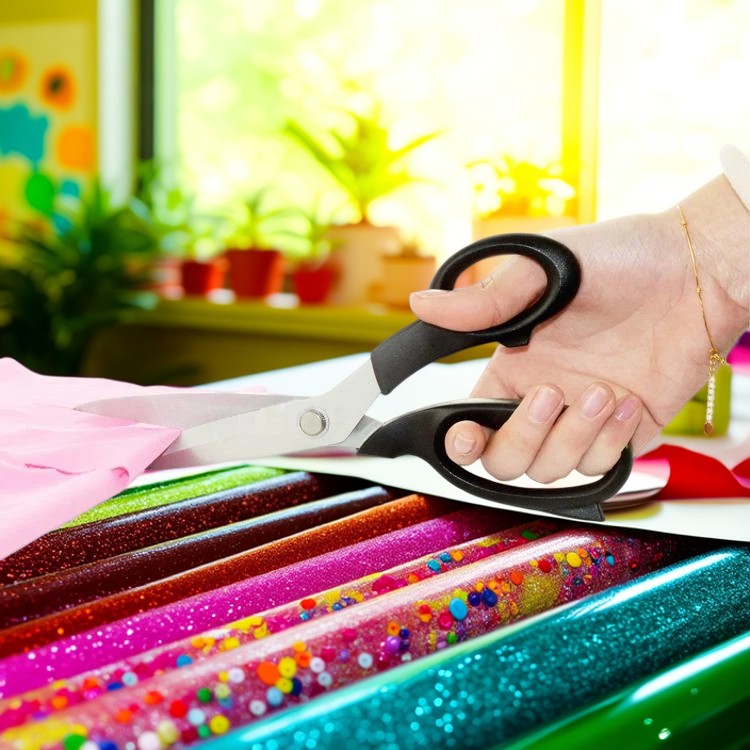
Choosing the best tailor scissors is not only about sharpness. Fabric type, blade control, handle comfort, maintenance habits, and cutting technique all influence the final result. This guide explains what to look for, how to compare options, and how to care for sharp tailor scissors so they remain useful in a sewing room, workshop, sample room, or craft space.
Key Takeaways
- Use tailor scissors only for fabric to help protect the cutting edge.
- Stainless steel blades are valued for durability and clean everyday cutting performance.
- A comfortable handle matters when cutting long pattern pieces or multiple fabric panels.
- Lightweight, balanced scissors can improve control, especially around curves and notches.
- Buyers should confirm blade size, packaging, customization, and quality checks directly with the supplier when sourcing in bulk.
What Makes Tailor Scissors Different?
Tailor scissors are designed for controlled fabric cutting rather than general household use. Their longer blades allow users to make smooth cuts through fabric laid on a table, while the handle angle helps keep the material flatter during cutting. This is useful when working with woven fabric, denim, lining, felt, or other textiles that can shift if handled roughly.
Compared with small craft scissors, tailor scissors give better reach and fewer interruptions along a cutting line. Compared with rotary cutters, they require no cutting mat and are easier to use for quick trimming, notches, and shaped edges. For many sewing tasks, fabric cutting scissors remain the most practical tool because they combine accuracy with direct hand control.
Blade Quality and Cutting Performance
The original article states that these scissors use stainless steel blades with a razor-sharp edge. Stainless steel is commonly selected for scissors because it is durable and suitable for regular handling. A sharp edge is important because dull scissors can pinch, drag, or fray fabric instead of slicing through it cleanly.
When evaluating high quality tailor scissors, check whether the blades meet evenly from pivot to tip. They should open and close smoothly without grinding or wobbling. The tip should be precise enough for trimming threads, clipping corners, or cutting into small curves, while the main blade length should support longer straight cuts.
Comfort, Grip, and Control
Comfort becomes important during repeated cutting. The source description notes an ergonomically designed handle made from durable black plastic, with a secure grip and a lightweight, balanced construction. These are practical features because fabric cutting often involves long sessions, especially for dressmakers, sample makers, and craft users preparing multiple pieces.
A good handle should let the hand stay relaxed. If the finger loops are too tight, the user may apply unnecessary pressure. If the handle is too loose, the scissors may twist during cutting. Balance also matters: scissors that feel too blade-heavy or handle-heavy can be harder to guide accurately along pattern lines.
Comparison Checklist for Choosing Scissors
| Selection Point | What to Check | Why It Matters |
|---|---|---|
| Blade material | Confirm stainless steel or other stated material | Affects durability, maintenance, and cutting feel |
| Sharpness | Test on fabric scraps when possible | Clean cuts reduce fraying and fabric movement |
| Handle design | Check grip size, shape, and comfort | Reduces fatigue during repeated cutting |
| Balance | Open, close, and guide the scissors by hand | Supports accuracy on straight and curved cuts |
| Use case | Match the scissors to sewing, tailoring, or crafts | Prevents choosing a tool that is too light or too heavy |
| Supplier details | Ask about packaging, inspection, and customization | Important for wholesale, OEM, or retail sourcing |
Best Uses for Sharp Tailor Scissors
Sharp tailor scissors are most useful for cutting fabric accurately before sewing or assembly. They can be used for garment panels, craft textiles, home sewing projects, costume work, and sample preparation. They are also suitable for users who need a single dependable pair of scissors for both straight cutting and detailed trimming.
- Lay fabric flat before cutting and smooth out wrinkles.
- Use pattern weights or pins to prevent shifting.
- Keep the lower blade close to the table for cleaner long cuts.
- Cut slowly around curves instead of forcing the blades.
- Reserve the scissors for textiles rather than paper, wire, or plastic.
For dense fabrics such as denim, cut one or two layers at a time unless the scissors are confirmed to handle thicker stacks. For delicate fabrics such as silk or lining, test on a scrap first to check whether the edge cuts without snagging.
Use and Care Tips for Longer Service
Even the best tailor scissors need proper care. Store them closed in a dry place, away from heavy tools that could damage the blades. Wipe the blades after cutting fabric that leaves lint, fibers, or residue. If the pivot becomes stiff, ask the supplier or a sharpening professional whether adjustment or maintenance is recommended for that model.
Avoid dropping scissors on hard floors because the tips or blade alignment may be damaged. Do not use fabric scissors for paper patterns unless you are willing to sharpen or replace them sooner; paper can wear the cutting edge faster than cloth. If cuts begin to feel rough, uneven, or noisy, the blades may need professional sharpening.
Sourcing Notes for Wholesale or OEM Buyers
For retailers, sewing-kit brands, craft distributors, or promotional buyers, sourcing decisions should go beyond appearance. Since the available product description does not state specifications such as blade length, packaging format, MOQ, certifications, or testing results, those points should be confirmed before purchase. Ask the supplier direct questions rather than assuming details that are not listed.
- What blade size, total length, and unit weight are available?
- Can the handle color, logo, packaging, or barcode be customized?
- What inspection process is used for blade sharpness and alignment?
- Are samples available for fabric-cutting evaluation?
- What carton details, lead time, MOQ, and after-sales terms apply?
These questions help B2B buyers compare tailor scissors on quality, usability, and supply reliability. They also reduce the risk of ordering a product that looks suitable online but does not match the needs of the target market.
FAQ
Are tailor scissors the same as regular scissors?
No. Tailor scissors are designed mainly for fabric cutting. They usually provide better control, longer cutting strokes, and cleaner performance on textiles than general household scissors.
Can these scissors cut denim?
The original article mentions use on tougher fabrics like denim. For best results, test the scissors on the specific denim weight and avoid cutting too many layers at once.
Should fabric scissors be used for paper?
It is better not to. Paper can dull the edge faster, which may reduce cutting quality on fabric.
How do I know when tailor scissors need sharpening?
If the scissors push fabric, leave ragged edges, snag delicate material, or feel uneven while closing, sharpening or adjustment may be needed.
What should wholesale buyers confirm before ordering?
Confirm dimensions, blade material, packaging, MOQ, customization options, sample availability, inspection process, and delivery terms directly with the supplier.
