




Hobby Craft Scissors for Precise Fabric Cutting
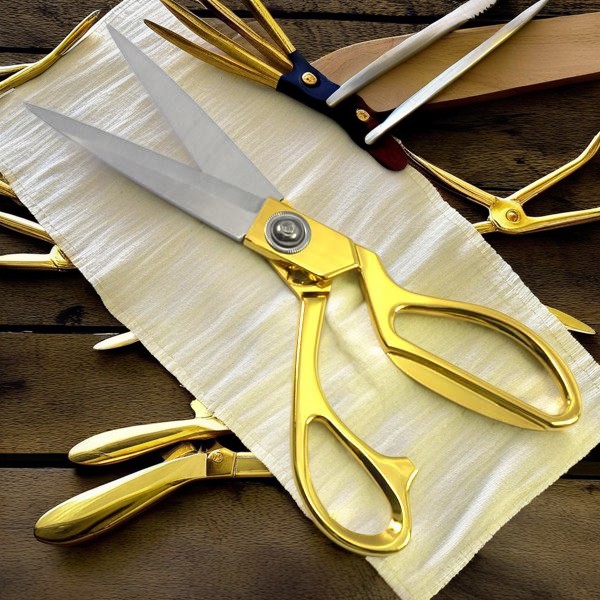
Hobby craft scissors are used for small sewing jobs, fabric art, tailoring practice, pattern work, and general creative projects. The original Bonet Houseware article introduced a gold-hued hobby craft scissor design with a focus on precision fabric cutting, comfortable handling, and a more refined appearance than ordinary utility scissors. This updated guide explains how to evaluate scissors for real cutting tasks, how to keep them performing well, and what questions to ask before buying for home use, studios, workshops, or retail assortment planning.
Key Takeaways
- Choose craft scissors according to the material you cut most often: cotton, felt, denim, ribbon, paper templates, or mixed media.
- Keep fabric scissors separate from paper and packaging scissors to protect the blade edge.
- Handle comfort matters, especially for long cutting sessions or repetitive tailoring work.
- A decorative finish can be useful for presentation, gifting, or retail display, but cutting performance should come first.
- Before purchasing in quantity, ask suppliers about blade material, finish durability, packaging, and care instructions.
What Makes Hobby Craft Scissors Different?
Craft scissors sit between lightweight household scissors and professional tailoring shears. They are expected to cut cleanly through fabric, thread, ribbon, felt, and craft materials without fraying edges or forcing the user to squeeze too hard. A good pair should open smoothly, close with control, and follow a pattern line without twisting the fabric.
The source article highlights precision fabric cutting and an ergonomic design. Those two ideas are important because creative work often involves curves, corners, layered cloth, and repeated cuts. A scissor that feels acceptable for one quick snip may become tiring during a full sewing project. When comparing options, test both the cut quality and the hand feel rather than judging by appearance alone.
Best Uses for Fabric and Craft Projects
Hobby craft scissors are suitable for many fabric-focused tasks, but they are not a universal tool for every material. Use them for cutting woven cotton, light home-textile fabric, soft felt, ribbon, sewing patterns, and craft trims. They can also be useful for trimming loose threads and shaping small fabric pieces.
For heavy leather, thick cardboard, wire, plastic sheets, or industrial textiles, a different tool may be safer and more effective. Cutting materials that exceed the scissor’s intended use can dull the blade, damage the pivot, or leave uneven edges. If you are selecting scissors for a classroom, craft club, sewing studio, or retail shelf, describe the expected use clearly before choosing a model.
How to Choose the Right Pair
Start with the cutting task. If most projects involve small fabric pieces, look for control and a tip that can reach into corners. If users cut longer straight lines, blade length and smooth opening action become more important. For mixed craft use, consider whether the scissors will be dedicated to fabric or shared for paper, yarn, and packaging.
The original description mentions a gold-hued finish and a refined look. Decorative finishes can help a tool stand out in a sewing kit or gift set, but buyers should still check practical details. Ask whether the handle shape suits different hand sizes, whether the pivot can be adjusted, and what care is recommended for the finish. If the product is intended for wholesale or branded retail, also ask about packaging options and whether product information can be provided in the language required for your market.
Comparison and Selection Checklist
| Selection Point | Why It Matters | Questions to Ask |
|---|---|---|
| Blade performance | Determines whether fabric cuts cleanly without pulling or fraying. | What materials is the scissor designed to cut, and is it intended for fabric-only use? |
| Handle comfort | Reduces fatigue during repeated cutting and detailed craft work. | Is the handle shape comfortable for long sessions and different hand sizes? |
| Finish and appearance | A gold-hued or decorative finish can improve presentation and gift appeal. | How should the finish be cleaned, and what may scratch or discolor it? |
| Size and weight | Affects control, portability, and suitability for beginners or experienced users. | What size options are available, and which projects are they best suited for? |
| Packaging and instructions | Important for retail, gifting, online sales, and user satisfaction. | Can the supplier provide clear care instructions and safe-use guidance? |
Use and Care Tips for Cleaner Cutting
Even well-made scissors perform poorly if they are used on the wrong materials or stored carelessly. The simplest rule is to keep fabric scissors for fabric. Paper, adhesive tape, and plastic packaging can quickly reduce cutting quality. If several people share a craft room, label the scissors so they are not used as general-purpose tools.
- Wipe the blades after use, especially after cutting lint-producing fabrics.
- Store scissors closed in a dry place to protect the edge and reduce accidental damage.
- Avoid dropping them, as impact can affect blade alignment or the pivot.
- Do not force the scissors through materials that feel too thick or resistant.
- Follow the supplier’s care instructions for cleaning the handle and decorative finish.
If the scissors begin to chew fabric instead of slicing it, check for lint at the pivot, blade damage, or looseness. Some scissors can be sharpened or adjusted, while others should be replaced when performance declines. Confirm this before purchase if long service life is important.
Guidance for Retail and Bulk Buyers
For retail buyers, sewing kit brands, craft subscription boxes, and promotional gift planners, appearance is only one part of the decision. A gold-hued craft scissor may photograph well and fit a premium-looking toolkit, but repeat buyers will judge it by comfort and cutting quality. Request samples before placing a larger order and test them on the actual materials your customers are likely to cut.
Because the available source does not state manufacturing capacity, material grade, compliance certificates, MOQ, or testing data, those details should be verified directly with the supplier. Ask for written specifications, packaging dimensions, available branding methods, lead times, inspection standards, and any documentation required for your sales channel. If the scissors will be sold in markets with specific safety or labeling rules, confirm responsibility for compliance before production.
Practical FAQ
Can hobby craft scissors be used for both paper and fabric?
They can physically cut both, but it is better to reserve one pair for fabric. Paper and adhesive materials may dull the edge and reduce clean fabric cutting.
Are decorative gold-hued scissors only for display?
No. A decorative finish can be part of the design, but the scissors should still be evaluated for blade action, comfort, and suitability for the intended materials.
What should beginners look for first?
Beginners should prioritize comfort, controlled cutting, and easy maintenance. A tool that feels stable in the hand is usually more useful than one chosen only for appearance.
How do I know if scissors are suitable for tailoring?
Test them on fabric similar to what you plan to cut. They should follow straight and curved lines smoothly without dragging, snagging, or shifting the fabric layers.
What should wholesale buyers confirm before ordering?
Ask about product specifications, intended materials, packaging, branding options, care instructions, sample availability, lead time, and any required compliance documents for your target market.
Final Thoughts
Hobby craft scissors are small tools with a major effect on project quality. For fabric cutting, the best choice is a pair that combines clean cutting, steady handling, and care requirements that match the user’s habits. A refined appearance, such as a gold-hued finish, can add gift or display value, but practical performance should guide the final decision. Whether buying one pair for a sewing basket or comparing options for retail, test the scissors on real materials and ask clear questions before committing.
