




Household Scissors: Practical Sourcing Guide for OEM Buyers
Household scissors are simple tools, but they carry a surprising amount of importance in retail, promotional, and private-label product lines. A pair may be used for paper, packaging, sewing preparation, craft work, kitchen drawer tasks, school projects, or office use. For buyers sourcing from an OEM scissors supplier or a Yangjiang scissors manufacturer, the goal is not only to find an attractive design. It is to confirm that the scissors match the intended user, packaging channel, quality expectations, and commercial plan.
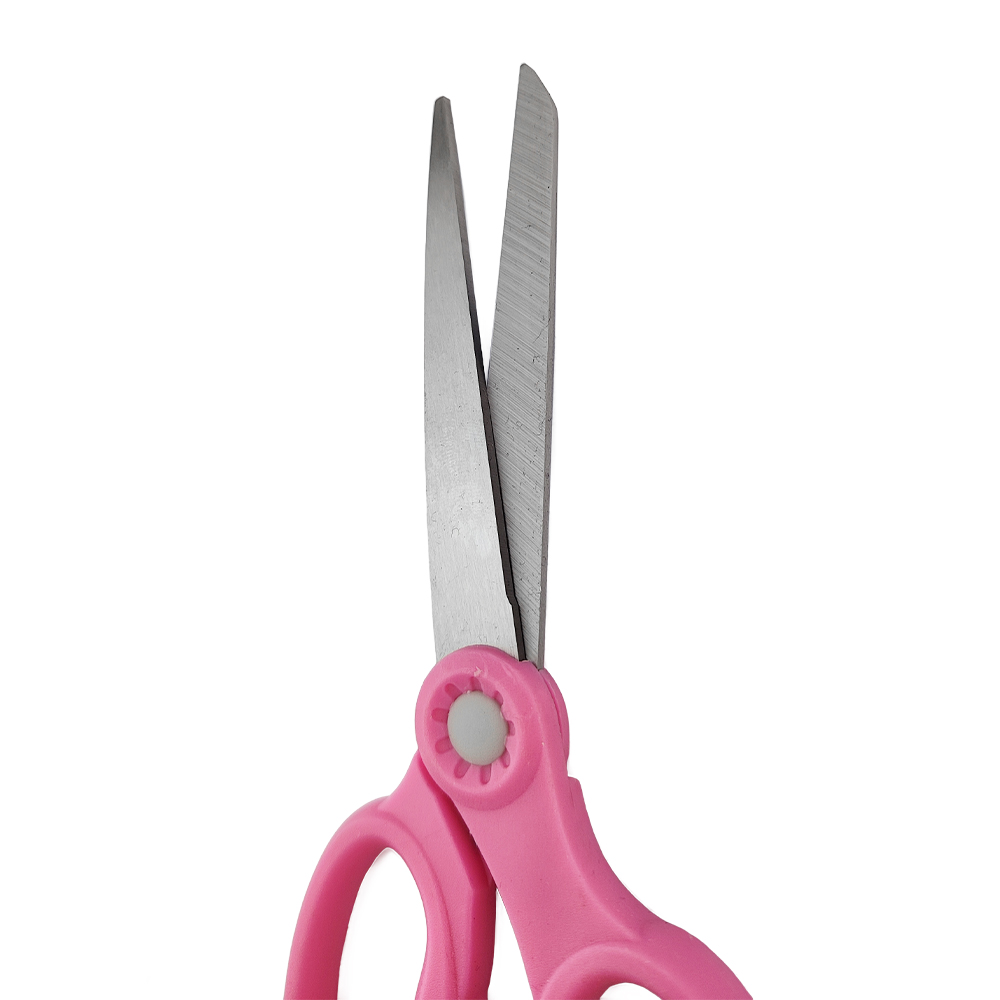
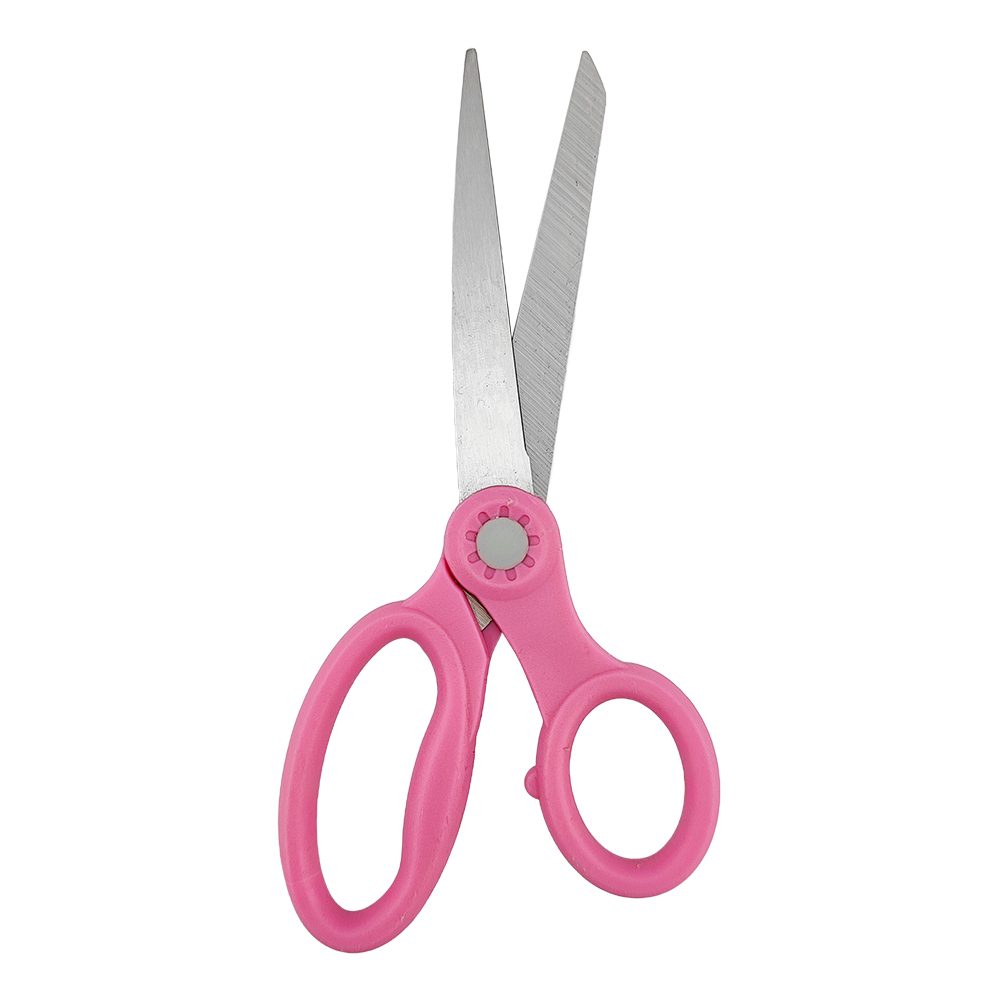
The original product described as Deluxe Pink Scissors highlights several useful features: a pink appearance, ergonomic handles, lightweight yet durable materials, stainless steel blades, and a sturdy central pivot. These are relevant starting points for evaluating a household scissors program. However, professional sourcing should go further by asking clear questions about samples, materials, tolerances, packaging options, inspection standards, and after-sales support.
Key Takeaways
- Household scissors should be selected according to use case, not appearance alone.
- For OEM scissors, buyers should confirm customization options, sample lead time, packaging, and quality control process before ordering.
- Stainless steel blades are mentioned in the source product, but buyers should still ask which grade is used and how sharpness is checked.
- Handle comfort, pivot strength, and cutting feel affect repeat purchases and customer reviews.
- Yangjiang is known as a hub for cutting tools, but supplier capability should be verified case by case.
What Makes Household Scissors Suitable for Daily Use?
Good household scissors should cut cleanly, feel comfortable in the hand, and remain easy to control during repeated use. For consumers, that means less frustration when opening packages, trimming craft materials, or cutting paper. For B2B buyers, it means fewer quality complaints and a better chance of repeat orders.
Key areas to evaluate include blade alignment, handle shape, pivot stability, and overall balance. A lightweight design can be convenient for general home use, especially for customers who need scissors for quick tasks throughout the day. Ergonomic handles may help reduce hand strain, but buyers should test the shape with different hand sizes if the product is intended for broad retail distribution.
Understanding OEM Scissors Customization
OEM scissors programs can include changes in color, handle design, packaging, branding, and sometimes blade finish or size. The Deluxe Pink Scissors example shows how color can help a product stand out, especially for craft, stationery, gift, or home organization categories. Still, color is only one part of the buying decision.
Before confirming an OEM project, ask the supplier practical questions:
- Which parts of the scissors can be customized: handle color, logo, packaging, blade marking, or hang tag?
- What files are required for logo printing or packaging artwork?
- Will the supplier provide a pre-production sample for approval?
- What is the process for confirming color consistency across batches?
- How are cutting performance and pivot assembly checked before shipment?
These questions help buyers avoid unclear expectations. If a supplier cannot provide details early in the quotation stage, the buyer should request clarification before moving to mass production.
Blade, Handle, and Pivot Checks
The source article states that the product uses stainless steel blades. Stainless steel is widely chosen for scissors because it can offer corrosion resistance and a clean cutting edge, but not all stainless steels perform the same way. Buyers should ask the supplier to identify the blade material and explain whether the blades are hardened, polished, or treated in any specific way. Avoid assuming a grade unless it is confirmed in documentation.
The pivot is another important component. A sturdy central pivot, as described in the original product information, can support smoother opening and closing. During sample review, check whether the blades wobble, whether the screw or rivet feels secure, and whether cutting remains consistent from the base of the blade to the tip.
Handle comfort should also be tested carefully. Ergonomic handles can be beneficial, but comfort depends on shape, edge smoothness, opening size, and material feel. A handle that looks good in photos may not suit long crafting or office sessions if it creates pressure points.
Comparison Checklist for Sourcing Household Scissors
| Evaluation Area | What to Check | Questions for the Supplier |
|---|---|---|
| Blade performance | Clean cutting on paper, fabric samples, and packaging material | What blade material is used, and how is sharpness inspected? |
| Handle comfort | Grip shape, smooth edges, and fit for different hand sizes | Can the handle color or design be customized for OEM orders? |
| Pivot quality | Smooth movement, low wobble, and stable blade alignment | Is the pivot screw or rivet checked during production inspection? |
| Appearance | Consistent color, surface finish, and logo placement | How will color and branding be approved before mass production? |
| Packaging | Retail display, safety, barcode space, and shipping protection | What packaging formats are available, and can artwork be customized? |
Why Yangjiang Matters for Scissors Sourcing
The original article refers to Yangjiang as a hub for precision tools and mentions Yangjiang scissors manufacturers. For buyers, this regional background can be useful because many cutting-tool suppliers, factories, and related production resources are concentrated there. However, location alone does not guarantee that a supplier is suitable for a specific order.
When evaluating a Yangjiang scissors supplier, request current product samples and confirm the company’s experience with your target channel. A supermarket program, online retail listing, promotional gift order, and private-label craft set may each require different packaging, documentation, and inspection steps. Buyers should also ask whether the supplier is a factory, trading company, or a combined operation, because this affects communication, customization flexibility, and production follow-up.
How to Review Samples Before Placing an Order
Sample testing should be simple but consistent. Use the same materials for every supplier so that comparisons are fair. For household scissors, test standard paper, thin cardboard, thread, light fabric, and common packaging film if those uses match your market. Check whether the scissors cut smoothly at the tip as well as near the handle.
Also evaluate the user experience after several minutes of repeated cutting. Do the handles remain comfortable? Does the pivot loosen? Are there rough edges around the handle or blade back? Does the pink finish appear consistent across multiple samples? These details can influence customer satisfaction more than a product description does.
Packaging and Retail Positioning
Household scissors often compete in crowded retail categories, so packaging should explain the intended use clearly. For a product like Deluxe Pink Scissors, the pink color may appeal to craft, stationery, and home-use buyers, but the packaging should still communicate practical information. Buyers may want space for a barcode, warning text, usage notes, brand story, and product image.
If selling online, ask the supplier for dimensions, weight, and packaging photos so listings can be accurate. If selling through retail stores, confirm whether the packaging supports hanging display, shelf display, or bulk shipment. Do not assume packaging strength; request a sample with final packaging whenever possible.
FAQ
Are these scissors only for crafts?
No. Household scissors are commonly used for paper, packaging, sewing preparation, office tasks, and general home use. Buyers should match the final product to the materials their customers are most likely to cut.
Can OEM household scissors be customized?
OEM customization may include handle color, branding, and packaging, depending on the supplier. Buyers should ask exactly which options are available and request samples before confirming production.
What should buyers ask about stainless steel blades?
Ask which stainless steel is used, how the blades are sharpened, and what inspection method is used to check cutting performance. Do not assume a specific grade without supplier confirmation.
How can I compare scissors from different suppliers?
Use the same cutting materials, compare handle comfort, inspect pivot stability, review packaging quality, and ask each supplier the same commercial and quality-control questions.
Is Yangjiang a good place to source scissors?
Yangjiang is known for cutting tools, including scissors, but buyers should still verify each supplier’s samples, communication, customization ability, and quality control process before placing an order.
