




Household Scissors Factory: How to Source Durable OEM Scissors with Confidence

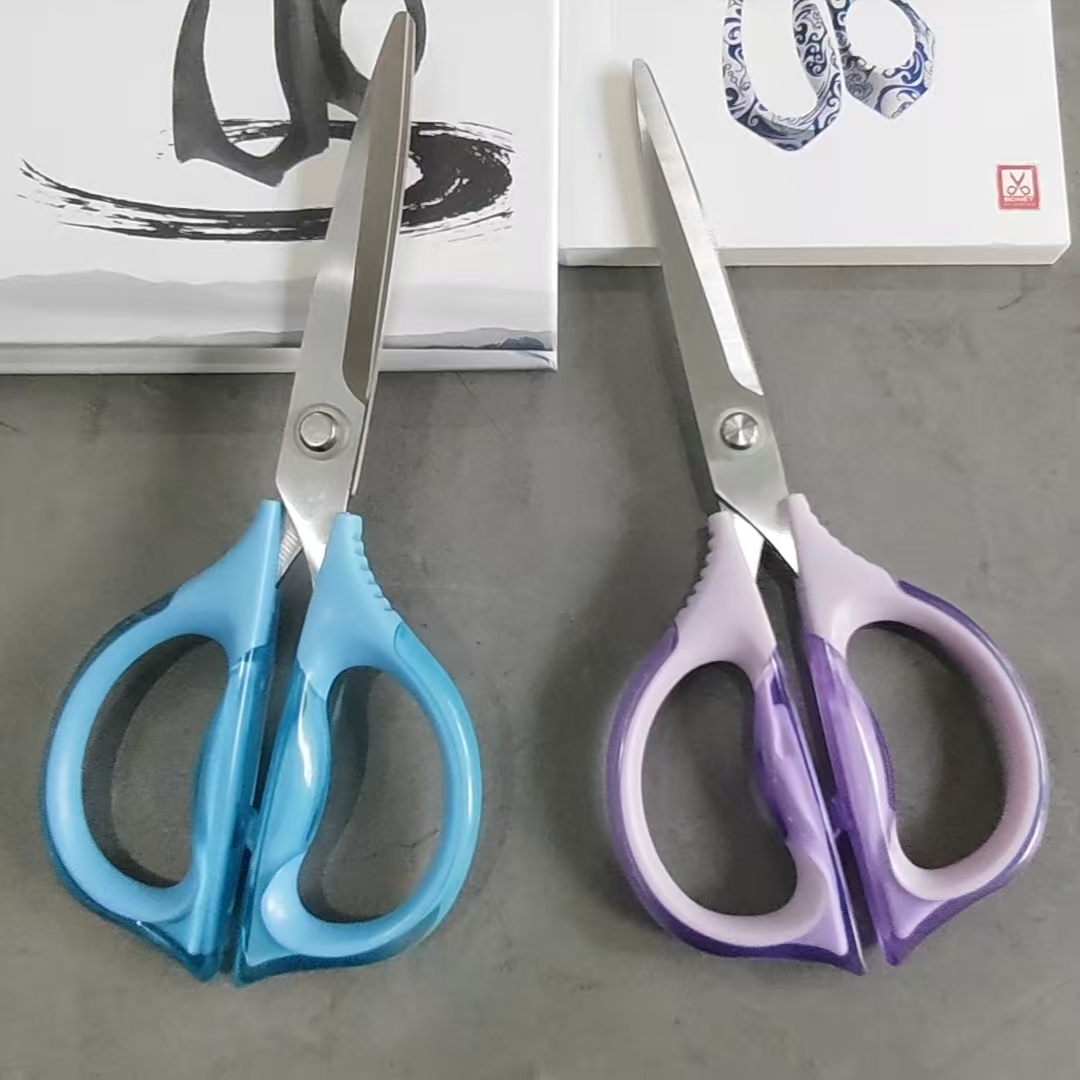
Choosing a household scissors factory is not only about finding a low unit price. For importers, retailers, promotional product buyers, and private-label brands, scissors must cut reliably, feel comfortable in the hand, arrive in consistent packaging, and match the intended use case. The original product information highlights OEM supply, stainless steel blades, ergonomic handles, and color options such as electric blue and pastel lavender. Those are useful starting points, but a professional sourcing decision should go further: confirm materials, request samples, define inspection criteria, and ask the supplier clear commercial questions before committing to a wholesale order.
Key Takeaways
- Start with the end user: kitchen drawer, craft room, office desk, school kit, or promotional giveaway.
- Ask the factory to confirm blade material, handle material, size, finish, packaging, and available color options in writing.
- Use samples to test cutting performance, grip comfort, blade alignment, and packaging strength.
- For OEM orders, clarify logo method, artwork requirements, sample lead time, production lead time, MOQ, and carton details before ordering.
What Buyers Should Define Before Contacting a Factory
A household scissors factory can usually respond faster when the buyer provides a practical brief. Instead of asking for “good scissors,” describe the target channel and user. A supermarket multipack may need different packaging and cost control than a boutique stationery item. A craft set may need precise tips, while general household scissors should handle paper, light packaging, tags, and common daily cutting tasks.
Your sourcing brief should include preferred length, target retail price range, handle color, packaging type, logo requirements, and expected order quantity. If you do not know the exact technical specification, ask the supplier for standard models and explain your market. A reliable OEM scissors supplier should be able to show existing options, explain customization boundaries, and identify which details affect price or lead time.
Factory, Trading Company, or OEM Supplier?
The term “household scissors factory” often appears in search results together with OEM, ODM, wholesale, and supplier. These terms are related but not identical. A factory may manufacture directly. A trading company may coordinate production through partner factories. An OEM supplier may produce scissors according to a buyer’s branding and packaging requirements. An ODM supplier may offer existing designs that can be adjusted with colors, packaging, or branding.
None of these models is automatically better in every case. Direct factories may offer better production control, while trading partners can sometimes provide wider category coverage. The important point is transparency. Ask who manufactures the goods, who controls quality, who handles export documents, and who is responsible if a shipment does not match the approved sample.
Comparison Checklist for Household Scissors Sourcing
| Item to Check | Why It Matters | Questions to Ask the Supplier |
|---|---|---|
| Blade material | Affects sharpness, corrosion resistance, and durability. | What blade material is used, and can it be confirmed on the quotation or specification sheet? |
| Handle design | Influences comfort, control, and fatigue during repeated use. | Is the handle ergonomic, and are left-hand or different grip options available? |
| Cutting performance | Determines whether the product suits paper, packaging, crafts, or general home use. | What materials is this model intended to cut, and can samples be tested before bulk production? |
| Color options | Supports retail display, brand identity, and product differentiation. | Are colors such as blue, lavender, amber, or custom Pantone colors available? |
| Packaging | Impacts shelf appeal, shipping protection, and barcode requirements. | Can the factory provide blister cards, paper cards, cartons, or private-label packaging? |
| Quality inspection | Reduces risk of inconsistent blades, loose screws, or packaging defects. | What inspection steps are used, and what acceptance criteria can be agreed before shipment? |
How to Evaluate Samples
Samples are one of the most important steps in OEM scissors sourcing. Request at least one sample of the standard model and, if possible, a pre-production sample with your preferred color, logo, and packaging. Do not judge only by appearance. Open and close the scissors repeatedly, check whether the blades meet evenly, and test several common materials that match the intended use.
- Cut printer paper from the base of the blade to the tip and look for snagging.
- Cut lightweight cardboard or packaging if the product is marketed for household utility.
- Check the screw or pivot for looseness after repeated opening and closing.
- Hold the scissors for several minutes to assess finger comfort and grip control.
- Inspect the packaging for bent cards, weak seals, poor printing, or barcode problems.
If the factory mentions stainless steel blades or ergonomic handles, ask for the exact description to be included in the product specification. This avoids misunderstandings between marketing text, sample approval, and bulk production.
OEM Customization Points to Confirm
OEM household scissors can be customized in several ways, but each choice should be documented. Common customization points include handle color, blade finish, logo placement, retail card design, carton marks, barcode labels, and instruction or warning text. Color is especially important for retail programs because small shade differences can affect the final presentation. If you require an exact brand color, ask whether the supplier can match a Pantone reference and whether a color sample will be approved before mass production.
Logo method also matters. Depending on the product design, a logo may be printed on the handle, added to packaging, or included on a hang card. Ask about durability, artwork format, print limitations, and whether logo placement changes the sample cost or lead time. For international orders, also ask what export documents, labeling details, and carton information the supplier can provide. Do not assume requirements are included unless they are written into the order documents.
Quality and Commercial Questions for Wholesale Buyers
Before placing a wholesale order, buyers should create a short but specific question list. This protects both sides and makes quotations easier to compare. Ask about MOQ, sample policy, production lead time, payment terms, packing quantity, carton size, gross weight, and whether mixed colors are possible. If you have compliance or market-entry requirements, state them clearly and ask what documents the supplier can provide. Avoid relying on general claims; request written confirmation relevant to your destination market.
Quality expectations should also be agreed in advance. For household scissors, practical inspection points may include blade alignment, cutting smoothness, handle defects, color consistency, screw tightness, rust or surface marks, packaging accuracy, and carton strength. If you use a third-party inspection company, share the checklist with the factory before production begins.
Practical FAQ
What makes a good household scissors factory?
A good supplier provides clear product specifications, consistent samples, realistic lead times, responsive communication, and willingness to define quality standards before production. Buyers should also look for transparency about materials, packaging options, and customization limits.
Can household scissors be customized for private label?
Often yes. OEM customization may include handle colors, packaging artwork, logo placement, barcodes, and carton marks. Exact options depend on the model, order quantity, and factory capability, so confirm details during the quotation stage.
Should I choose stainless steel blades?
The original article mentions stainless steel blades as a feature. If that is important for your market, ask the supplier to confirm the exact blade material and include it on the specification sheet and invoice or purchase order.
How many samples should I test?
For a new supplier or new model, test more than one sample if possible. Check cutting performance, comfort, appearance, packaging, and consistency. For private-label projects, approve a final pre-production sample before mass production.
What information should be in my purchase order?
Include model number, material description, color, logo requirements, packaging files, quantity, unit price, delivery terms, inspection requirements, production lead time, and approved sample reference. Clear documents reduce avoidable disputes.
Final Sourcing Advice
A household scissors factory can be a valuable partner when the sourcing process is structured. Begin with a clear product brief, compare samples against real use cases, and ask direct questions about OEM options, packaging, quality checks, and commercial terms. Instead of focusing only on a stylish appearance, evaluate whether the scissors meet the daily cutting tasks, retail expectations, and documentation needs of your market.
