




Household Scissors Manufacturer: Precision and Style
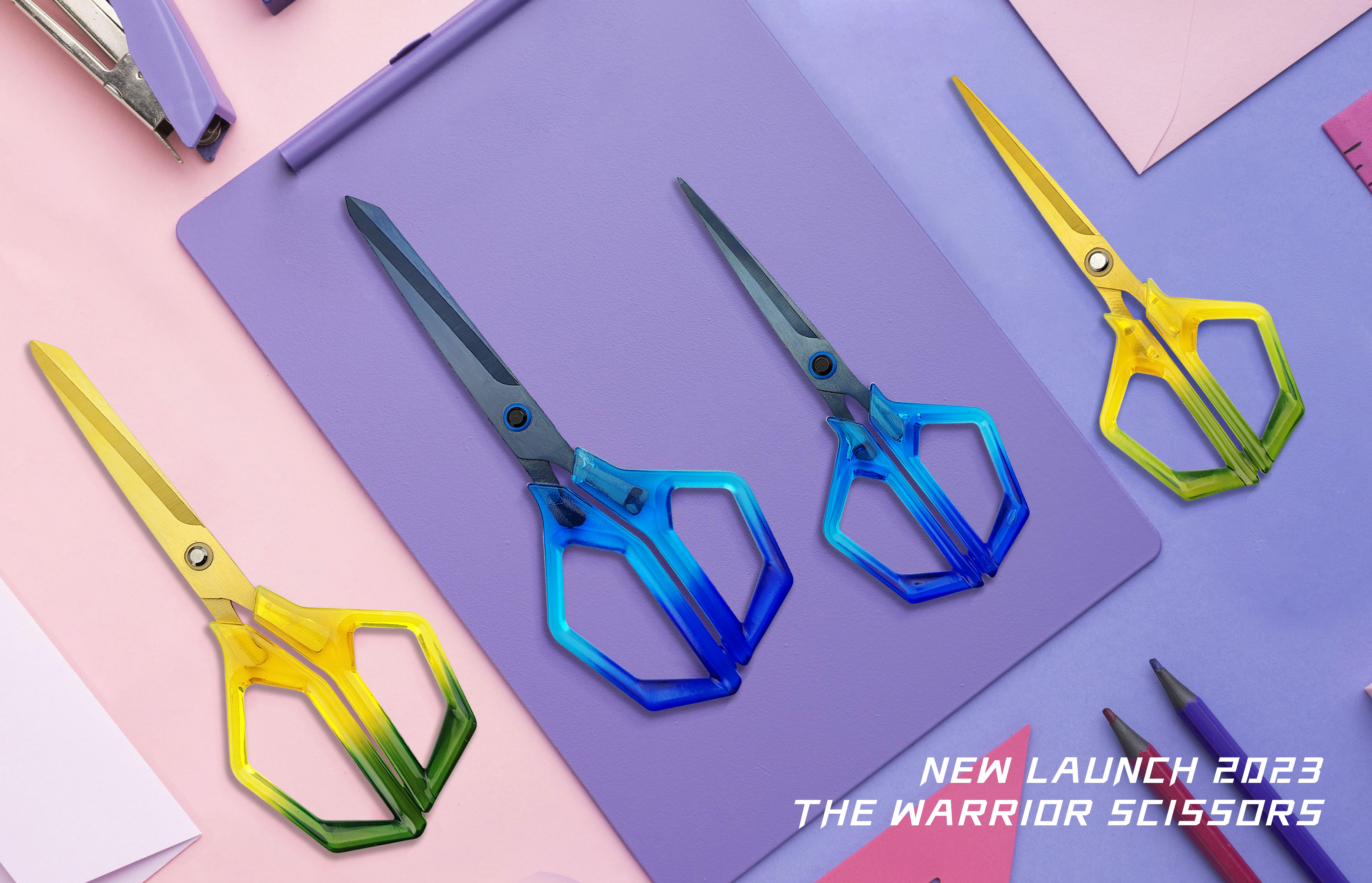
Household scissors are simple tools, but sourcing them well requires more than choosing an attractive handle color. Buyers need to consider cutting performance, comfort, packaging, branding options, consistency across batches, and the supplier’s ability to answer technical questions clearly. For wholesalers, importers, retail brands, and promotional product buyers, a household scissors manufacturer should be evaluated as a long-term supply partner rather than a one-time vendor.
The original product article introduced Warrior Scissors as a household scissors option associated with precision, style, creative spaces, OEM customization, stainless steel blades, and ergonomic comfort. This updated guide keeps the focus on that search intent while giving buyers a more practical framework for comparing products and communicating with a professional scissors supplier.
Key Takeaways
- Ask for product samples before confirming any household scissors order.
- Do not rely on appearance alone; test cutting feel, blade alignment, handle comfort, and packaging durability.
- For OEM household scissors, confirm branding method, artwork requirements, color matching process, and approval samples.
- Request written answers for materials, coating, carton packing, lead time, MOQ, and quality inspection steps instead of assuming details.
What Makes Household Scissors Suitable for Daily Use?
A good pair of household scissors should cut paper, labels, thin cardboard, thread, packaging film, and light craft materials with control. The blades should meet cleanly without excessive looseness, and the pivot should feel stable during repeated opening and closing. If the product is promoted for creative work or office use, buyers should test both straight cuts and small detailed cuts.
The source article describes the Warrior model as a precision tool with angular stainless steel blades and a modern appearance. Stainless steel is commonly selected for household scissors because it can support sharp cutting edges and everyday durability, but buyers should still ask the supplier to clarify the exact material description used for the product, the blade finish, and recommended use limits. A supplier should be able to explain what the scissors are intended to cut and what materials may shorten blade life.
OEM Household Scissors: What Buyers Should Clarify
OEM household scissors can help a brand build a recognizable product line, but customization should be managed carefully. A manufacturer may offer options such as logo printing, color selection, retail cards, blister packaging, or private-label cartons. However, the availability, MOQ, cost, and lead time for each option should be confirmed directly with the supplier.
Before placing an OEM order, prepare a clear specification sheet. Include the product model, target market, expected packaging format, barcode requirements, logo position, artwork files, and any retail display needs. If color is important, use a recognized color reference and request a pre-production sample. For branding, ask whether the logo is printed, etched, labeled, or applied by another method, and confirm how it performs after handling and cleaning.
Comparison Checklist for Selecting a Scissors Supplier
| Evaluation Area | What to Check | Questions to Ask the Supplier |
|---|---|---|
| Blade performance | Clean cutting, alignment, tip control, smooth opening and closing | What materials are these scissors designed to cut, and what tests are used during inspection? |
| Material details | Blade material, coating or finish, handle material | Can you provide the exact material description and care recommendations for this model? |
| Comfort | Grip size, finger opening, edge smoothness, hand fatigue during use | Is this design intended for general household use, craft use, or professional daily use? |
| OEM options | Logo, color, packaging, labeling, carton marks | What customization options are available, and what are the MOQ and sample process for each? |
| Packaging | Retail appearance, protection in transit, barcode and language needs | Can packaging be adapted for our market requirements and shipping method? |
| Quality control | Sample approval, batch consistency, defect handling | What inspection steps are completed before shipment, and how are defects resolved? |
How to Review Samples Before a Bulk Order
Sample evaluation is the most reliable way to compare household scissors manufacturers. Test the scissors with materials similar to your target customer’s daily use: printer paper, packaging tape backing, soft plastic packaging, yarn or thread, and light card. Do not use only one cut as the basis for approval. Open and close the scissors repeatedly, check whether the pivot remains stable, and inspect whether the blades rub unevenly or leave uncut sections.
Also review the handle. A handle may look stylish in product photos but feel uncomfortable if edges are sharp or the opening is too small. If the scissors are designed for creative spaces, comfort during repeated use matters. Ask several team members to try the sample because hand size and grip habits vary.
Packaging, Branding, and Retail Presentation
For wholesale and retail buyers, the scissors are only part of the final product. Packaging affects shelf presentation, shipping protection, compliance labeling, and customer perception. If the product will be sold through retail channels, request dielines, packaging photos, and a packed sample. Confirm whether the blade tips are protected and whether the scissors are secured well enough to prevent movement during transport.
For private-label programs, keep artwork simple and production-ready. Confirm file formats, print colors, safety wording, barcode placement, and carton markings. If your market has labeling or import requirements, provide those requirements to the supplier and ask whether they can produce packaging accordingly. Avoid assuming that a standard package will automatically meet your local obligations.
Questions to Ask a Professional Scissors Manufacturer
- What is the exact product name or model for the scissors shown?
- What blade material, handle material, and surface finish are used?
- Is the product intended for household, craft, school, office, or professional use?
- What OEM options are available for logo, color, packaging, and carton design?
- What is the sample lead time, sample cost policy, and approval process?
- What are the MOQ, production lead time, payment terms, and shipping options?
- What quality checks are performed before shipment?
- How should buyers report defects or inconsistencies after receiving goods?
Use and Care Guidance for End Customers
Even well-made household scissors perform better when used correctly. Customers should keep scissors dry after cleaning, avoid cutting hard wire or thick metal unless the product is specifically designed for that purpose, and store the tool where the blades are protected. If adhesive residue builds up from tape or labels, it should be cleaned gently according to the supplier’s care instructions. Retailers can reduce complaints by including simple use-and-care guidance on the package or product page.
FAQ
What should I look for in a household scissors manufacturer?
Look for clear product information, responsive communication, sample availability, consistent packaging support, and a practical quality control process. A reliable supplier should answer material, OEM, packing, and inspection questions in writing.
Can household scissors be customized for private-label sales?
Often, yes. OEM options may include logo application, handle color, retail packaging, and carton marks. Availability depends on the supplier and order details, so confirm MOQ, artwork requirements, and sample approval before ordering.
Are stainless steel blades enough to guarantee quality?
No. Stainless steel is useful, but cutting quality also depends on blade geometry, edge finishing, pivot stability, handle comfort, and inspection consistency. Always test samples before bulk purchasing.
How can buyers compare two similar scissors samples?
Use the same cutting materials, repeat the same tasks, check comfort after several minutes of use, inspect blade alignment, and compare packaging strength. Record results so the decision is based on performance, not only appearance.
What details should be confirmed before placing a wholesale order?
Confirm product model, materials, finish, packaging, branding, MOQ, lead time, payment terms, shipping method, inspection process, and defect resolution procedure. These points help prevent misunderstandings once production begins.
