




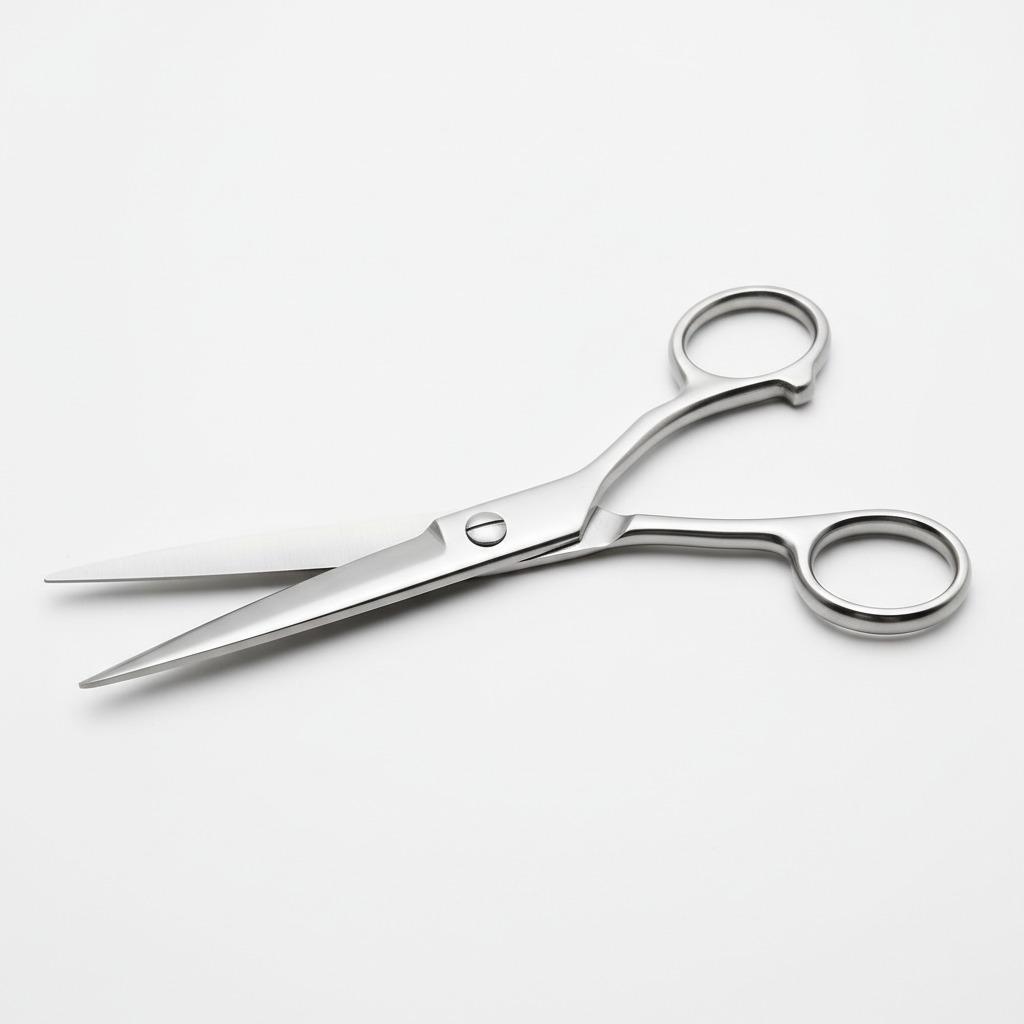
How a Quality Pair of Scissors Can Transform Your Crafting Experience
Craft projects often succeed or fail at the cutting stage. A pattern piece that shifts, a fabric edge that frays, or a paper shape that ends with chewed corners can make the rest of the work harder. While technique matters, the tool in your hand matters too. A dull, loose, or uncomfortable pair of scissors can turn a simple task into repeated trimming and frustration.
Good scissors do not automatically make someone a better crafter, but they make it easier to work accurately. The right pair should cut the material cleanly, feel controlled from tip to pivot, and reduce fatigue during longer sessions. This guide explains what to look for, how to compare options, and how to care for scissors so they stay useful for sewing, paper crafts, quilting, yarn work, and general DIY projects.
Key Takeaways
- Match scissors to the material: fabric, paper, thread, and detail cutting often need different blade shapes or sizes.
- Check blade alignment, pivot tension, handle comfort, and tip control before buying.
- Do not use dedicated fabric scissors on paper or packaging if you want them to stay sharp longer.
- Clean, dry, and store scissors properly to protect the edge and pivot.
Why Scissor Quality Changes the Crafting Process
Low-cost all-purpose scissors may be fine for occasional light cutting, but they often show their limits with fabric, layered cardstock, felt, ribbon, or yarn. Common problems include blades that push material instead of cutting it, tips that do not meet cleanly, and handles that create pressure points on the fingers.
Higher-quality craft scissors are usually designed with more attention to blade geometry, edge finishing, pivot control, and grip shape. Buyers should still verify the exact material and construction from the supplier or product listing, because terms such as “stainless steel,” “titanium coated,” or “ergonomic” can vary widely. The practical result you are looking for is simple: clean cutting from heel to tip with less force.

Choose the Right Scissors for the Material
One pair rarely performs perfectly for every craft. A long pair of shears may be excellent for cutting straight fabric lengths but awkward for small paper details. Small embroidery scissors may trim threads accurately but are not intended for thick cardboard. Before choosing, list the materials you cut most often and how precise the cut needs to be.
- Fabric and sewing: Look for shears that cut smoothly through a single layer without lifting or dragging the fabric. A longer blade can help with straight cuts.
- Paper crafts: Choose scissors with good tip control for curves and corners. Keep these separate from fabric scissors.
- Thread and embroidery: Small, sharp tips make close trimming easier.
- Cardstock and mixed media: Consider hand comfort and pivot strength, especially if cutting repeated shapes or thicker layers.
- Children’s crafts: Prioritize age-appropriate safety, supervision, and rounded tips where needed.
Comparison Checklist: Cheap vs. Quality Craft Scissors
The table below is not a brand ranking. It is a practical checklist you can use when comparing scissors online or in a store.
| Check Point | Basic or Poorly Made Scissors | Better Craft Scissors | Why It Matters |
|---|---|---|---|
| Blade alignment | Tips may not meet evenly; blades may wobble | Blades meet consistently from pivot to tip | Improves accuracy and reduces missed fibers |
| Sharpness | May tear, crush, or chew material | Cuts with less pressure and fewer passes | Cleaner edges save time during assembly |
| Pivot tension | Too loose or too stiff | Smooth opening and closing with control | Helps reduce hand strain and uneven cuts |
| Handle comfort | Hard edges or small finger openings | Grip shape fits the user’s hand better | More comfortable for long projects |
| Material suitability | Marketed as all-purpose with few details | Clearly intended for fabric, paper, thread, or craft use | Helps prevent premature dulling or poor performance |
| Care requirements | Often treated as disposable | Worth cleaning, storing, and sharpening when appropriate | Can improve long-term value |
How to Test Scissors Before You Commit
If you can test scissors in person, use offcuts similar to your usual materials. For fabric, cut slowly along a straight line and then try a curve. Watch whether the fabric lifts or slips. For paper, test the tips by cutting a small notch or tight curve. For thread, check whether the tips snip cleanly without pulling.
Also pay attention to your hand. A pair that cuts well but presses painfully into the thumb or knuckles may not be the right choice for frequent use. Open and close the scissors several times. The movement should feel controlled, not gritty or loose. If buying online, review product descriptions carefully and ask the seller questions about intended use, blade length, handle size, and whether the scissors are suitable for left-handed users if that applies.
Use and Care Tips That Keep Scissors Cutting Well
Even good scissors can become disappointing if they are used on the wrong materials or stored poorly. The easiest rule is to separate tools by purpose. Many crafters label fabric scissors and keep them away from paper, tape, plastic packaging, and wire. Adhesive residue is another common problem because it can build up on the blades and make cutting feel sticky.
- Wipe blades after use, especially after cutting materials that shed lint or leave residue.
- Dry scissors before storage to reduce the chance of corrosion on exposed metal parts.
- Store scissors closed, ideally in a sleeve, pouch, drawer, or tool roll.
- Avoid cutting pins, staples, wire, or heavy plastic unless the scissors are designed for that purpose.
- When performance drops, consider proper sharpening rather than forcing dull blades through material.
When It Is Worth Upgrading
An upgrade makes sense when poor cutting is slowing down your projects or affecting the finish. Signs include frayed fabric edges, jagged paper cuts, hand fatigue after short use, or the need to cut the same line more than once. If you craft only a few times a year, one dependable general craft pair may be enough. If you sew, quilt, make paper goods, or prepare kits regularly, separate scissors for different tasks can be more efficient.
For buyers comparing options from a supplier or product range, avoid relying on broad marketing language alone. Ask practical questions: What material are the blades made from? Is the handle suitable for extended use? Are there different sizes for different applications? Can the scissors be sharpened? How should they be cleaned? Clear answers help you select tools based on use rather than price alone.
Practical FAQ
Can I use the same scissors for fabric and paper?
You can, but it is not ideal if you want fabric scissors to stay sharp. Paper and packaging can dull edges faster, so many crafters keep a dedicated pair for fabric.
What size scissors are best for crafting?
It depends on the task. Longer shears are helpful for straight fabric cuts, while smaller scissors are better for thread trimming, curves, and detail work.
How do I know if my scissors are dull?
If they fold fabric, chew paper, miss threads at the tip, or require extra pressure, the blades may be dull, misaligned, or unsuitable for the material.
Are expensive scissors always better?
No. A higher price does not guarantee the right fit. Focus on material suitability, blade alignment, comfort, and care needs. The best pair is the one that performs well for your actual projects.
Should I sharpen craft scissors myself?
Simple maintenance is fine, but improper sharpening can damage the edge. For valued fabric or sewing scissors, consider a professional sharpening service or follow the manufacturer’s guidance.
Final Thoughts
A quality pair of scissors improves crafting by making cuts cleaner, steadier, and less tiring. The biggest gains come from choosing scissors for the material, testing comfort, and caring for the tool consistently. Whether you are cutting fabric panels, paper shapes, thread ends, or mixed-media supplies, a reliable pair turns cutting from a struggle into a controlled step in the project.
