




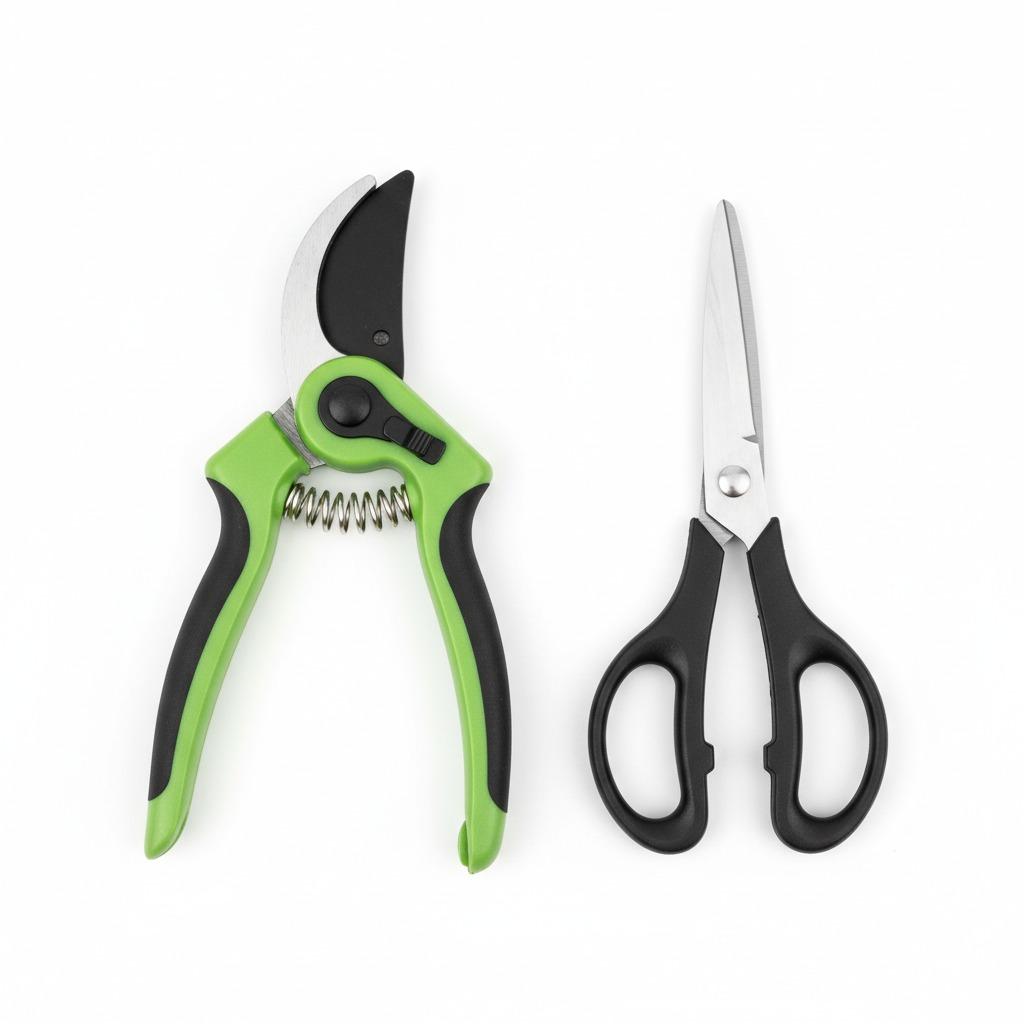

How Ergonomic Handle Designs Reduce Repetitive Strain Injury
Repetitive strain injury, often shortened to RSI, is not limited to factory work or office typing. It can also develop from small daily movements repeated many times: cutting packaging, trimming paper, preparing food, crafting, sewing, gardening, or opening parcels. A simple household scissor can become uncomfortable when the handle shape forces the wrist to bend, the thumb to press too hard, or the fingers to repeat the same closing motion without enough support.
Ergonomic handle design aims to reduce those stresses. It does not make a tool medical equipment, and it cannot guarantee injury prevention, but it can make everyday cutting easier by supporting a more natural hand position and reducing unnecessary grip force. For consumers choosing household scissors, the key is to understand which handle features matter, how to test comfort before buying, and how to use scissors in a way that protects the hand over time.
Key Takeaways
- RSI risk increases when tools require awkward wrist angles, high grip force, and repeated squeezing.
- Ergonomic scissor handles are designed to support a more neutral wrist and distribute pressure across the hand.
- Useful features to compare include handle angle, grip surface, finger-loop size, spring assistance, and blade smoothness.
- Good technique still matters: keep the wrist straight, avoid over-gripping, and take breaks during repetitive cutting.
What RSI Means for Everyday Scissor Use
RSI describes discomfort or injury caused by repeated movements that overload muscles, tendons, or nerves. In the hand and wrist, common warning signs include aching, tingling, numbness, stiffness, reduced grip strength, or pain that appears during or after repetitive tasks. If symptoms are persistent or severe, a healthcare professional should be consulted.
Scissors can contribute to strain because they combine several risk factors: pinching with the thumb and fingers, opening and closing the hand repeatedly, and guiding the cut with wrist movements. When the handles are too small, too hard, slippery, or poorly angled, the user may compensate by squeezing harder or twisting the wrist. Over many sessions, that extra effort can add up.
How Poor Handle Design Creates Extra Strain
Traditional straight handles are not automatically bad, but they may be uncomfortable for some users or tasks. A handle that does not fit the hand can create pressure points around the thumb and fingers. A narrow finger loop can press into the skin. A slick plastic surface can cause the hand to tighten its grip. A handle angle that does not match the cutting position may push the wrist away from a neutral line.
The issue becomes more noticeable during repeated cuts, such as cutting labels, coupons, craft materials, fabric pieces, food packaging, or herbs. The more frequently the scissors are used, the more important handle comfort becomes. For light occasional use, almost any clean, sharp household scissor may be acceptable. For frequent use, ergonomic design becomes a practical selection factor.
Ergonomic Handle Features to Look For
When comparing household scissors, focus on how the tool feels in the hand rather than on one marketing phrase. Ergonomic design can include several features, and not every user needs all of them.
- Offset or angled handles: These can help keep the wrist straighter during cutting, especially on flat surfaces.
- Contoured grip shape: Rounded edges and shaped finger rests may spread pressure more evenly.
- Soft or textured grip areas: A comfortable surface can reduce slipping and may lower the need to squeeze tightly.
- Larger finger loops: More space can help users with larger hands or reduced finger mobility.
- Spring-assisted opening: A spring mechanism can reduce the effort needed to reopen the blades after each cut.
- Smooth blade action: Handles matter, but stiff blades also increase hand effort. Open and close the scissors to check resistance.
Comparison Checklist: Traditional vs. Ergonomic Handles
Use the table below as a practical buying checklist. The goal is not to find the most complicated scissor, but the one that reduces effort for your hand size and typical tasks.
| Selection Point | Basic Handle Concern | Ergonomic Feature to Check | Why It Helps |
|---|---|---|---|
| Wrist position | Wrist bends while cutting | Offset or angled handle | Supports a straighter wrist and less twisting |
| Grip pressure | User squeezes hard to control the tool | Soft, textured, or wider grip surface | Improves control and reduces pressure points |
| Finger comfort | Loops pinch or rub the thumb and fingers | Rounded, larger, or contoured loops | Spreads contact over a larger area |
| Repetition | Hand tires from constant opening motion | Spring-assisted reopening, if suitable | Reduces repeated finger extension effort |
| Cutting smoothness | Blades feel stiff or snag material | Smooth pivot and appropriate blade sharpness | Requires less force for each cut |
How to Choose Household Scissors for Your Tasks
Start with the material you cut most often. Paper and packaging require general-purpose scissors with comfortable control. Food prep may require scissors that are easy to clean and suitable for kitchen use. Craft and fabric work may require cleaner blade movement and longer cutting sessions, making handle comfort especially important.
Next, consider hand size and strength. If the loops feel tight or the thumb sits at an awkward angle, choose a different handle shape. Left-handed users should check whether the scissor is left-hand compatible rather than assuming the handle will work both ways. If arthritis, reduced grip strength, or previous wrist pain is a concern, a spring-assisted model may be worth trying, but it should still feel stable and controllable.
If buying online, read product descriptions carefully and look for clear images of the handle angle and grip shape. If buying for a workplace, school, craft room, or shared household drawer, it can be useful to keep more than one scissor style available because different users may find different handle shapes comfortable.
Use Technique: Ergonomics Is More Than the Handle
Even a well-designed handle works best with good cutting habits. Keep the wrist as straight as possible and move the material rather than twisting the wrist to follow every curve. Hold the scissors firmly enough for control, but not so tightly that the knuckles whiten. Use the full blade length when appropriate instead of making many tiny cuts that increase repetition.
- Choose the right scissor size for the task and your hand.
- Check that the pivot opens and closes smoothly before long cutting sessions.
- Keep the material supported on a table when possible.
- Pause every few minutes during repetitive cutting.
- Stop if numbness, tingling, or sharp pain appears.
Basic Care to Keep Cutting Effort Low
Dull, sticky, or misaligned scissors require more force, which can increase hand fatigue. Wipe blades after cutting adhesive packaging, tape, or food materials. Dry scissors before storage to reduce corrosion risk. Store them closed and away from loose drawer clutter that can damage blade edges. If the pivot becomes stiff, follow the manufacturer’s care guidance; do not force the handles through resistance.
Replace scissors when the blades no longer cut cleanly, the handle cracks, or the pivot becomes unreliable. A comfortable handle cannot compensate for poor cutting performance.
FAQ
Do ergonomic scissors prevent carpal tunnel syndrome?
They may help reduce strain by improving wrist position and lowering grip effort, but they cannot guarantee prevention or treatment. Persistent numbness, tingling, or wrist pain should be evaluated by a medical professional.
Are spring-loaded scissors better for everyone?
Not always. Spring assistance can reduce the effort of reopening the blades, but some users prefer the control of standard scissors. Try both if possible.
What is the best handle shape for household scissors?
The best shape is the one that fits your hand, keeps your wrist neutral, and avoids pressure points during the tasks you do most often.
When should I replace old household scissors?
Replace them when they require excessive force, snag materials, have damaged handles, or no longer open and close smoothly. Lower cutting effort is an important part of hand comfort.
