








Melon Corer Supplier: Wholesale Fruit Prep Tools & OEM Kitchen Gadget Guide
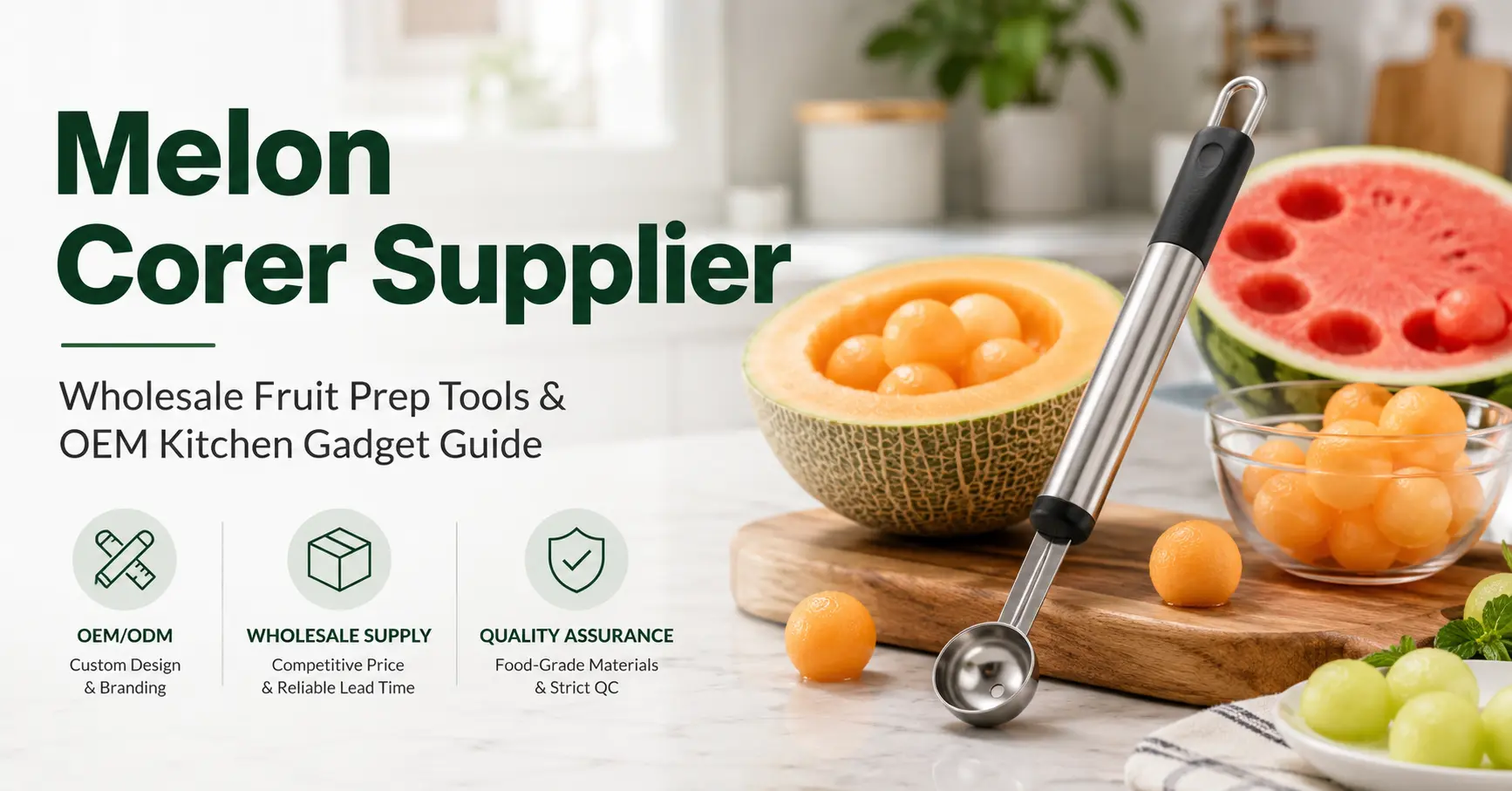
Melon corers are compact fruit preparation tools used for removing seeds, shaping melon portions, and preparing fruit for salads, desserts, buffet trays, and home serving. For B2B buyers, the product looks simple, but sourcing it well requires attention to material quality, handle comfort, packaging, food-contact expectations, and repeat supply stability.
Importers, supermarket buyers, Amazon sellers, kitchenware distributors, and private label brands often add melon corers to broader kitchen gadget ranges because they are lightweight, easy to display, and simple for consumers to understand. The right melon corer supplier should help buyers compare models, check samples, select retail packaging, and plan OEM options without overcomplicating the purchase.
Key Takeaways
- A melon corer is a small tool, but quality differences can affect sharpness, comfort, cleaning, and customer reviews.
- B2B buyers should assess the coring head, handle design, packaging strength, labeling, and carton protection before ordering in bulk.
- OEM and private label sourcing should start with practical questions about logo placement, packaging artwork, samples, MOQ, and lead time.
- The best supplier is not always the lowest-cost option; consistency, communication, and repeat supply are also important.
Why Melon Corers Work for Wholesale Programs
Melon corers fit several sales channels because they solve a clear kitchen task. They can be sold as a single fruit tool, included in a summer promotion, or bundled with peelers, slicers, food holders, and other kitchen gadgets. Their compact size also makes them suitable for hanging displays, small shelf areas, and e-commerce fulfillment.
For online sellers, the product is easy to demonstrate through images or short videos. For supermarkets, shoppers can quickly understand the purpose from the packaging. For distributors, melon corers can fill a useful place in a fruit preparation or seasonal kitchenware catalog.
What to Expect from a Reliable Melon Corer Supplier
A professional melon corer supplier should do more than quote a unit price. Buyers should expect clear communication about available models, materials, packaging choices, sample procedures, production timing, and export carton arrangements. If the supplier offers OEM or private label support, buyers should ask what elements can be customized and which details require additional tooling or artwork approval.
Useful supplier support may include product model suggestions, handle color options, packaging format recommendations, barcode or label coordination, mixed kitchen gadget order planning, and pre-shipment inspection arrangements. Where commercial details are not published, buyers should ask directly about MOQ, sample cost, lead time, available packaging templates, and documentation for the target market.
Product Design Points Buyers Should Check
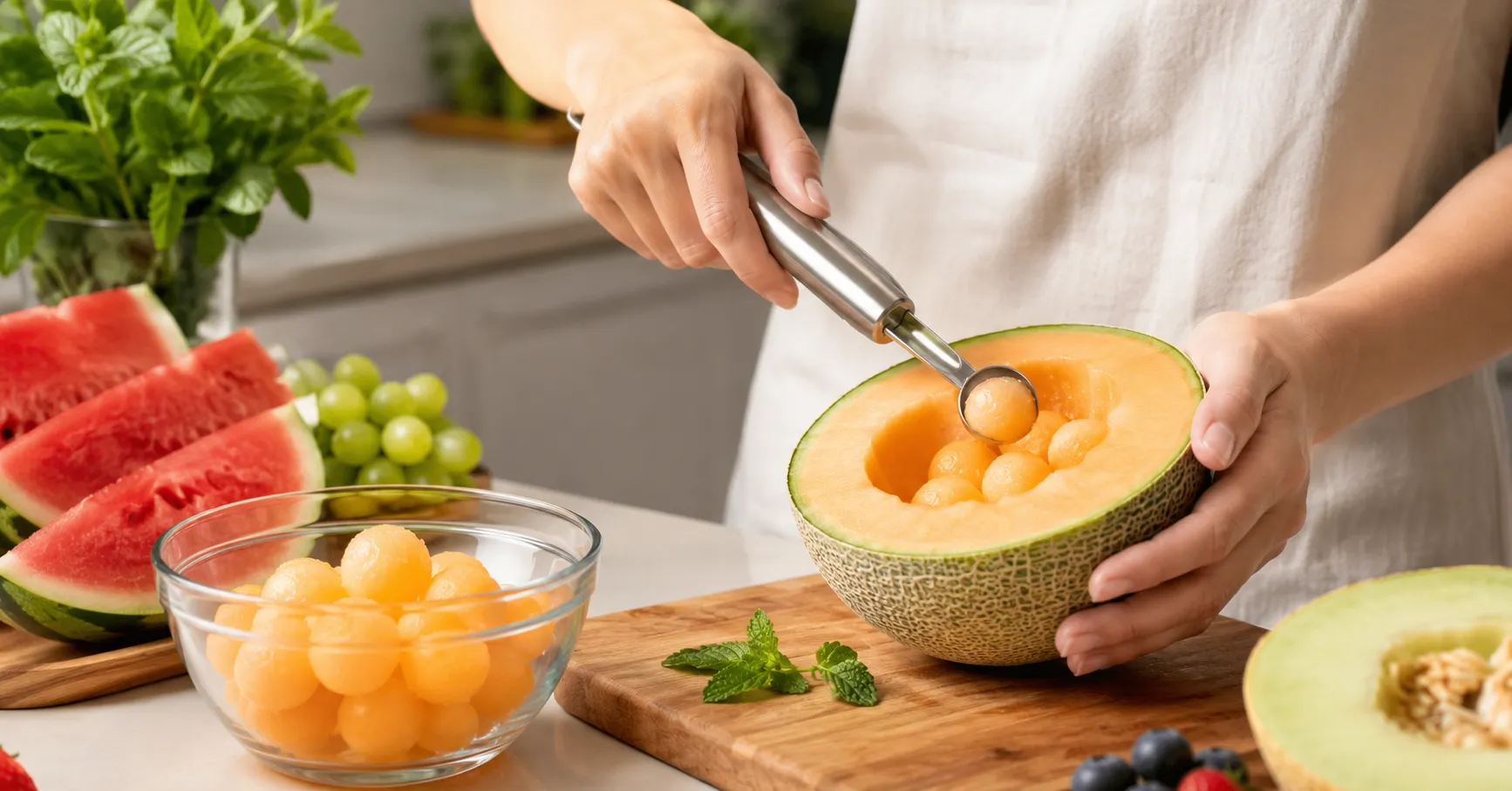
A good melon corer should feel stable in the hand and work smoothly through soft fruit. During sample review, buyers should test the product with melon, cantaloupe, and similar fruits rather than relying only on catalog photos.
- Check whether the coring edge is smooth, consistent, and practical for repeated use.
- Confirm that the handle shape is comfortable during pushing, twisting, and lifting motions.
- Inspect the joint between the coring head and handle for looseness or weak assembly.
- Review whether the structure is easy to rinse and does not trap fruit residue unnecessarily.
- Consider storage features such as a hanging hole if the target customer values compact storage.
- Compare total product weight and size against the intended retail packaging and shipping plan.
For e-commerce buyers, comfort and durability often influence customer reviews. For supermarkets and distributors, clean finishing and neat packaging help the product feel trustworthy at the point of sale.
Material and Packaging Comparison Checklist
The original sourcing brief notes stainless steel coring heads and common handle materials such as PP, ABS, TPR, or silicone. Buyers should still verify the actual material of any quoted model because product specifications can vary by design and supplier.
| Item to Check | Common Option | Buyer Question | Why It Matters |
|---|---|---|---|
| Coring head | Stainless steel | What stainless steel type and finish are used? | Affects cutting performance, appearance, and corrosion resistance expectations. |
| Handle | PP or ABS plastic | Is the handle strong enough for repeated pressure? | Weak handles can lead to complaints or returns. |
| Grip area | TPR or silicone on some designs | Is the grip slip-resistant when hands are wet? | Fruit preparation often involves moisture and repeated handling. |
| Retail packaging | Hanging card, blister card, color box | Which format suits the sales channel? | Packaging affects display, protection, and perceived value. |
| Export carton | Bulk packed cartons | Is carton strength suitable for international shipping? | Good carton planning reduces damage before retail sale. |
OEM and Private Label Sourcing Guidance
OEM customization can help a buyer turn a basic melon corer into a branded fruit preparation tool. Common areas to discuss include logo placement on the handle, custom handle color, printed packaging, instruction cards, barcode labels, and product set combinations. Buyers should not assume every model supports every customization method, so it is best to request drawings, sample photos, or physical samples before final approval.
For new brands, custom packaging may be a practical first step because it can communicate brand identity without changing the tool structure. Established buyers may want exclusive colors or set packaging, but they should ask whether these changes affect MOQ, lead time, tooling, packaging cost, or repeat order flexibility.
Packaging Choices for Retail and E-Commerce
Packaging should protect the tool and explain its use quickly. Hanging card packaging is practical for supermarkets and homeware aisles because it saves shelf space and allows clear display. Blister card packaging can add protection and visibility. Color boxes may suit online sales, giftable sets, or brands that need a stronger shelf presence. Bulk carton packing may be appropriate for distributors or buyers who repack goods locally.
Before confirming packaging, buyers should ask for dielines, artwork requirements, barcode placement rules, carton dimensions, and packing quantity per carton. E-commerce sellers should also consider how the product will survive courier handling after it leaves the warehouse.
Quality Control Before Bulk Shipment
Because melon corers are low-complexity tools, some buyers may be tempted to skip inspection. That can be risky. Small defects, rough edges, weak handles, misprinted labels, or damaged packaging can create problems at scale.
- Inspect stainless steel surfaces for visible defects, stains, or rough finishing.
- Check the coring edge for consistency and safe handling.
- Test handle strength with normal use pressure.
- Confirm that the grip, if included, is properly attached.
- Review packaging print, barcode accuracy, and label placement.
- Check carton sealing and carton strength for export handling.
- Compare finished goods with the approved sample before shipment.
How to Choose the Right Supplier
Choosing a melon corer supplier should involve both product review and business review. Ask whether the supplier can support samples before a bulk order, mixed kitchen gadget shipments, retail-ready packaging, OEM artwork coordination, and repeat replenishment. Also ask how they handle quality issues, packaging revisions, and schedule changes.
Buyers should compare the total sourcing value rather than only the lowest quoted price. A slightly better sample, clearer packaging support, and more reliable communication may reduce downstream costs in customer service, returns, and inventory delays.
Practical FAQ
What is a melon corer used for?
It is used to remove seeds, shape melon pieces, and prepare fruit for serving, salads, desserts, buffets, and party trays.
Is a melon corer suitable for wholesale?
Yes. It is compact, lightweight, easy to display, and suitable for supermarkets, online stores, distributors, and private label kitchenware programs.
Can melon corers be customized?
Many sourcing programs may include logo, handle color, label, or packaging customization. Buyers should confirm available options, MOQ, samples, and artwork requirements with the supplier.
What should buyers test before ordering?
Test sharpness, comfort, handle strength, cleaning convenience, packaging protection, and consistency against the approved sample.
Which packaging is best?
Hanging cards and blister cards are common for retail display, while color boxes may suit e-commerce or branded sets. The best option depends on the sales channel.
Can melon corers be bundled with other tools?
Yes. They can be combined with peelers, slicers, fruit tools, or kitchen gadget sets for seasonal promotions or private label assortments.
Final Sourcing Advice
A melon corer is a practical product for fruit preparation assortments, but bulk sourcing should still be handled carefully. Review samples, confirm materials, choose packaging based on the channel, and ask clear questions about OEM options, MOQ, lead time, and inspection procedures. A dependable supplier should help buyers build a consistent product line that is easy to sell and realistic to reorder.
